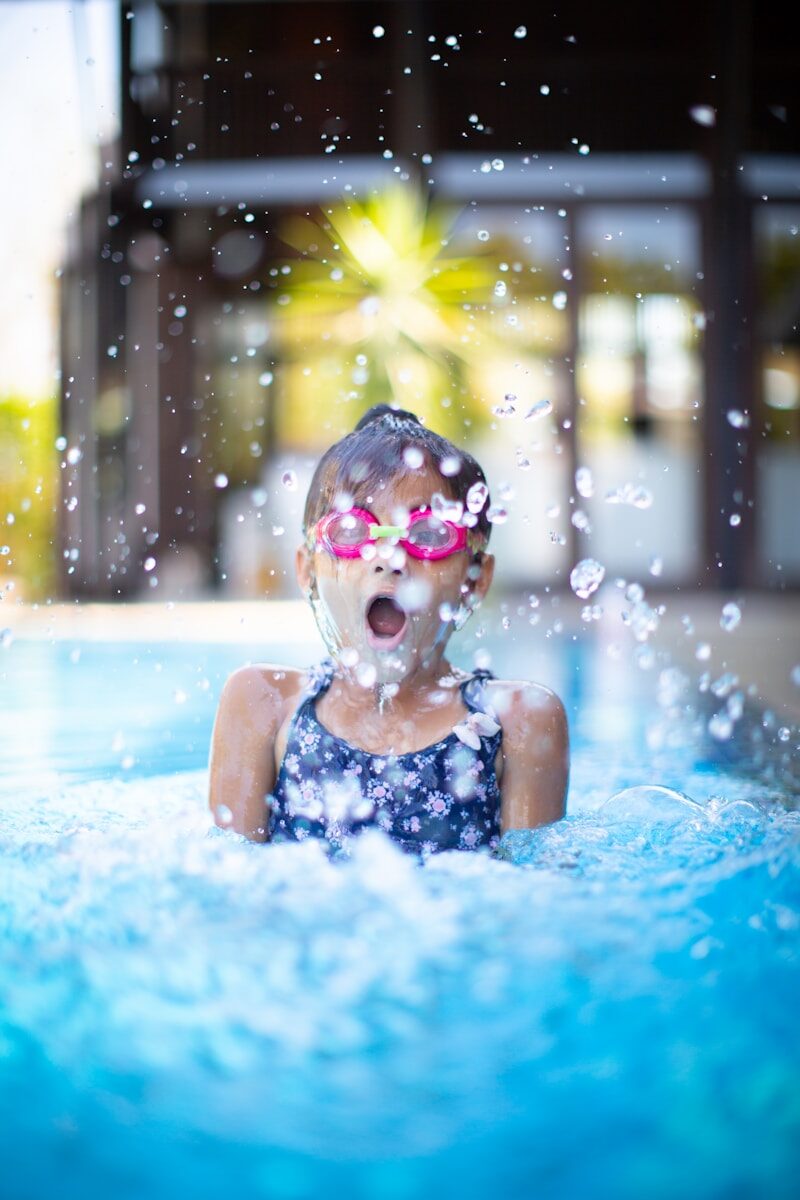
For many Canadian families, swimming has traditionally been associated with summer. School is out, community pools become busier, and weekends often mean heading to a lake, cottage, or beach. But swimming does not have to be a skill that disappears from the calendar when temperatures drop.
More families are beginning to see swimming as something children can continue developing throughout the year. It can be a recreational activity, a form of exercise, and a practical skill that becomes useful whenever children are around water.
Swimming Goes Beyond Summer
Canadian children encounter water in many different settings. Summer might bring lake days and cottage weekends, while the colder months can mean indoor community pools, aquatic centres, hotels, and family vacations.
That makes swimming different from activities that are tied to one season. A child does not suddenly stop needing swimming skills because winter has arrived.
Year-round lessons also give children more opportunities to practice rather than trying to learn everything during a few weeks of summer. Skills can develop gradually as children become more comfortable and confident in the water.
A Skill That Grows With Children
Swimming looks different at different ages.
A young child may first learn to feel comfortable in the water, float, kick, and move with assistance. As children grow, they can develop stronger swimming techniques and become more independent in the water.
This gradual progress is one reason swimming lessons can be useful beyond preparing for a summer vacation. Regular instruction gives children time to build on what they already know instead of starting over each year.
The experience can also teach patience. Some skills take time to master, and children learn that improvement often comes from practice rather than getting everything right immediately.
Canadian Families Have Plenty of Reasons to Stay in the Water
Canada’s connection with lakes and outdoor recreation makes swimming particularly relevant for families.
A summer at the cottage may involve swimming from a dock, spending time at a public beach, canoeing, or simply playing near the water. Family vacations can bring children to hotel pools, water parks, and beaches in other parts of the country or abroad.
These experiences can be more enjoyable when children feel comfortable in the water.
Of course, swimming ability does not remove the need for supervision. Lakes, rivers, oceans, and pools can have very different conditions. Children still need attentive adults, appropriate safety equipment, and clear boundaries around water.
Swimming Can Be Part of a Child’s Active Routine
Another reason to keep swimming on the calendar throughout the year is simple: it gets children moving.
Swimming involves the whole body and can provide a change from more traditional sports. It can also be an appealing option for children who do not enjoy competitive team activities.
For parents, having an indoor swimming option during colder months can make it easier to maintain an active routine when outdoor activities become less practical.
It Can Build Confidence Too
There is also a personal side to learning how to swim.
A child who once felt nervous in the water may eventually float independently or swim across the pool. Reaching that point can be a significant confidence boost.
Children learn to follow instructions, coordinate their movements, and work through challenges. They can see their own progress over time, which can encourage them to approach other new activities with the same mindset.
Making Swimming Part of the Year
Treating swimming as a year-round skill does not mean children need to spend every week in the pool. Families have different schedules, budgets, and interests.
The bigger idea is to avoid thinking of swimming as something that only matters when summer arrives.
A few months of lessons can help a child learn new skills, but continued opportunities to practice can help those skills become more familiar. For families who regularly visit cottages, lakes, beaches, pools, or water parks, that ongoing experience can be especially valuable.
Summer may be the season when Canadian families spend the most time around water, but swimming itself does not need a season. It can be one of those childhood skills that develops gradually, stays useful throughout the year, and continues to grow with the child.
About the Author