
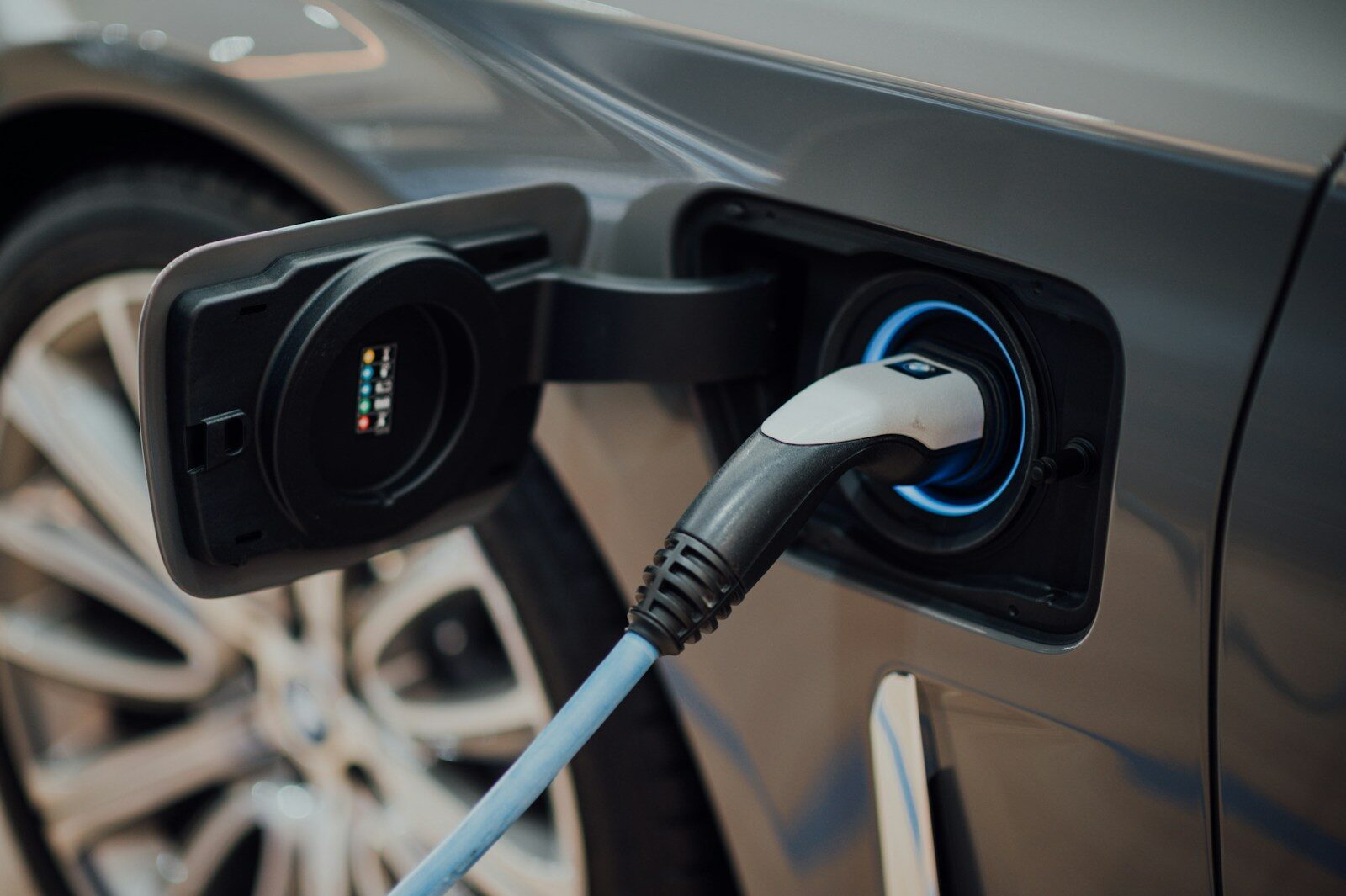
Vehicle history reports have always done their job through the lens of combustion engines, pulling together title transfers, collision records, odometer logs, outstanding liens, and open recalls. For a petrol or diesel vehicle with 80000 km on the clock, that information tells the buyer most of what matters. For a used electric vehicle with the same mileage, it tells roughly half the story and leaves the most expensive component in the car completely unaccounted for.
Somewhere north of 300000 EVs rolled back onto dealer lots across the United States in 2026 after their lease terms ended, roughly triple the 123000 that came back in 2025. Almost every one of them rolled off the line in 2022 or 2023, odometers hovering near 40000 km, and the contracts that put them on the road were so tightly clustered around the same subsidy window that they all came due within months of each other. That flood of returning vehicles did not stay contained to the American market either, with Canada posting 22.3 percent growth in its own EV registrations through the first half of the year and Ottawa’s $2.275 billion incentive program pulling even more buyers toward electrics since February. The volume is there now. The verification infrastructure for these vehicles is not keeping pace.
Nobody buys a used combustion car worrying about the fuel tank shrinking, but the EV equivalent of that problem is real, and it costs between $5000 and $15000 to fix depending on the pack chemistry, and conventional history reports do not even gesture at it. Pull a title chain through a vin decoder, and it comes back clean with total loss flags, lien records, open recall notices, all the things buyers have learned to rely on when spending this kind of money. The battery pack bolted underneath the car, though, could be sitting at 93 percent of its original capacity or dragging along at 78 percent, and the report would read exactly the same either way. Both of those vehicles would produce identical history reports. The ownership cost difference between them over the next five years is substantial.
Fleet operators tracking tens of thousands of EVs through onboard telematics have landed on a ballpark of 1.8 percent capacity loss per year under ordinary conditions, and the data shows most modern packs clearing 200000 km with above 80 percent still intact. That sounds reassuring and mostly is, but averages obscure the variance. Picture the same model and the same mileage at lease end, except one of them baked through three Phoenix summers plugged into DC fast chargers at highway rest stops and the other one spent its nights in a Vancouver garage on a slow Level 2 connection. Those two packs will tell very different stories on a diagnostic scan. How deep the cells were discharged each cycle, how hot they ran, how often they were topped off, nothing in the conventional record picks any of that up. Every new EV sold in the US ships with a federally mandated warranty of 8 years or 160000 km on the battery, and a 2022 model just finishing a three year lease still sits comfortably inside that window. Canada never adopted anything similar at the federal level, which leaves Canadian buyers who pick up American lease returns relying on whatever third party verification they can arrange on their own.
What the combustion era’s verification tools are built to catch, they catch well. Odometer rollbacks, salvage titles moved through jurisdictions with loose disclosure rules, collision damage that was repaired and never reported, a vin checker flags all of it. Those same risks followed EVs onto the used lot, title washing and hidden accident damage are not going anywhere, but they now share space with a type of deterioration that has no engine or transmission parallel. A buyer might see 350 km of estimated range on the dashboard during a mild test drive and then watch it collapse to 220 km the first time the car hits a February highway at speed, and the money sitting between those two numbers is entirely on the buyer once the paperwork is signed.
Through 2026, a more structured layer of battery diagnostics began showing up next to the traditional history report rather than replacing it. Third party services connect through the OBD port or pull data from the manufacturer’s own telemetry systems and hand back a capacity reading that can be measured against how old the car is, how far it has driven, and where it spent most of its life. Some certified pre owned programs have begun requiring these readings before listing an EV, particularly on vehicles returning from lease where the warranty transfer status needs confirming. The uptake is uneven, and the standards are not consistent across manufacturers or markets, but the direction is clear enough. Wholesale EV values at auction climbed 7.9 percent year over year into mid 2026 while supply was surging, and by June retail days supply sat at 38, which is tighter than the broader used market managed. People are buying these cars at a pace that caught most forecasters off guard, and whether they are verifying the one component that actually determines long term ownership cost is anybody’s guess.
According to Cox Automotive, 44 percent of used EVs that changed hands in March 2026 sold below $25000, with more than half the available inventory listed under $30000. At those numbers, a three year old electric vehicle competes directly with five and six year old petrol SUVs carrying 120000 km, which is exactly the segment where buyers tend to skip the extras and just sign. The tools exist now. The habit of using them has not caught up with the pace of the inventory.
About the Author