


Road hazards can develop quickly, even on familiar routes. Poor visibility, damaged pavement, and the actions of nearby drivers may leave little time to react. Learning to identify these risks early helps you create more space, adjust your speed and avoid sudden manoeuvres. It also prepares you to respond calmly if a serious collision occurs.
Recognizing Risky Road Conditions
Scan well beyond the vehicle directly ahead so you can spot trouble before reaching it, which is a key part of cycling safety tips. Common hazards include standing water, loose gravel, potholes, construction zones and ice that blends into the pavement. A shaded bridge may remain slippery after the surrounding road has dried.
Weather can also change stopping distance and visibility. Slow down before entering heavy rain, fog or blowing snow and increase the gap between vehicles. These common driving dangers often become more serious when drivers follow too closely or make abrupt lane changes.
Watch for brake lights several vehicles ahead. They may provide the first warning of stopped traffic, debris or a blocked lane.
Sharing the Road with Commercial Vehicles
Large commercial vehicles need more room to stop, turn and change lanes. Their blind spots may extend along both sides and directly behind the vehicle. If you can’t see the driver in a side mirror, assume the driver can’t see you.
Use these road-sharing safety tips during everyday travel:
- Leave extra space when stopping behind a commercial vehicle
- Pass steadily without lingering beside it
- Avoid cutting closely in front after passing
- Expect wide turns at intersections
- Stay visible and signal early
A collision involving a large vehicle may lead to complex insurance, medical, and liability questions. People who suffer serious injuries can consult experienced truck accident lawyers for help pursuing compensation and accident benefits.
Preventing Collisions: Proactive Driving Tips
Keep your attention on the road and place your phone out of reach before moving. Set your route, music, and climate controls while parked. Even a brief distraction can prevent you from noticing a pedestrian, cyclist or vehicle slowing ahead.
Maintain a following distance of at least three seconds in good conditions. Add more space at night, during poor weather, or when travelling behind a vehicle that blocks your view. Check mirrors regularly and look over your shoulder before changing lanes.
Your vehicle also needs routine care. Confirm that the lights work, keep windows clean, and check tire pressure when the tires are cold. Worn tires and damaged wiper blades can turn manageable weather into a serious hazard.
What to Do After a Serious Incident
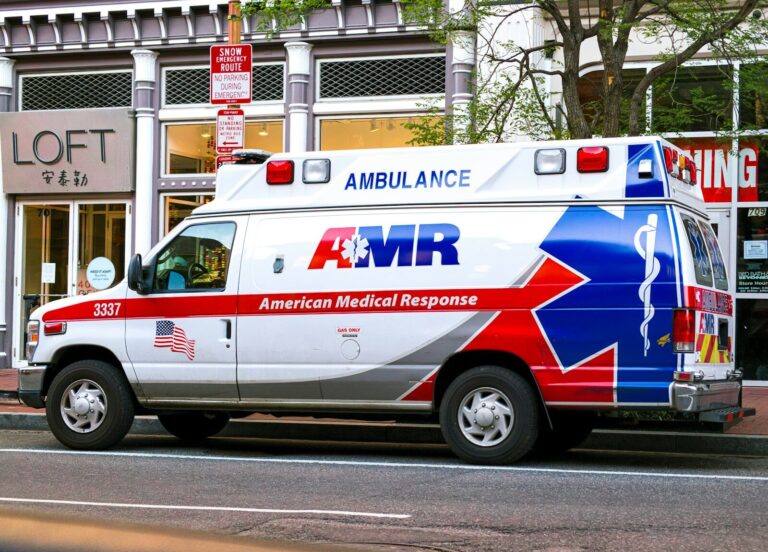
Stop in a safe location if possible and call emergency services when anyone may be injured, or traffic remains at risk. Don’t move an injured person unless there’s an immediate danger, such as smoke or moving traffic.
Once the scene is stable, record useful details:
- Photograph vehicle positions, road conditions and visible damage
- Collect contact and insurance information
- Note nearby businesses, traffic cameras and potential witnesses
- Write down the time, location and weather
- Keep damaged personal items that may support what happened
Seek medical care promptly, even if symptoms seem mild. Pain, dizziness or confusion may appear hours later. Avoid speculating about fault at the scene and keep copies of medical records, repair estimates and related correspondence.
Seeking Support When You Need It Most
Recovery can involve more than medical appointments. Serious incidents may affect mobility, income, sleep and confidence behind the wheel. Ask your health-care provider about rehabilitation, counselling or other services suited to your symptoms. Family members may also help with transportation, meals and appointment tracking.
Keep a simple daily record of pain levels, missed work and activities you can no longer complete. This creates a clearer timeline for health professionals and insurers. Review deadlines before signing forms or accepting a settlement, since rules vary by location and policy.
On the road, a few extra seconds of observation can prevent a dangerous situation. After an incident, clear records and timely professional support can protect both your recovery and your ability to address the resulting costs.
About the Author