

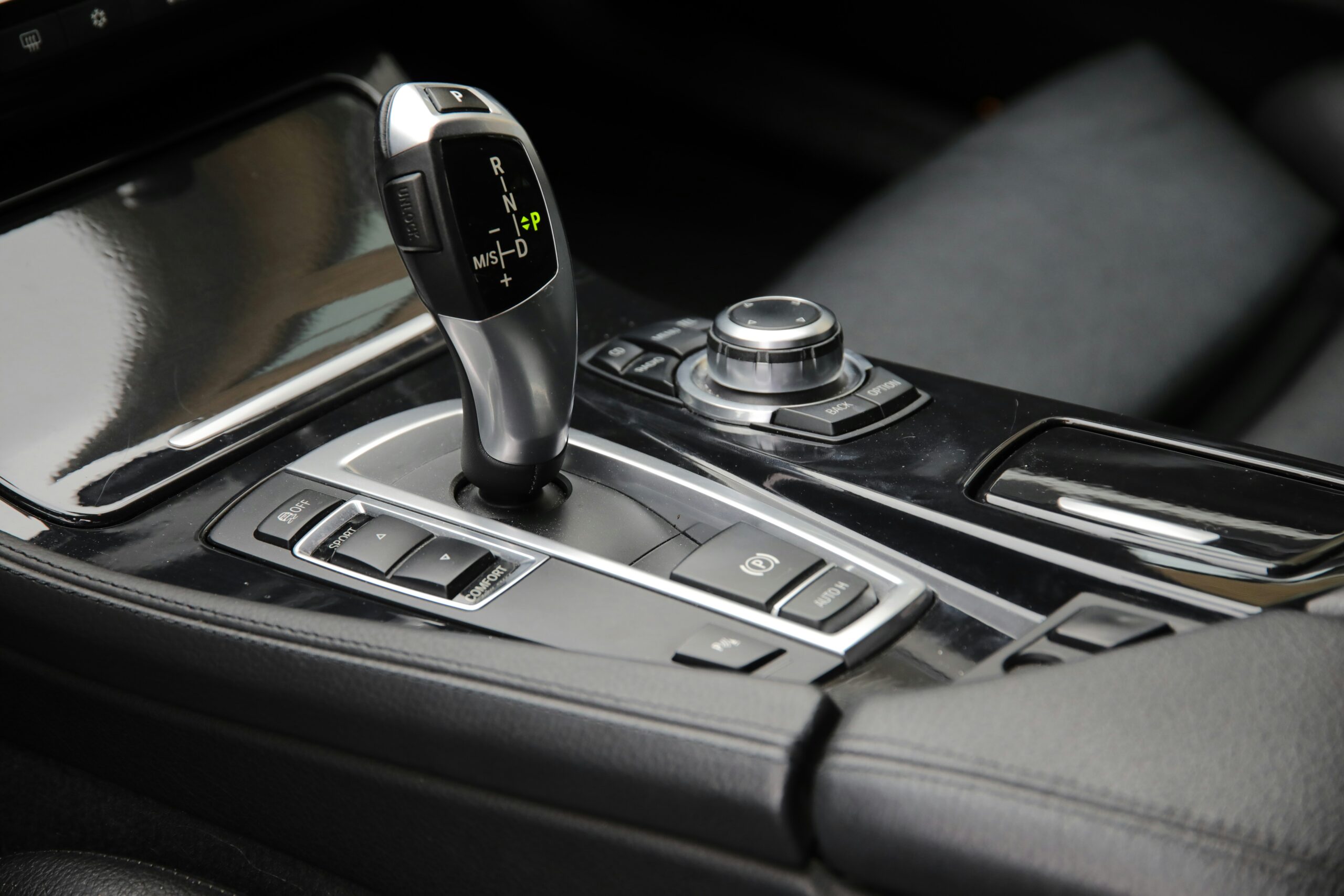
For a driver browsing newer cars, the absence of a clutch pedal increasingly requires little explanation. Automatic operation has become an ordinary expectation across many vehicle types, while a manual gearbox may require a more deliberate search.
The pattern is not identical everywhere. Market history, vehicle prices, driving conditions and the mix of new and used cars all influence transmission choices, making a single claim about worldwide sales difficult to support.
Nor does automatic describe one mechanical design. Conventional torque-converter transmissions, dual-clutch systems, continuously variable units and electrified drivetrains can all remove the need for manual gear changes while operating in quite different ways.
Understanding the shift therefore requires looking beyond the gear selector. Convenience matters, but so do improvements in control systems, the changing vehicles manufacturers offer and the growing role of electrification.
Convenience and accessibility shape buyer preferences
Automatic driving reduces one recurring task, selecting and engaging gears as speed changes. In congested traffic, that can make a car easier to manage, while some drivers also value the accessibility benefits of avoiding a clutch pedal.
Convenience alone does not explain the full change. Modern transmissions are integrated with electronic engine control, allowing the vehicle to manage gear selection and power delivery according to operating conditions.
The American EPA automotive data tracks changes in new-vehicle technology, including transmissions. It provides evidence for the US market, rather than a complete measure of global transmission sales or a forecast for every country.
Modern transmissions come in several forms
The broader technical development is clear, automatic systems are no longer defined by the limited gear choices and control strategies associated with much older designs. Their performance must be assessed in the context of the specific vehicle.
That is why familiar assumptions about fuel use can be outdated. A manual is not automatically more economical, and an automatic is not automatically less efficient, because gearing, controls, engine characteristics and driving conditions all affect the result.
Different automatic designs also produce different sensations. A driver may notice stepped changes, a relatively continuous engine speed or the behaviour of a clutch-based system at low speed, making a proper test drive more useful than a generic label.
Manufacturers’ choices influence what buyers can select. If a preferred engine, trim or vehicle type is offered only with automatic operation, the decision is partly shaped by the available product range rather than a direct comparison between equivalent versions.
Electrification is changing the transmission landscape
Electrification adds another force. Many battery-electric cars use a single-speed reduction arrangement instead of a conventional multi-speed gearbox, so they offer automatic driving without fitting neatly into older comparisons between manuals and torque-converter automatics.
The International Energy Agency documents the expanding electric-car industry. That growth changes the mix of vehicles available, although electric-car production figures should not be presented as a direct count of conventional automatic transmissions.
Hybrid systems further complicate the categories. Their control arrangements can combine engine and electric power in ways that differ from a traditional gearbox, even though the driver simply selects a direction and presses the accelerator.
The result is a market in which the driving experience may look more uniform from the cabin while the engineering underneath becomes more varied. That distinction matters when the car later needs maintenance or repair.
Identify the system before buying or servicing
The first ownership question is which transmission the vehicle actually has. A model badge and the word automatic may be insufficient, because different engines, years or markets can use different units with different service requirements.
The manufacturer’s instructions should guide maintenance. Fluid specification, procedure and interval are not universal, and advice based on one gearbox should not be transferred to another simply because both change gears automatically.
Service history becomes especially useful when buying used. Evidence of the required work is more informative than a broad assurance that the transmission has never caused trouble, particularly if the car has covered substantial mileage.
Test-drive behaviour also deserves attention. Delayed engagement, unusual vibration or changes in response should be assessed by someone familiar with the system, without assuming that every unfamiliar characteristic indicates a failure.
The opposite assumption can be equally costly. A seller’s explanation that a symptom is normal should be checked when it conflicts with the vehicle’s expected operation or appears only under certain conditions.
Diagnosis and repair costs depend on the specific vehicle
Repair costs depend on diagnosis as well as design. A problem associated with shifting can involve controls, wiring or other systems, so replacing a major assembly without establishing the cause can be an expensive mistake.
The engine and transmission are separate systems, and problems with either can affect how a vehicle runs. Use the Ovoko used engine finder to look for an engine, but budget for engine and transmission repairs separately.
That distinction is useful when comparing quotations. A description of poor acceleration or uneven response should lead to testing that identifies the source, not an automatic assumption that the gearbox is responsible.
Owners considering a replacement unit need to check its identification and included equipment. Similar-looking assemblies may require different controls, connections or installation procedures, making professional confirmation important before purchase.
The parts price does not capture the complete job. Removal, installation, fluids, programming where required and the terms covering repeat labour can materially change the cost of returning the car to dependable use.
Match the transmission to the way the car will be used
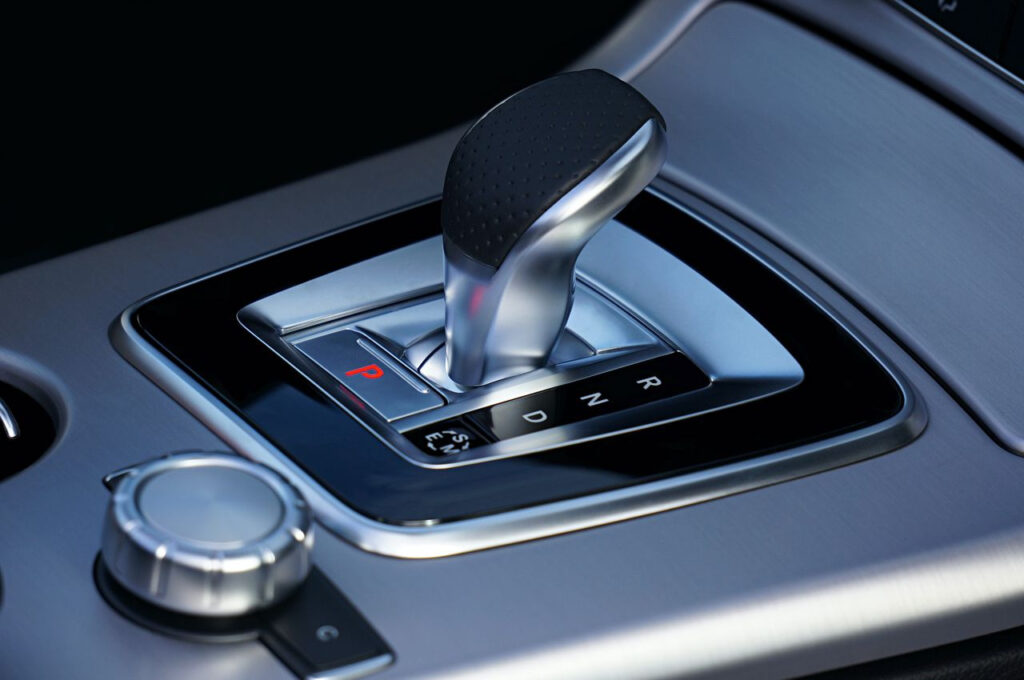
Automatic operation can also affect a driver’s choice of vehicle for particular tasks. Towing, repeated low-speed manoeuvring and other demanding use should be evaluated against the manufacturer’s specifications for the exact model.
Manual cars retain reasons for appeal. Some drivers prefer their involvement, and price or local availability can favour them in certain used markets, so the wider shift does not make every manual an irrational purchase.
Enthusiast demand should not be confused with the mass market either. A transmission valued for engagement in a leisure car may be judged differently by a commuter seeking straightforward transport through heavy traffic.
The sensible comparison therefore begins with the household’s journeys and budget. Comfort, accessibility, efficiency, maintenance history and local repair support all deserve consideration alongside personal preference.
A driver changing from a manual may also need time to become familiar with the controls. Parking modes, hill-hold functions and manual selection options vary, so the handbook remains relevant even when the basic driving process seems simpler.
Familiarisation matters particularly when borrowing or hiring a different car. A similar-looking selector can operate differently, and assumptions based on a previous vehicle are less reliable than checking the actual instructions before setting off.
Long-term trends may continue to narrow manual choice in some markets, but the pace will depend on vehicle supply and the wider transition in powertrains. A precise prediction requires market-specific evidence rather than a universal assumption.
Automatic driving has become familiar because it fits many contemporary cars and daily routines. The best ownership decision still depends on understanding the particular system beneath that convenient experience, including what it needs to remain reliable.
About the Author