
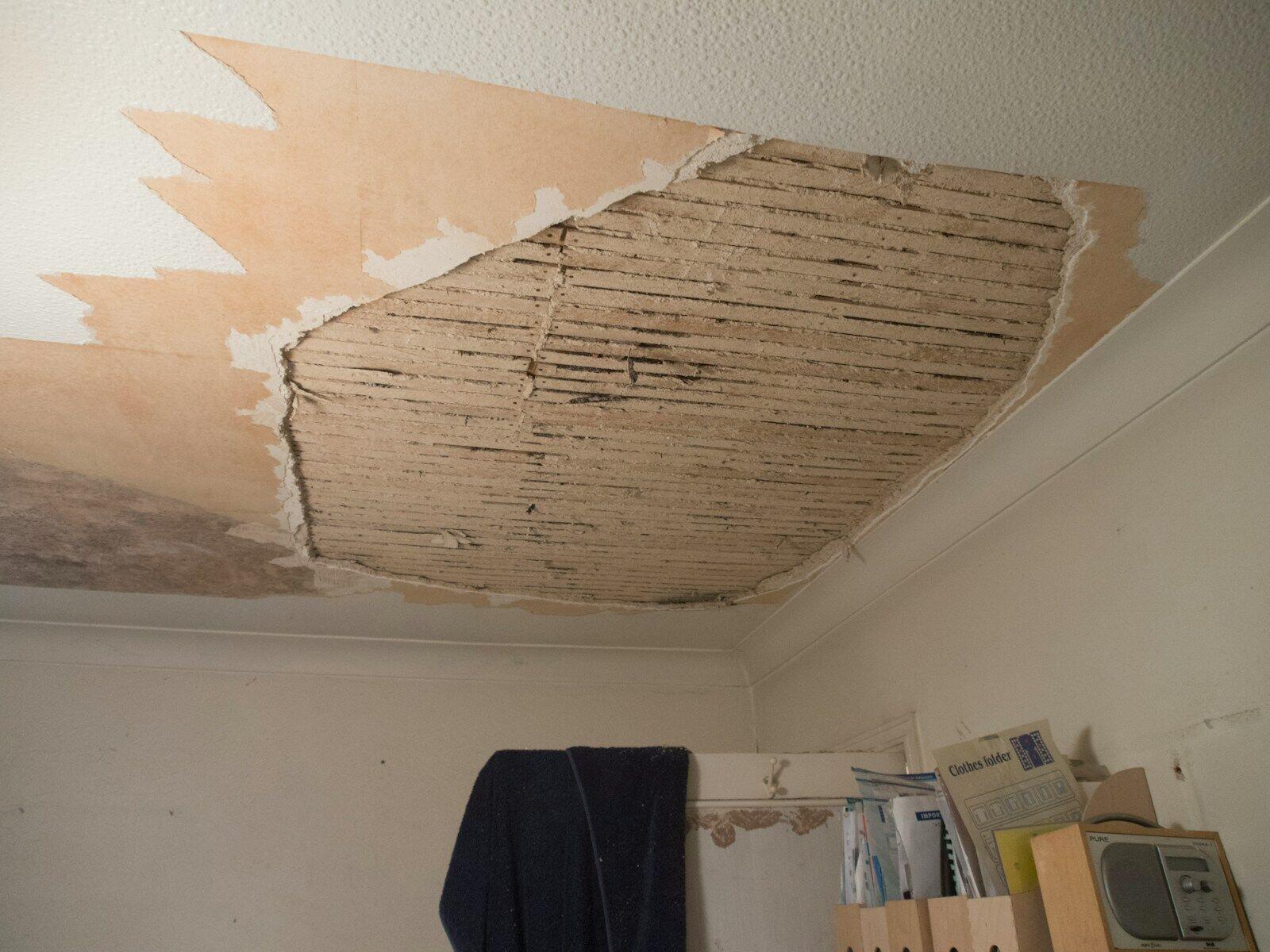
A water stain on the ceiling is easy to ignore until it starts to spread. Maybe it showed up after the last chinook, or right after a summer storm rolled through. Either way, most people’s next move is to call a roofer and hope they find the problem.
That works, but you’ll spend less time and money on guesswork if you know where to look first. Calgary roofs take hail in the summer and constant freeze-thaw cycles in the winter, and each one leaves its own clues. This guide shows you how to find the source yourself, what proper roof leak repair in Calgary involves and how to keep the next leak from starting.
Why Ceiling Stains Are Rarely the Source of the Leak
Water rarely drops straight down through a roof. It can run down the roof decking and rafters before it drips onto the ceiling below, so the spot where it finally shows up can be several feet from where it got in.
Water also looks for the lowest point it can find. It often pools in light fixtures, since they’re usually the lowest points on a ceiling. That’s why a stain around your hallway light can start at a vent pipe halfway up the roof.
For Calgary homes, some stains don’t even come from the roof. Frost builds up in attics during long cold snaps and melts during chinooks, and it can look exactly like a leak. You’ll learn how to rule that out below. First, though, it helps to know where water usually gets in.
The Most Common Sources of Roof Leaks
A roof stays watertight as long as it’s one continuous surface. Every point where the roof plane meets a wall, chimney, vent, or another roof plane creates a potential entry point for water.
Plumbing Vents, Exhaust Fans and Other Roof Penetrations
Every pipe that pokes through your roof is sealed with a boot, usually a metal base with a rubber collar that hugs the pipe. That rubber collar is often the first part of the roof to fail. Sun and cold dry the rubber out until it cracks, allowing water to run down the pipe into your attic.
Bathroom exhaust vents cause a different kind of trouble. If the fan’s duct comes loose from the roof vent, every shower pumps warm, moist air straight into your attic. In winter, that moisture turns into frost and can drip through your ceiling during the next warm spell. It’s one of the main causes of attic rain, which you’ll learn to spot below.
Flashing Around Chimneys, Skylights and Walls
Anywhere your roof runs into something vertical, like a chimney, a skylight or the wall of a second story, there’s a gap that shingles can’t cover alone. Flashing is the sheet metal that seals those gaps.
Around a chimney, flashing comes in two layers. Small L-shaped pieces of metal are tucked between the shingles and bent up against the chimney. A second piece is set into the mortar and folded down over them, so water running down the brick lands on the roof instead of behind it. If either layer pulls loose, water gets in, and the corners are usually the first spot to go.
Skylights work the same way. When a skylight leaks, the glass is rarely the problem. It’s usually the flashing around it.
While you’re looking, watch for caulk where there should be metal. Caulk dries out and pulls away from the roof over time, and once it does, water has a direct path inside.
Hail-Damaged or Missing Shingles
Hail doesn’t have to tear a shingle off to cause a leak. More often, it bruises the asphalt underneath, knocks off the protective granules and leaves tiny cracks you can’t see from the ground. Your roof can look fine after a storm and still be damaged.
The damage also takes its time to show. A bruised shingle can keep working for months before it finally cracks and lets water through. So if your roof starts leaking in spring and your neighborhood got hit with hail last summer, that storm is a likely suspect.
Ice Dams Along the Eaves
Ice dams start inside your house. Warm air leaks into the attic, heats the underside of the roof and melts the snow on top. That water runs down to the eaves, which stay cold, and freezes into a ridge of ice along the edge.
In most cities, that happens once, when spring arrives. In Calgary, it can happen every time a chinook rolls through. The snow melts, the temperature drops again, and the ice at the edge gets a little bigger.
Once the dam is big enough, meltwater backs up behind it and seeps under the shingles near the roof’s edge. That’s why ice dam leaks usually show up close to your exterior walls, around the tops of windows or in the corners of rooms.
5 Ways to Find Where Your Calgary Roof Is Leaking
These methods start with the cheapest and safest, and work their way to calling a professional roofer. Most leaks turn up within the first two or three.
Rule Out Attic Rain and Condensation
Before you blame the roof, think about the last few days. Calgary gets attic rain, which usually shows up when a deep freeze suddenly breaks. Moisture from showers and cooking drifts into the attic, freezes onto the roof deck and nails, then melts all at once when a chinook arrives.
How do you know it’s attic rain and not a leak? Look for these signs:
- The water appears during a warm spell after a cold snap, with no rain or heavy melt.
- Your windows have condensation on them.
- You see several small wet spots instead of one stain.
- Water drips from light fixtures or bathroom fans.
In the attic, a thin layer of frost on the nail tips is normal. Frost several inches thick marks where warm air is leaking in. To cut the moisture, turn your humidifier down or off during extreme cold and run your bathroom fan for an hour after showers.
Follow the Water Trail in the Attic
If attic rain doesn’t fit, head into the attic with a strong flashlight, stepping only on the joists. Start above the stain and look for discolored wood or a water trail on the decking and rafters.
Go during or right after rain if you can, since wet wood shines under the light. Follow the trail uphill to its highest point, then measure its distance from a gable wall or vent pipe so you can find it from outside.
Check the Roof From the Outside
Start above the spot you measured in the attic, then work outward to the vent boots, flashing and shingles described earlier.
From the ground, look for dings or dents in roof vents, variations in shingle color that look like bruising, indentations in shingles, and missing, loose or cracked shingles.
Then check your downspouts. Granules knocked loose by hail usually wash into the gutters or collect at downspout outlets, which is one of the first signs of hail damage.
Run a Hose Test
If the weather’s been dry, a garden hose can recreate the storm. You’ll need one person on the roof and one in the attic, so only try this on a warm, dry day and a roof you can stand on safely.
Start low, just above where the leak shows inside, and soak one small section at a time for several minutes before moving up. Keep the water running down the roof the way rain does. Spraying up under the shingles can create a leak that wouldn’t happen in a real storm.
Book a Professional Roof Inspection in Calgary
If none of these methods turn up the source, or your roof is steep or you don’t have attic access, it’s time to call a roofer. Calgary companies like Advanced Level Roofing can walk the roof, lift shingles and check the flashing up close. They’ll tell you whether the water is coming from an actual leak or from a ventilation problem in the attic, so you don’t pay for a roof repair that won’t fix anything.
What Good Roof Leak Repairs Look Like: Steps to Take
Once you know where the water is getting in, the repair follows a set order. Skip a step and you can end up with a dry roof and a moldy ceiling, or a patched ceiling that stains again.
Contain the Water Inside
Start by protecting the room. Put a bucket under the drip, move furniture out of the way and lay down towels or a tarp. Turn off the electricity to the area if the water is near light fixtures, outlets or wiring.
If the ceiling is bulging, don’t wait for it to burst. Use a screwdriver to poke a hole in the center of the sagging spot, with a bucket ready to catch the water. It feels wrong, but you’ll need to repair that section of ceiling anyway, so don’t worry about the hole you make.
Document the Damage for Your Insurer
Take photos and video of the stain, the attic, any wet insulation and the roof from the ground, and keep receipts for anything you buy to deal with the leak.
Then call your insurance broker, since coverage depends on the cause. Sudden interior damage is often covered, but claims are commonly denied when the leak was gradual or caused by poor maintenance or ventilation.
Repair the Source of the Leak
This is where finding the source pays off. Each cause needs a different fix, and patching the wrong spot just means you’ll be back in the attic after the next storm:
- Split vent boot: The roofer replaces the boot or fits a cover over it. One option is a two-piece boot and sleeve that slips over the existing vent pipe and boot.
- Failed flashing: The roofer replaces or refits the metal. Fresh caulk over old flashing only buys a little time.
- Hail-damaged shingles: The roofer replaces the damaged shingles, or the whole roof if the damage is widespread. This is often part of an insurance claim.
- Ice dams: The roofer stops the heat loss that melts the snow in the first place. If you’re replacing the roof, installing a continuous ice-and-water shield over the entire roof surface is best for Calgary homes.
- Attic rain: This one isn’t a roofing fix. It means sealing air leaks into the attic and making sure exhaust fans vent outside.
Before the roofer leaves, ask for photos of the problem and the finished repair. That gives you a record if the leak comes back.
Dry Out and Repair the Interior
Once the roof is sealed, focus on drying things out. Dry water-damaged areas and items within 24 to 48 hours to prevent mold growth. Also, pull back wet insulation, run fans and a dehumidifier, and leave the attic hatch open if you can do it safely.
Don’t rush the paint. Ceilings with minor discoloration may only need repainting, as long as all the moisture, mold and mildew have been removed. Use a stain-blocking primer first, or the brown ring will bleed through the new paint.
How to Prevent Roof Leaks in a Calgary Home
Most roof leaks start small and build up over time. A few simple habits help you catch them early.
Keep the Attic Cold and Dry
A cold attic prevents both ice dams and attic rain. Once a year, check for gaps around pipes, wires, lights and fans, and look for thin spots in the insulation. Make sure each bathroom fan vents outside, since building codes require it.
Clear Gutters and Downspouts Before Winter
Clogged gutters hold water right at the edge of your roof, which is exactly where ice dams form. They can also overflow and send water into your house. Clean them out in late fall, once the leaves have dropped, and make sure each downspout carries water away from your foundation.
Schedule Inspections After Hailstorms and Before Winter
Hail damage is easy to miss and slow to show up. Book an inspection after any hailstorm that hits your neighborhood, even if your roof looks fine from the ground.
Plan a fall checkup too. September or early October works well, since it gives you time to fix any summer storm damage before the snow and freeze-thaw cycles start.
After a hailstorm, check your insurance policy for a deadline on reporting damage. An inspection report dated soon after the storm makes a claim easier to support.
Replace Worn Vent Boots and Sealant
The rubber boots around your plumbing vents usually last about ten years, and some fail sooner. Your shingles will likely outlast them, so expect the boots to give out partway through your roof’s life.
Ask your roofer to check every vent boot and caulked joint during each inspection. When it’s time to replace your roof, ask about longer-lasting boots so the same leak doesn’t come back a few years later.
About the Author