

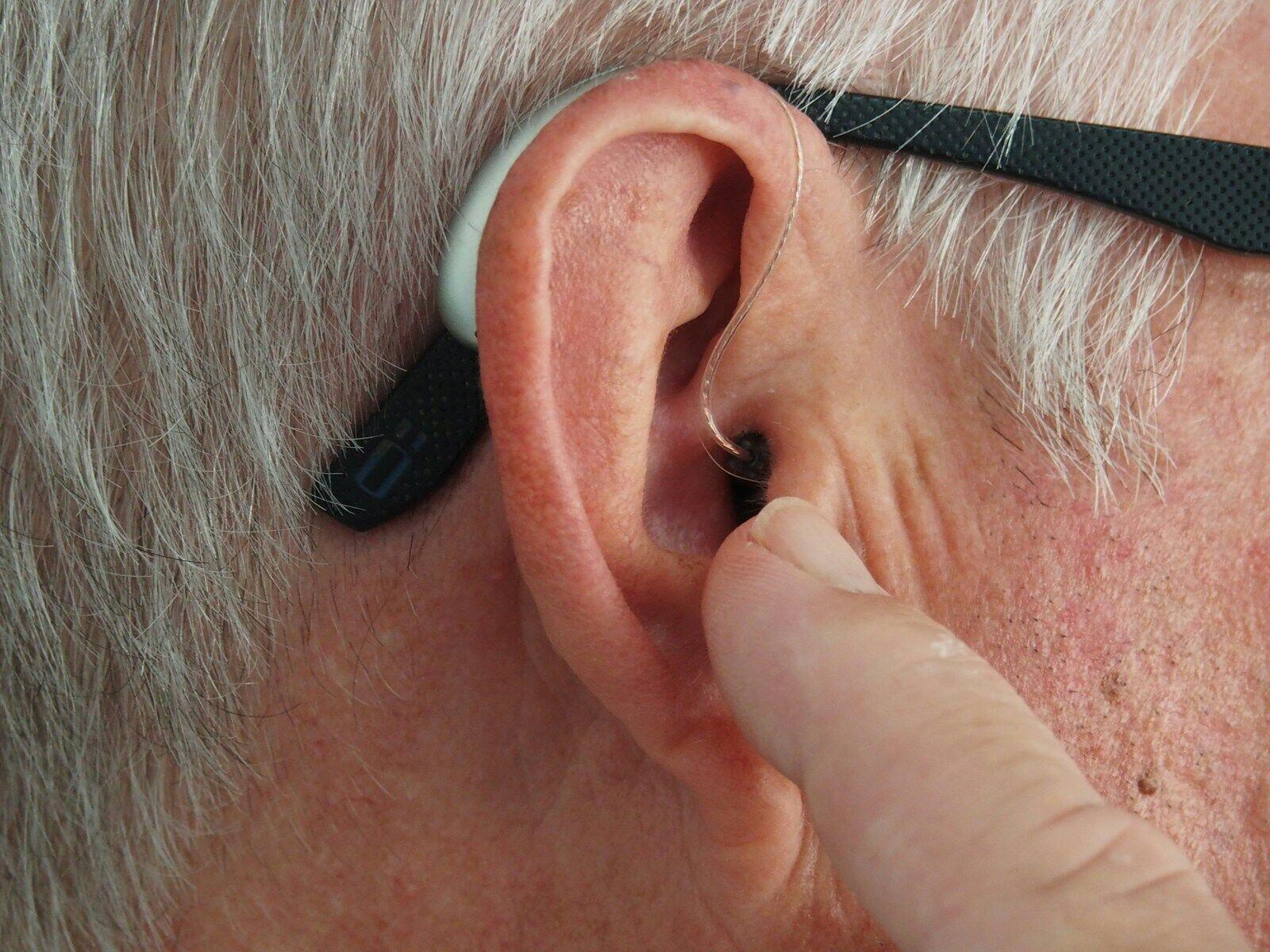
Pain in the ear is a very common issue, ranging from minor issues like allergies and pressure differences, to infections and even trauma. Although most of the ear pain gets better without treatment, some are due to serious medical issues that require help. It is vital to learn how to identify the signs to help make decisions on the severity, whether a watch and wait, call, or go to the ER. The protection of ear function and avoiding more pain is determined by identifying how serious the pain is, how long it has been going, and whether there are associated symptoms.
Signs To Look Out For That Call For Medical Care
Severe ear pain and its prolonged duration are probably the reasons you’re considering going to see a doctor. Ear pain that lasts more than three days is almost definitely due to some form of ear infection or more. Other pain killers won’t help either, as ear infections can happen to any ear part. Usually the pain comes from infection or blockage and can even come with a buildup of fluid. Go see a doctor and they can take a look inside with the use of an otoscope to figure out what’s causing your ear pain.
As ear infections get worse they can lead to ear pain with fluid coming out. If ear pain has fluid or even pus coming out then ear infection or even ear trauma is probably present. A doctor can prescribe the medication needed for treatment of ear infection or trauma or determine if you need Toronto hearing aids. If ear pain worsens along with the symptoms above, you definitely should see a doctor for medical attention as an infection that goes untreated can result in permanent complications.
Symptoms Requiring Urgent Medical Attention
More concerning symptoms warrant more immediate attention because they could be a sign of a serious infection or trauma. Sudden hearing loss, debilitating dizziness, ear pain accompanied by facial drooping or severe headache are examples. These issues often relate to disorders in the inner ear or the surrounding structures. Ear pain accompanied by sudden hearing loss should be seen immediately. Ear pain with dizziness can be debilitating, so medical care should be sought as soon as possible. Ear pain accompanied by severe headache, ear drooping or numbness should also be addressed quickly. Ear pain accompanied by other symptoms that come on suddenly such as facial drooping should also be treated as an emergency.
Symptoms involving severe swelling or pain behind the ear can be mastoiditis, a rare and serious complication of a middle ear infection. These symptoms may occur in conjunction with a high fever or an ear that protrudes. Other reasons to go to the emergency room are severe ear pain with headache, stiff neck, and changes in mental status (such as confusion, unusual sleepiness). Fluid coming from an ear (blood or clear fluid) after a head trauma is another emergency.
Assessment Of Ear Pain In Children
Ear infections often cause discomfort that children cannot articulate, resulting in a sudden change in behavior. This includes constant ear pulling, increased irritability, difficulty sleeping, reduced appetite, and increased crying. Ear infections are suspected in infants and toddlers when these behaviors occur in conjunction with other symptoms, such as fever. Infants younger than 3 months with a fever greater than 38°C should be assessed as soon as possible, as should older children with signs and symptoms that persist or have multiple ear infections. Ear discharge, and ear discomfort and hearing impairment warrant assessment or a central auditory processing disorder test by a healthcare professional.
Other Causes of Ear Pain
Sometimes ear pain can originate from sources other than ear infections. Some people may have ear pain related to dental issues, joint disorders, sinus infection or throat infection. For example, ear pain can result from severe dental pain related to an abscess or cavity. Discomfort and pain around the ear can be the result of a joint problem related to the mouth (or jaw), for example temporomandibular joint (TMJ) disorders, which may present as discomfort or pain around the ear on chewing or jaw opening. Even when ear pain cannot be clearly related to any infection, it should be investigated, especially if the pain is continuous.
Caution should be applied when evaluating ear pain in patients with compromised immune systems and/or diabetes. Ear infections can progress much quicker in these individuals, and there can be early need for medical intervention.
In Conclusion
An ear pain symptom, whether continuous, escalating, or severe, or whether combined with any other warning symptoms, should be paid closer attention. Mild ear discomfort can often resolve without intervention. Continuous, escalating pain and hearing loss demand a visit to a doctor. If ear pain is severe, especially after a head injury, ear pain must be urgently treated. This is the only way to avoid the complications of ear pain.
About the Author