
photo provided
For most households the plan is to stay. The question is what to change, and in what order, so that staying remains realistic.
Start with the cheap things
The measures that prevent the most falls are the least interesting ones. Light at both ends of every staircase, with a switch top and bottom. A handrail on the open side as well as the wall side. No loose rug on a hard floor. No raised threshold between rooms. Lever handles instead of round knobs, which matter more than people expect for anyone with arthritis.
None of that needs a contractor for more than a day, and it should be done before any money goes into anything larger.
Then the bathroom, then the stairs
The bathroom is where the real spending goes: a shower without a lip to step over, somewhere to sit, a mixer that cannot scald, and blocking in the walls for grab bars whether they are needed yet or not.
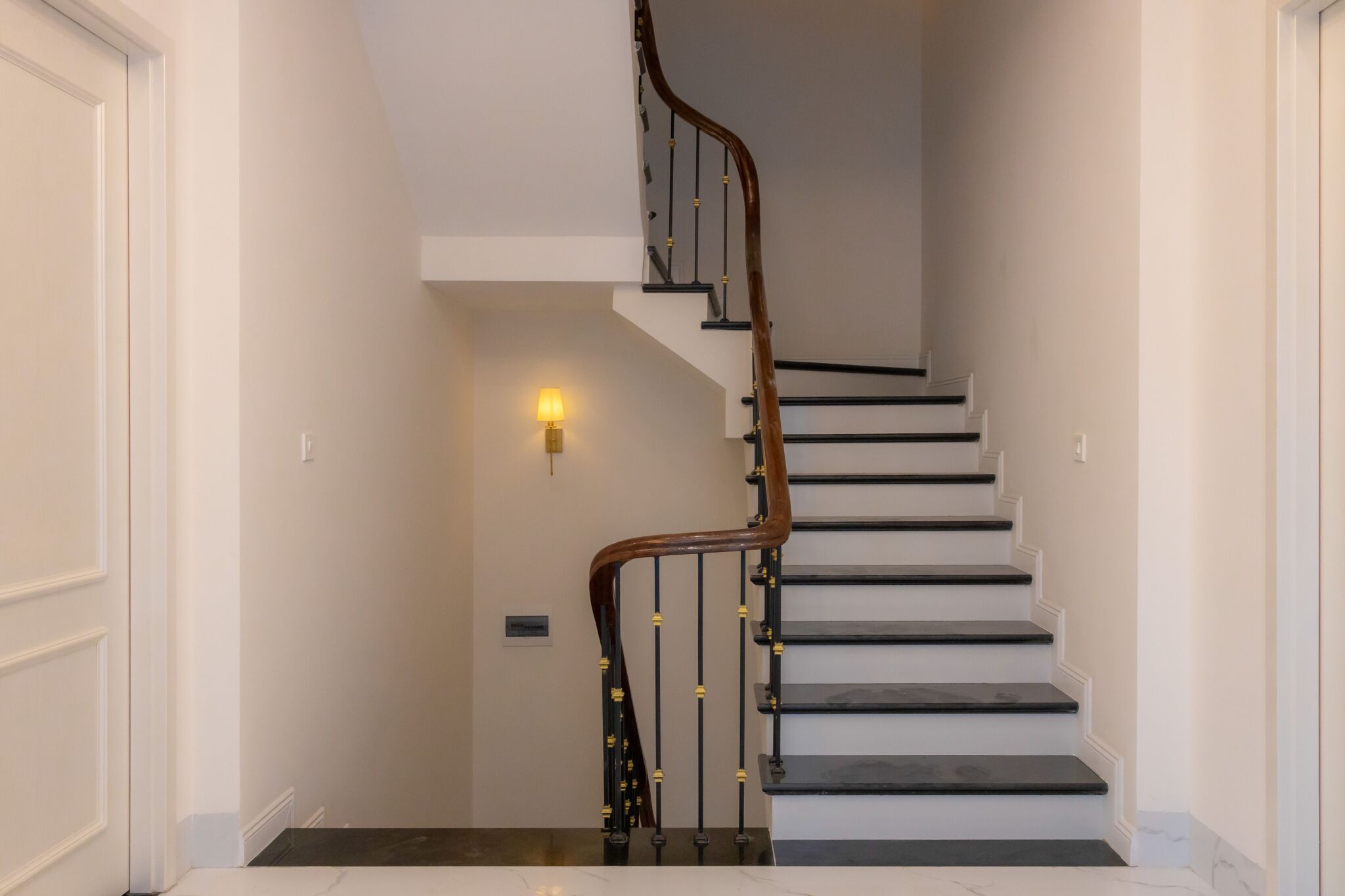
The staircase comes last in planning and first in urgency, which is why it so often gets decided badly. A straight flight takes a rail cut to length and can be fitted in a few days. A staircase with a turn, a landing or wedge-shaped treads at the corner, which describes most older houses in this part of the county, needs a rail manufactured to that staircase. That means a survey, then weeks of production. Suppliers covering Ontario, including Summit Stairlifts, will not quote properly without measuring, and a figure offered before a survey is not a figure.
The rural part of the problem
Distance changes the calculation here in a way it does not in a city. Home care that arrives for an hour is harder to arrange the further out you live, and the drive to an appointment in Cornwall or Ottawa is part of the decision. So is winter: a lane that needs clearing, steps that ice over, four months where the only exercise anyone gets is the staircase.
All of which argues for doing the work early rather than at the point where it has become the response to something that already happened.
It is worth knowing how little the installation disturbs. The chair folds away against the rail, leaving the flight clear for everyone else, and nothing about the house has to be rebuilt around it.
Before you sign anything
- Have the staircase measured, and get the type of rail named in writing.
- Ask how fast a technician attends a breakdown, in February, out in the townships.
- Ask what the warranty covers and what removal costs later.
- Keep invoices itemised in terms of access and mobility, because that is what the accessibility tax credits are claimed on.
A house that works for another fifteen years keeps someone on the street they have lived on for forty. In a community this size, that is not a small thing.
About the Author