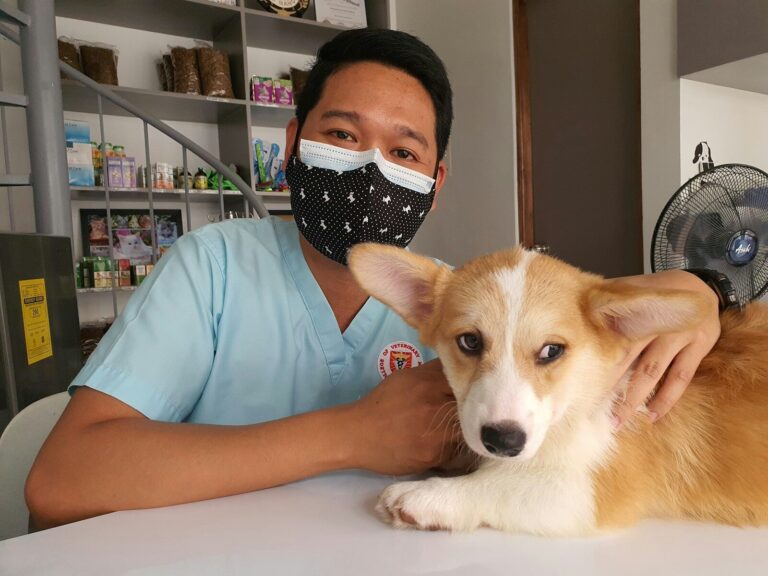
The local vet clinic used to be a place for yearly shots and the occasional mystery limp. It was simple. Now, walking into a modern facility feels more like entering a high-end human hospital. We see MRI machines: oncology wings: specialized cardiac units. It is incredible for the animals, truly. But this level of care comes with a price tag that is catching many off guard. Families are finding themselves in a spot where their love for a pet is clashing with the reality of their bank accounts.
Prices for veterinary services have been climbing faster than general inflation for several years. By 2026, the cumulative increase has hit a point where a single complex diagnosis can cost as much as a used car. It is a strange situation. We have the technology to save pets from things that were death sentences a decade ago, yet the cost of that technology is creating a new kind of barrier.
Why the Bills Are Getting Heavier
It is not just about vets wanting to make more money. The overhead is massive. Running a specialized practice requires equipment that costs hundreds of thousands of dollars. Then there is the staff. Finding and keeping specialized technicians and surgeons is getting harder and more expensive.
- Advanced Diagnostics: Tools like CT scans and digital pathology are now standard for many cases.
- Specialized Labor: A board-certified surgeon or cardiologist commands a high salary, which reflects their years of extra training.
- Pharmaceutical Costs: The medications used in specialty care are often the same ones used in human medicine, and they are not getting any cheaper.
These factors create a trickle-down effect. When a clinic has to pay more for its lease, its electricity, and its life-saving drugs, those costs end up on the invoice. It is an cycle that feels hard to break.
Practical Ways to Handle the Expense
If you are facing a massive bill for a sick animal, the panic is real. But there are ways to manage it without feeling like you are drowning.
One of the most effective strategies is looking into pet insurance early. The market for this has exploded recently. If you get a policy while your pet is young and healthy, it covers those terrifying five-figure bills later on. For those already in the middle of a crisis, payment plans are becoming the new normal. Many clinics are moving away from the old “pay in full at the door” model because they know it is not sustainable for the average family.
Flexibility in how we handle the money side of things is actually what keeps the doors open. Clinics are looking for better ways to let people pay over time or through various digital methods. When a practice uses modern animal care payment processing, it changes the whole vibe of the checkout desk. Instead of a stressful “no” because a credit card limit is hit, owners can find options that fit their monthly budget. This kind of tech makes it easier for the clinic to get paid and easier for the owner to say yes to the treatment their pet needs. It removes that immediate financial wall that stops care in its tracks.
The Role of Preventive Care in Saving Money
It sounds counterintuitive to spend money to save money, but with specialized care, it is the only way. A lot of the expensive specialty visits happen because a small issue was missed or ignored.
- Routine Bloodwork: Catching kidney issues early can avoid an emergency hospital stay later.
- Dental Hygiene: Cleaning teeth prevents systemic infections that can hit the heart or liver.
- Weight Management: Keeping a dog lean is the cheapest way to avoid orthopedic surgeries.
Small, regular investments in wellness plans are becoming a popular way to smooth out the spikes in spending. Many local vets now offer a monthly subscription that covers the basics. This helps the clinic with steady cash flow and helps the owner avoid that “sticker shock” during the annual visit.
Community Support and Resources
Sometimes, even with insurance and plans, the gap is too wide. This is where community comes in. Many towns have local “angel funds” or non-profits specifically designed to help with specialized care costs. These are often funded by other pet owners who have been in the same shoes.
Veterinary schools are another often overlooked resource. If you live near a university with a vet program, they often provide specialized services at a lower rate because students are involved in the process under supervision. The care is top-tier, but the price is usually more manageable.
Looking at the Long Term
The landscape of pet ownership is changing. We are treating animals more like family members than ever before, which is beautiful, but it requires a new level of financial planning. It is no longer enough to just budget for kibble and a leash.
The rise in costs is a sign of how far medicine has come. We can do more for our animals than our grandparents ever dreamed of. The challenge now is making sure that this amazing care stays within reach of the people who love them. It takes a mix of better tech at the clinic, smarter insurance choices at home, and a willingness to talk openly about what we can actually afford.
Managing these costs is not about cutting corners on health. It is about being proactive. Whether that is through better payment options at the vet or just keeping a closer eye on your pet’s daily habits, every bit of planning helps. The bond we have with our pets is worth the effort, even if the financial side of it requires a bit more navigation than it used to.
About the Author