


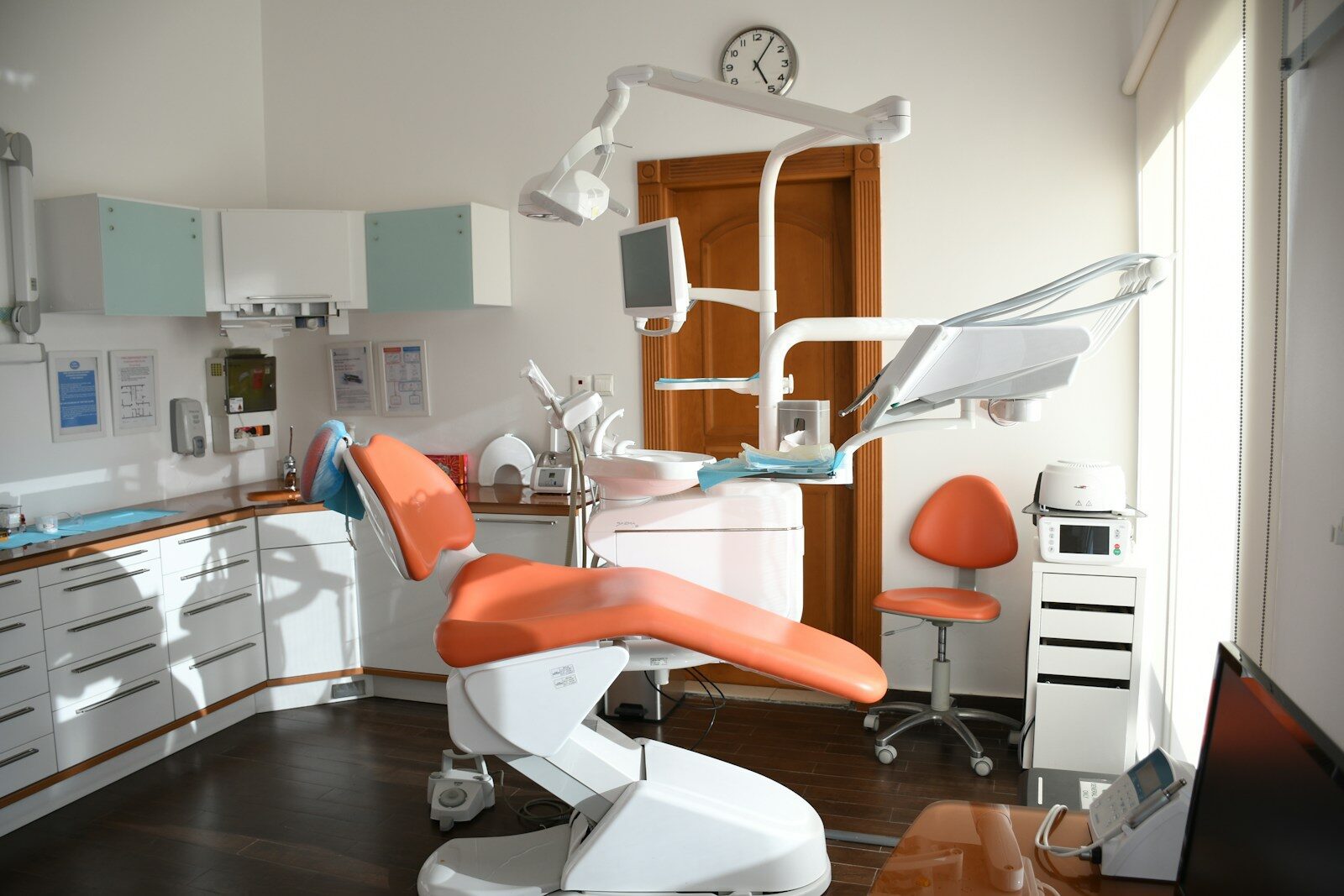
Let’s be honest. Nobody actually likes the “checkout” part of a doctor’s visit. You’ve just spent forty minutes in a sterile room, maybe had a tooth drilled or a consultation that left your head spinning; and then you’re met with a clipboard, a confusing statement, and a receptionist who seems just as frustrated as you are. It’s clunky. It’s awkward. For a long time, clinics just accepted this as the cost of doing business. But things are shifting.
The modern clinic is starting to realize that the clinical side of care and the financial side of care are not two separate islands. They are the same experience. If a patient feels cared for in the chair but feels hunted or confused at the front desk, the whole relationship sours. It’s about more than just collecting a check; it’s about the psychology of the transaction.
The Friction Point That Everyone Ignored
We have seen a massive push toward “patient-centered care” over the last decade. Nicer waiting rooms. Better bedside manner. High-tech diagnostic tools. Yet, the way we pay for these services often feels stuck in 1995. You get a paper bill in the mail three weeks later. You call an office only to be put on hold. You try to pay online, but the portal looks like it was designed by a hacker in a basement.
This friction creates a mental barrier. When the process of paying is difficult, the perceived value of the medical service actually drops. People start to associate the healing process with the headache of administrative hurdles. Clinics are finally waking up to the fact that a frustrated patient is a slow-paying patient. Or worse: a patient who doesn’t come back.
Why the Old Model is Falling Apart
The traditional approach was simple: provide the service, bill the insurance, and hope the patient pays the remainder eventually. That doesn’t work anymore.
- Higher Deductibles: Patients are responsible for a much larger slice of the pie than they used to be.
- Price Sensitivity: People shop for healthcare like they shop for electronics. They want to know the cost upfront.
- Digital Expectations: If I can buy a car on my phone, why do I need a stamp to pay my dentist?
The Psychology of Transparency and Choice
Most people aren’t trying to duck their bills. They just want to know what they owe without the guesswork. Modern practices are moving toward a model of radical transparency. This means having the “money talk” before the procedure, not after. It feels uncomfortable at first; nobody wants to talk about dollars when there’s a medical need; but it actually lowers the patient’s anxiety.
When a clinic offers multiple ways to settle an account, they are handing the power back to the patient. It’s about meeting people where they are. Some patients want to pay in full to get it over with. Others need to break it down into chunks that don’t wreck their monthly budget. By offering variety, the clinic stops being a debt collector and starts being a partner in the patient’s financial health.
Reliable payment systems for dentists and medical specialists are no longer just “nice to have” backend tools. They are the frontline of the patient relationship. If the interface is clunky or the options are limited, it sends a signal that the office isn’t up to speed. A smooth, integrated way to handle transactions ensures that the focus stays on the recovery and the results, rather than the logistics of the credit card swipe. It’s about removing the “sticker shock” and replacing it with a clear, manageable path forward.
The Hidden Cost of Manual Billing
If you look at the back office of an average clinic, it’s often a mess of manual data entry and “chasing” payments. This is a massive drain on resources. Staff members spend hours on the phone or stuffing envelopes. It’s a specialized kind of drudgery that leads to burnout.
When a clinic rethinks the financial journey, they aren’t just doing it for the patient. They are doing it for the sanity of their team. Automating the boring stuff allows the staff to actually talk to the people in the waiting room. It turns the front desk from a toll booth into a hospitality hub.
Breaking Down the Benefits of Modernization
- Faster Cash Flow: Money that sits in “Accounts Receivable” is basically losing value every day. Digital-first systems get the funds into the practice’s bank account in forty-eight hours instead of forty-eight days.
- Reduced Errors: Manual entry is where mistakes happen. A typo in a bill can lead to a months-long dispute with an insurance company.
- Trust Building: When the bill matches the estimate exactly, trust is solidified.
The Shift Toward “Retailized” Healthcare
We have to admit that healthcare is being retailized. Patients view themselves as consumers. They compare the ease of their dental office to the ease of their favorite coffee app or clothing site. It sounds cold to talk about patients as consumers, but ignoring this reality is a mistake.
A modern clinic treats the financial interaction as a brand touchpoint. Is the text-to-pay link easy to click? Is the billing statement written in plain English or medical jargon? These small details tell a story about how much the practice values the patient’s time.
The goal should be a “zero-effort” transaction. The patient should be able to settle their balance while they are walking to their car, or while they are sitting on their couch at home. The more steps you add to the process, the more likely the patient is to put that bill in the “I’ll deal with this later” pile. We all know that pile. It’s where bills go to die.
Privacy, Security, and the Trust Factor
In an era of constant data breaches, people are rightfully paranoid about where their financial info goes. A clinic that uses outdated, insecure methods of handling payments is playing with fire. Modernizing the financial experience is also a move toward better security.
Encrypting data and using professional-grade processing tools isn’t just about compliance; it’s about a promise. It says: “We respect your data as much as we respect your health.” When a patient sees a professional, secure payment interface, they feel a sense of relief. It’s one less thing for them to worry about.
Moving Toward a Holistic View of Care
The most successful clinics in the next five years will be the ones that stop viewing the “business side” as a necessary evil. They will see it as a part of the healing process. Financial stress is real. It affects physical health. By making the financial part of a visit stress-free, the clinic is actually contributing to the overall well-being of the person.
We are moving away from the era of the “unplanned expense.” Through better communication, better tools, and a more human approach to money, clinics are rebuilding the bridge of trust. It’s a change that is long overdue. It’s a change that benefits the doctor, the staff, and most importantly, the person seeking care.
The rethink is happening because the old way simply wasn’t sustainable. It wasn’t human. The future of the clinic is one where the medicine is advanced, the care is compassionate, and the bill is the easiest part of the whole day. That is the standard we should be aiming for. It’s not just about the bottom line; it’s about the lasting impression left once the patient walks out the door and heads home.
About the Author