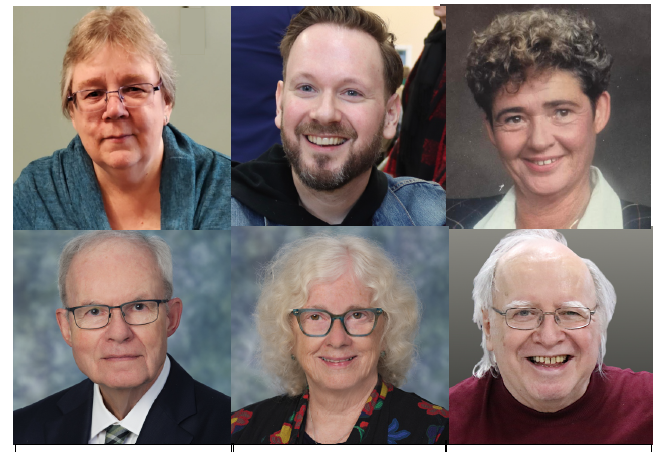


The Cline House is having an exhibit on portraiture featuring 22 artists and all but one are local. We will also be hosting a discussion on this subject on Saturday August 22 and will be featuring a Quebec based artist – Emile Brunet whose work is represented by a gallery in New York city. So we are extremely excited about all of this.
In this vein I have written an extensive piece on portraiture.
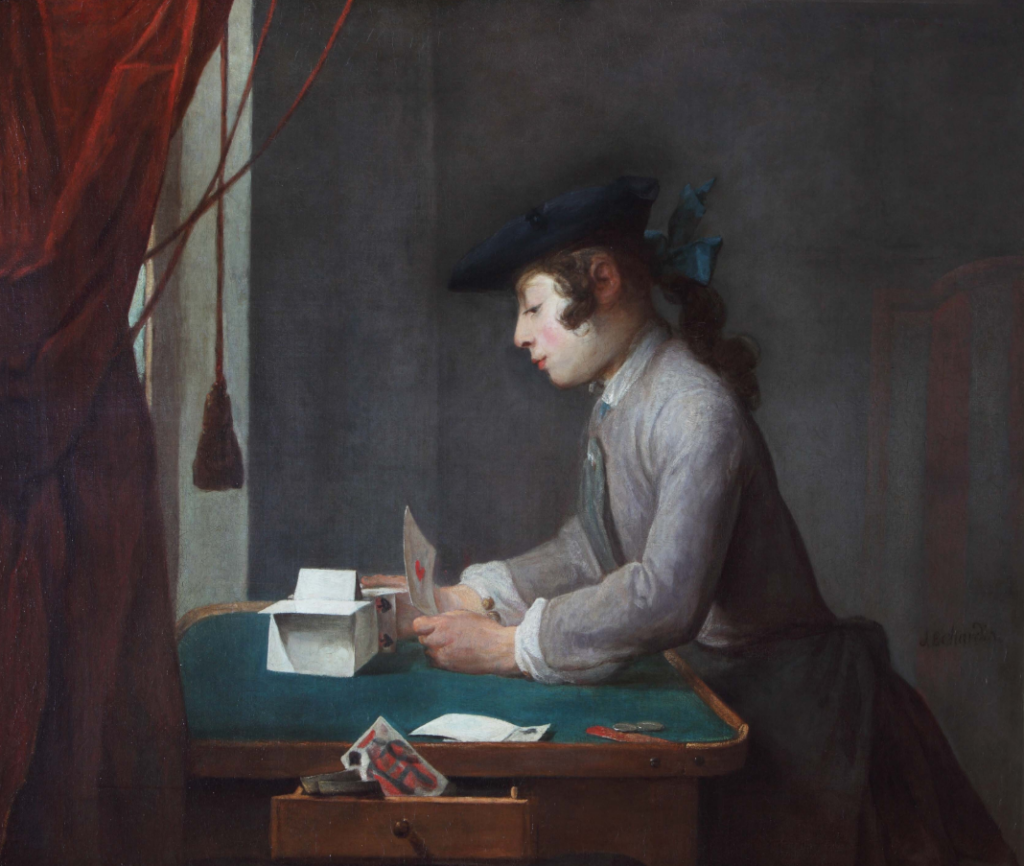
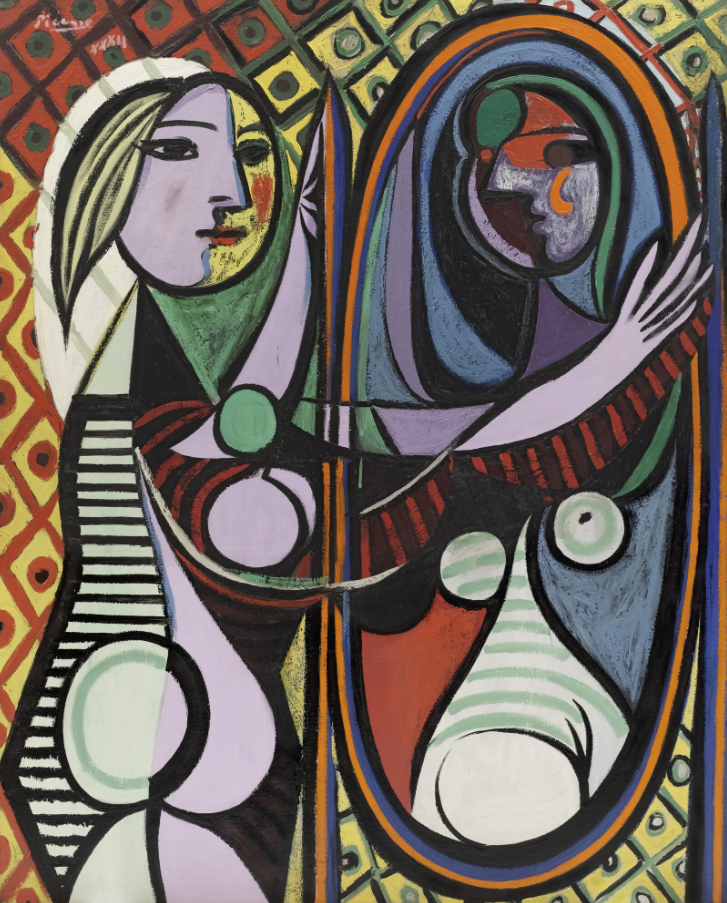
Jean-Siméon Chardin, Boy Building a House of Cards, 1735 oil on canvas, National Gallery, London Pablo Picasso, Girl Before a Mirror, 1932, oil on canvas, MOMA.
I was going to have cosmetic surgery until I noticed that the doctor’s office was full of portraits by Picasso. – Rita Rudner
Before we walk or talk, we read faces, making portraiture one of art’s most compelling forms. The face unites the senses and signals identity, from unlocking phones to verifying passports; even as it changes, it remains central to who we are.
Portraits fix loved ones in time, defying distance, separation, and death. Self-portraits balance vanity with intense self-scrutiny.
The House of Cards (c. 1740–1741) is a celebrated oil painting by French Rococo master Jean-Siméon Chardin. It depicts a young, elegantly dressed boy intensely focused on balancing playing cards. The fragile structure acts as a moralizing metaphor for the fleeting, insubstantial nature of human endeavors.
Girl before a Mirror is a famous 1932 oil-on-canvas masterpiece by Spanish artist Pablo Picasso. The artwork is widely celebrated for its rich symbolism, complex geometry, and vibrant coloration.
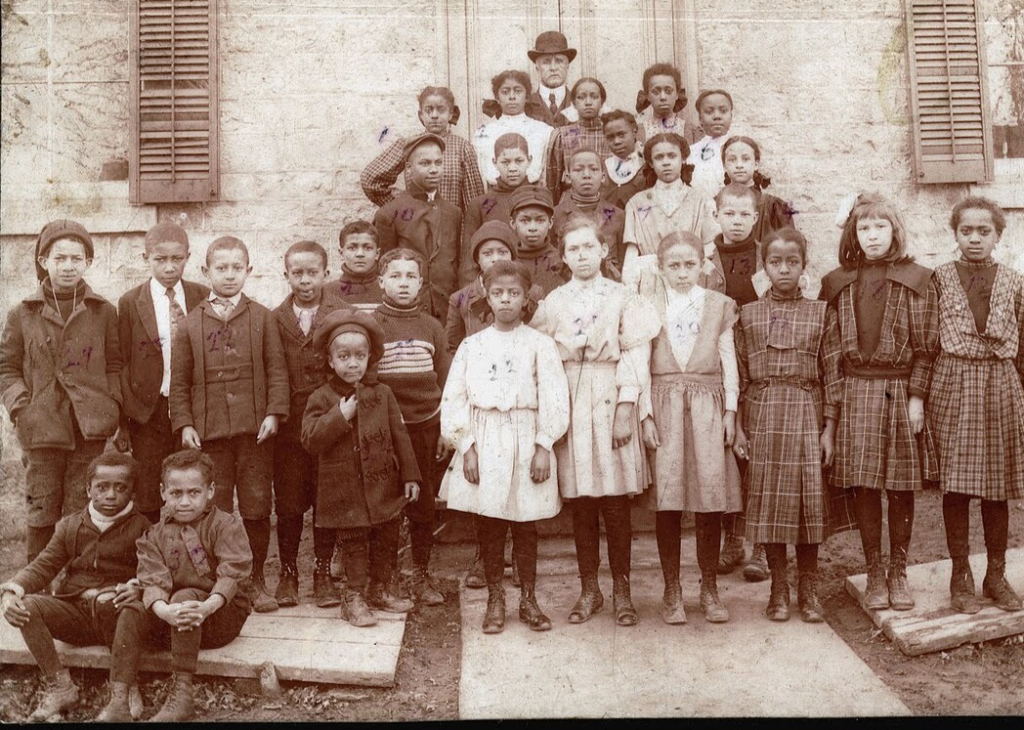
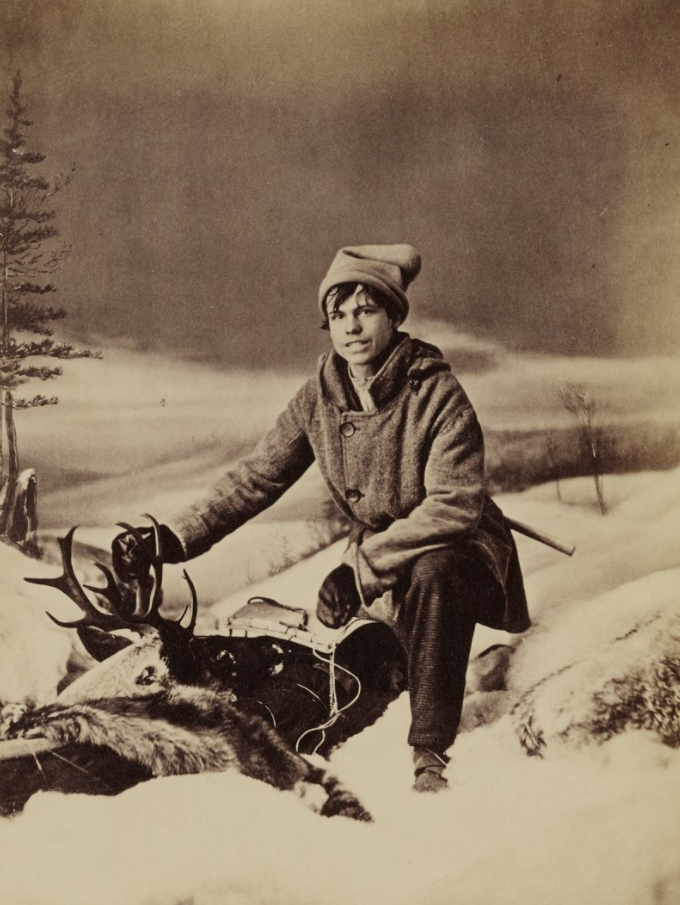
Students of King St School Amherstburg, ON, 1890, black and white print, Archives of Ontario William Notman, The Guide, 1866, albumen print, National Gallery of Canada
Portraiture and the Rise of Photography
Early photographic portraits first rivalled painted portrait miniatures and eventually replaced them. They also made portraiture more accessible, allowing a much wider range of people to be remembered in this way.
Nineteenth-century Canadian winter activities—such as tobogganing, skating, and hunting—were popular subjects. Because photography was technically limited, studios built elaborate sets to stage them. Montreal photographer William Notman excelled at such theatrical scenes, especially winter hunting and trapping. Though highly staged to modern viewers, his images were praised at the time for their detail and naturalism.
They also reinforced white settler claims to the land, gender roles, and stereotypes of Canada as snowy and wild.
Each year, more than 5 million school-aged children in Canada, from kindergarten to Grade 12, have their photographs taken. Most publicly funded and private schools across the country hold annual Picture Days, capturing both individual portraits and class composites.
Students at King Street School in Amherstburg, Ontario, photographed around 1890, represented the first and second generations of families who came to Canada through the Underground Railroad. Today, the photograph stands as evidence of the school’s diversity during a period when segregation was still widely practiced in public education.
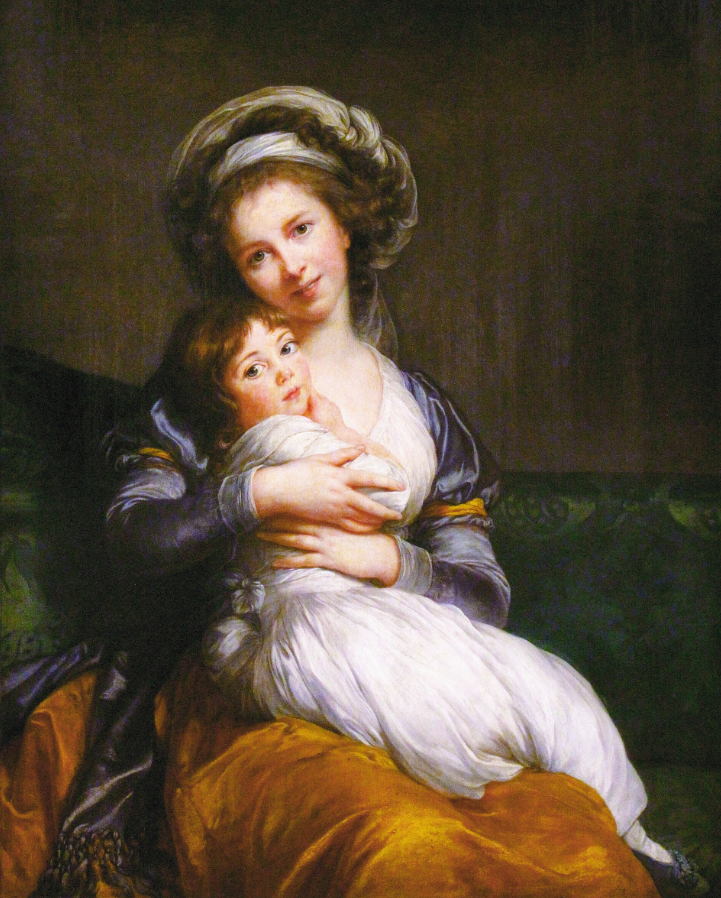
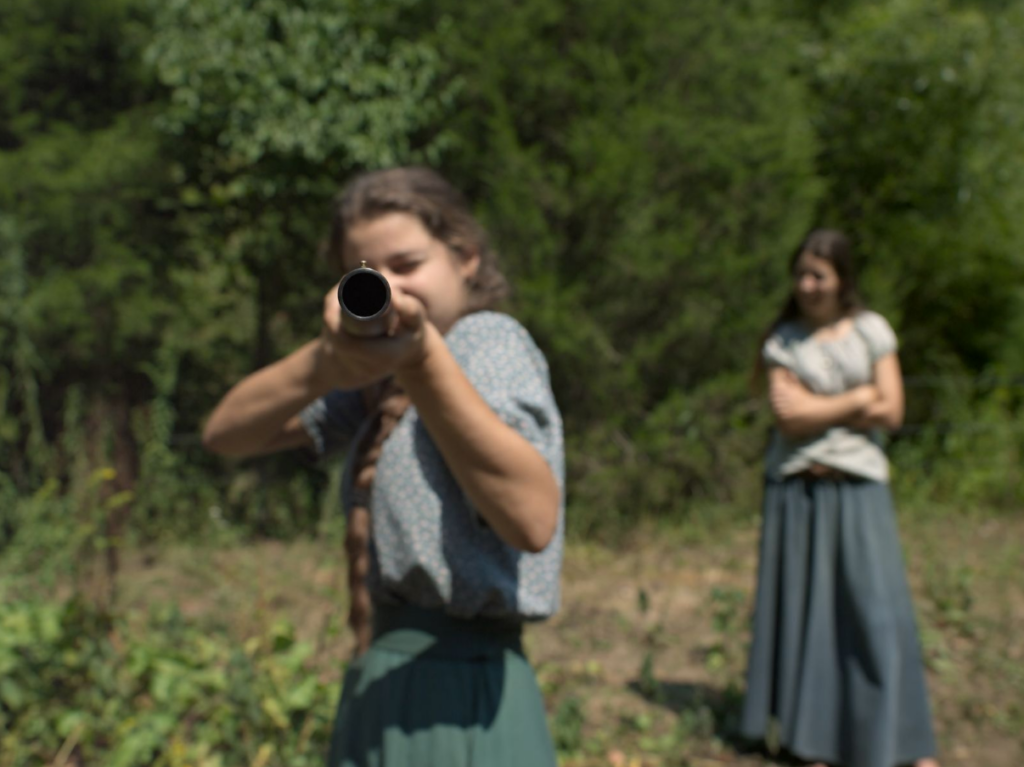
Elizabeth Vigee-Lebrun, Self-portrait with Daughter, 1786, oil on canvas, Louvre Museum Lucas Foglia, Cecilia with a Shotgun (from the series Natural Order), 2008, c-print, courtesy Fredericks & Freiser Gallery
Madame Vigée-Lebrun and the Controversy of the Smile
In 1787, Madame Vigée-Lebrun, painter to France’s royal and aristocratic elite, exhibited a self-portrait at the Paris Salon showing herself in an affectionate embrace with her daughter. In the painting, she wears a warm, open smile that reveals her teeth.
Today, the image may seem entirely unremarkable, but at the time it provoked strong criticism.
Why did this white-toothed smile appear so startling in its time? In the twenty-first century, such a smile is an ordinary sign of personal identity, most famously embodied in the “Great American Smile” that looks out from billboards and political campaign posters. Vigée-Lebrun’s portrait offers an earlier, more restrained example. It raises larger questions about why this gesture emerged first in France and what it signaled in the worlds of art, manners, and social change on the eve of 1789.
Cecilia with a Shotgun, 2008 belongs to the series A Natural Order. Photographer Lucas Foglia spent years documenting people who left modern society to live off the grid in the woods.
The first thing you notice is the giant shotgun barrel. Because the background is blurry and we cannot see what Cecilia is aiming at, the picture feels tense and mysterious.
The photo shows what it takes to survive alone. The gun represents self-reliance and safety, but the wild background reminds us how vulnerable humans are without modern comforts. It makes us ask: what does true freedom cost?
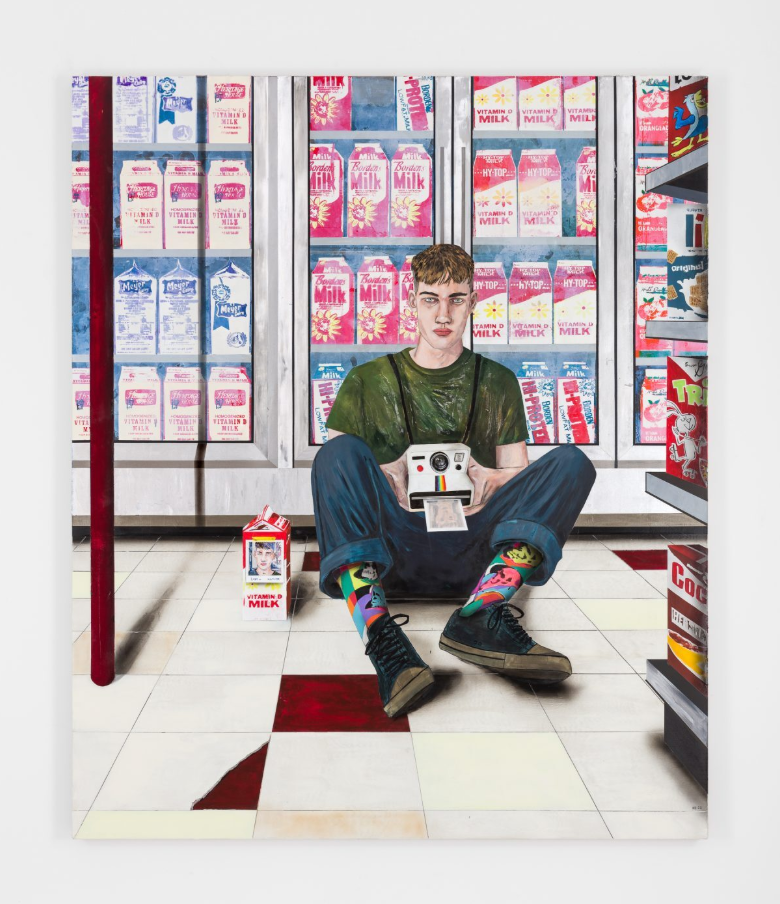
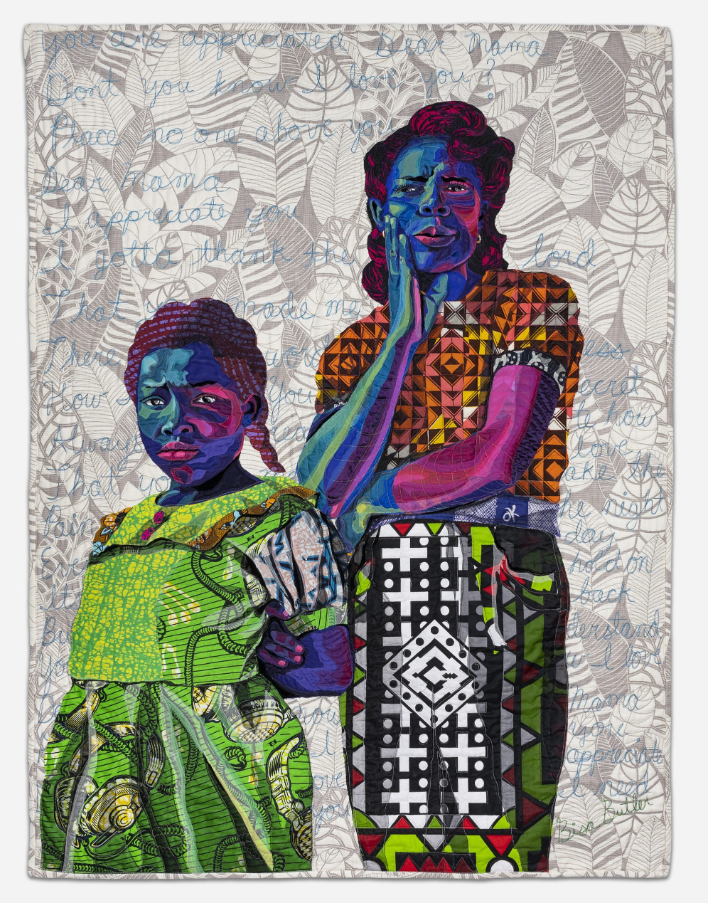
Hernan Bas, Conceptual artist #19, 2023, oil and acrylic on canvas, courtesy of the artist and Lehmann Maupin Bisa Butler, Dear Mama, 2019, textile, courtesy of the artist and Claire Oliver Gallery
The Selfie Generation
In the age of smartphones and social media, selfies have made portraiture a personal digital act, shaping how people present themselves online.
They also reshape ideals of beauty, success, and authenticity. Unlike formal, idealized portraits, candid and unfiltered images often value self-definition over perfection.
Selfies have also influenced painted portraiture through flattened perspective, distorted proportions, high angles, and a shift from static likeness to curated digital identity.
Miami-based artist Hernan Bas explores themes of youth, dark humor, and psychological tension through vibrant, complex figural painting. In his 2023 work, a similar protagonist appears in Conceptual artist #19 (A child of the 80’s, he places his Polaroid self-portraits in a familiar spot whenever he’s feeling lost), 2023, seated before a grocery store milk display. Wearing Andy Warhol–inspired socks, he places a Polaroid of himself on a carton, evoking a missing-child image. The gesture makes identity feel both literal and unresolved: a self-portrait as absence, uncertainty, and longing.
Dear Mama, 2019 is a vibrant textile portrait by American fiber artist Bisa Butler. Made from layered fabrics, it celebrates the bond between mother and daughter and includes handwritten lyrics from Tupac Shakur’s “Dear Mama” as a tribute to her late stepmother and mothers everywhere.
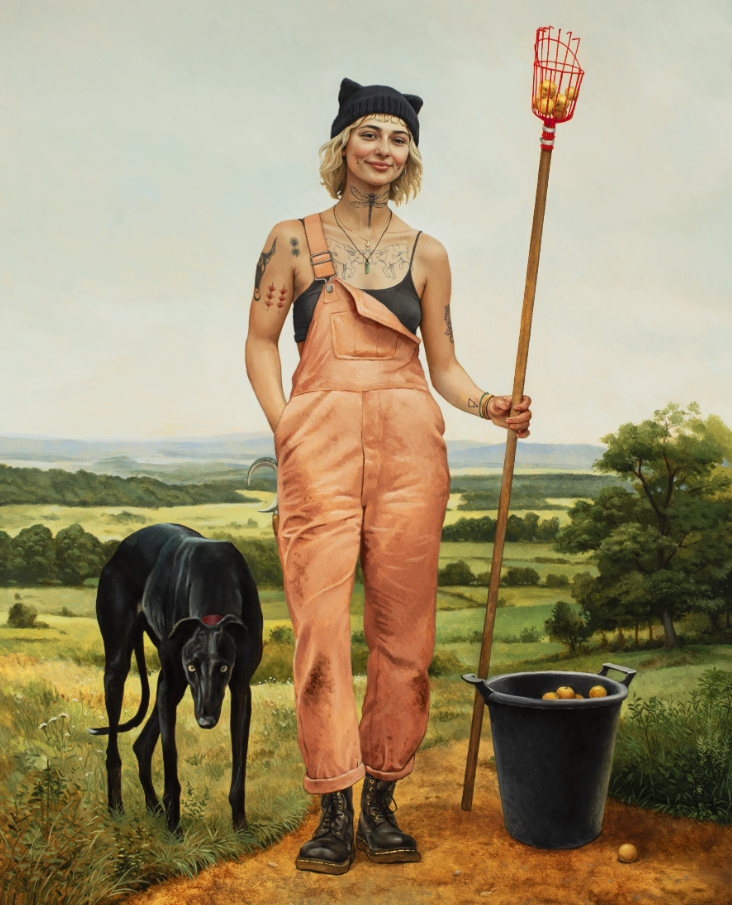
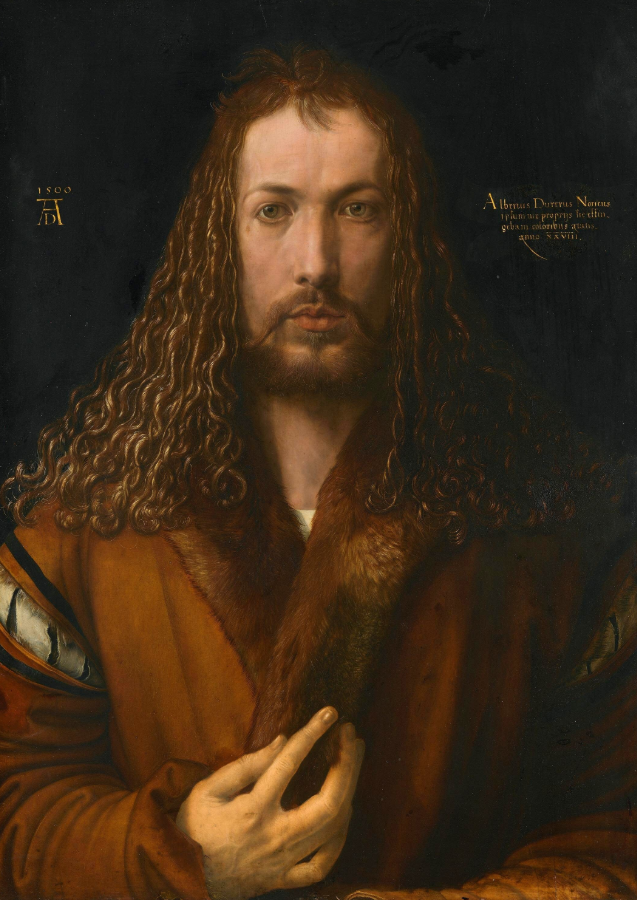
Émile Brunet, The Apple Picker, 2025 oil on wood panel, courtesy of Plato Gallery Albrecht Durer, Self-Portrait, 1500, oil on panel Alte Pinakothek, Munich
Albrecht Dürer and the Self-Portrait Tradition
Albrecht Dürer was a central figure in the early history of self-portraiture. His 1500 Self- Portrait, perhaps his best-known work, helped establish ideals of the genre that continue to shape portraiture today.
Neo-Rural Characters
In the artist Emile Brunet’s words, “Are They Peasant” is a series of Renaissance- inspired portraits of contemporary neo-rural figures. These are not traditional agrarian workers; rather, they resemble young professionals with remote jobs who pick apples, tend bees, and take up rural practices outside regular working hours.
Brunet presents these roles with charm and self-awareness, recalling Rococo nobles who dressed as shepherds and performed pastoral fantasies. The series asks how contemporary identity is shaped by nostalgia, lifestyle, labour, and the desire to appear connected to the land.
Portraiture and Interpretation
Whether looking at a traditional oil painting or a modern medium, portraiture blurs the line between public persona and intimate reality. Sitters may wear costumes, adopt specific poses, or project an aspirational image, all of which become valid parts of their perceived identity within the image. What makes a successful portrait and what does this tell us about the individual, and the collective psyche of our time?
About the Author