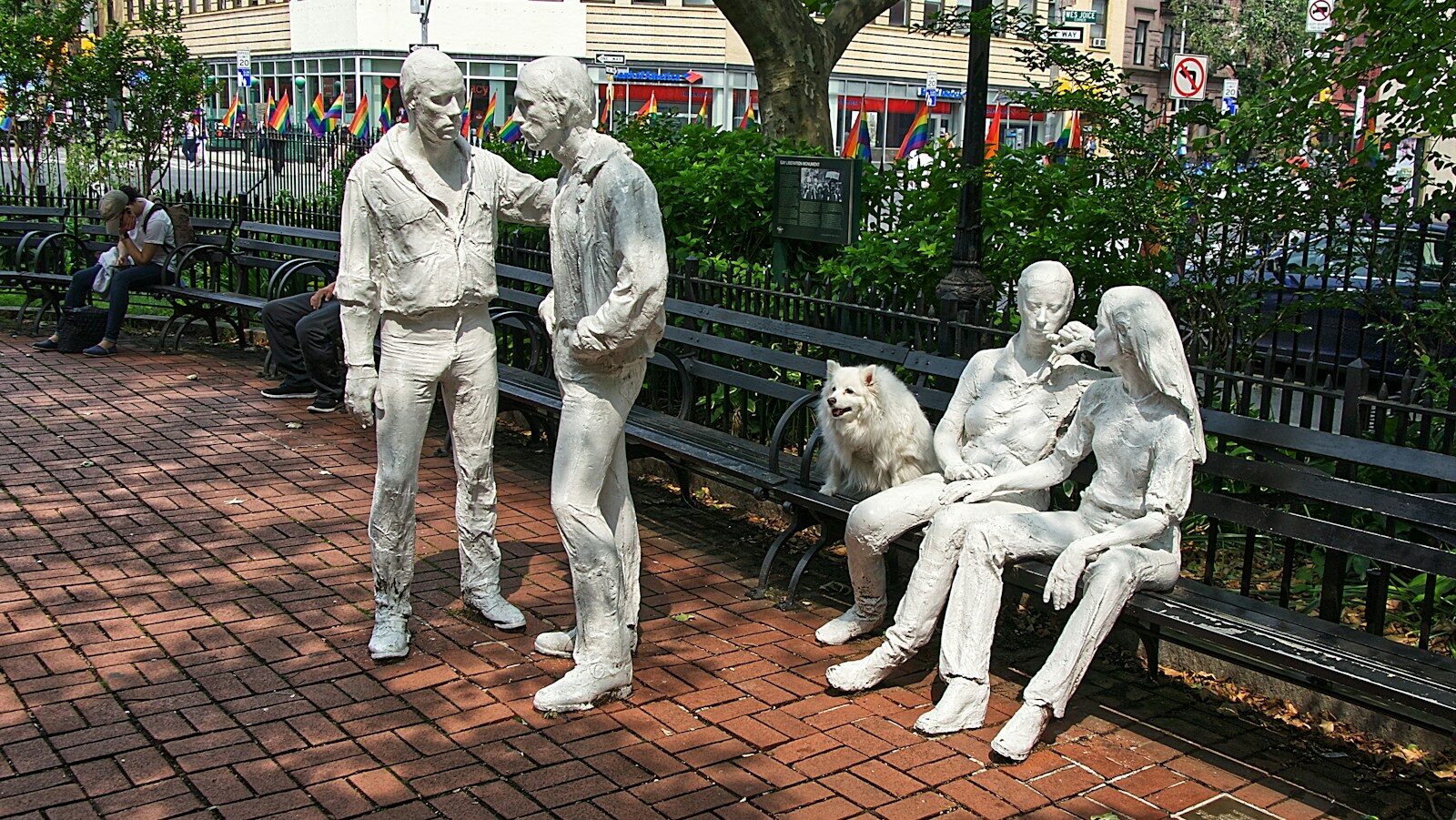
Every human being is an artist, a freedom being, called to participate in transforming and reshaping the conditions, thinking and structures that shape and inform our lives.
Art Is Everywhere
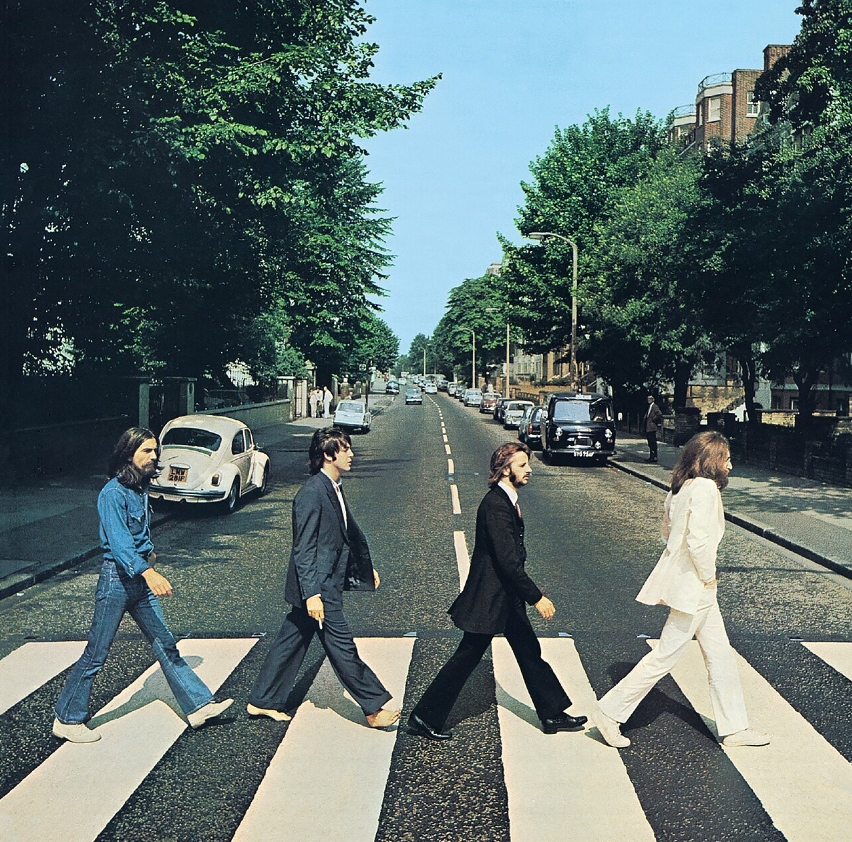
John Josh/Iain Macmillan Front cover of Abbey Road by The Beatles, 1969
Imagine waking up one morning to discover that everything around your room, your home, even the objects you use every day—has turned grey. Pablo Picasso once suggested that without art, the world would be a blank canvas. His point was not simply that art adds beauty, but that it is so seamlessly woven into daily life that we often stop noticing it.
Artists and creative professionals shape much of what surrounds us: product packaging, clothing, vehicles, buildings, public spaces, and personal style. Industrial designers,
fashion designers, architects, hair stylists, and many others make creative decisions that influence how we live, move, and see ourselves in the world.
Civic Question
Take a moment to consider the images around you and then imagine a world without artistic endeavor. Imagine a world in which artificial intelligence makes cultural decisions on behalf of communities, guided by only a handful of people. What would that mean for our children, our communities, and our own ability to experience and participate in creativity?
As you head to the polls this fall, ask your local municipal candidates where they stand on support for arts and culture in your community. This question matters because culture is often central to how cities and communities define themselves.
Art Reflects and Shapes Society
Art has always held a profound and far-reaching place in society. It reflects the cultures from which it emerges while also helping to shape them. From ancient cave paintings to contemporary digital works, art functions as a universal language that can transcend time, geography, and spoken words.
By offering a window into different eras and perspectives, art helps bridge cultural divides and connect people through shared human experiences.
Art Engages the Present
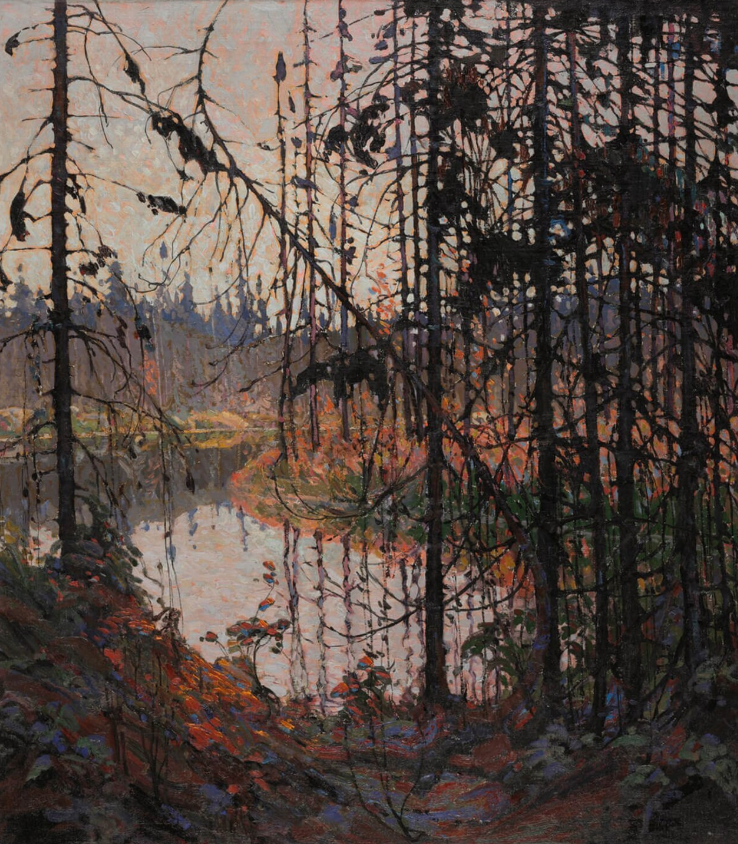
Tom Thomson, Northern River, 1914/5, oil on canvas, National Gallery of Canada
Beyond its historical and cultural significance, art actively engages with the present. It mirrors societal values;
challenges established norms and often inspire social change.
Engaging in the creative process also strengthens skills that are increasingly important in a complex world, including:
● innovation;
● empathy;
● critical thinking; and
● the ability to imagine new possibilities.
Art is therefore not merely decorative. It preserves history, enriches daily life, and drives cultural evolution.
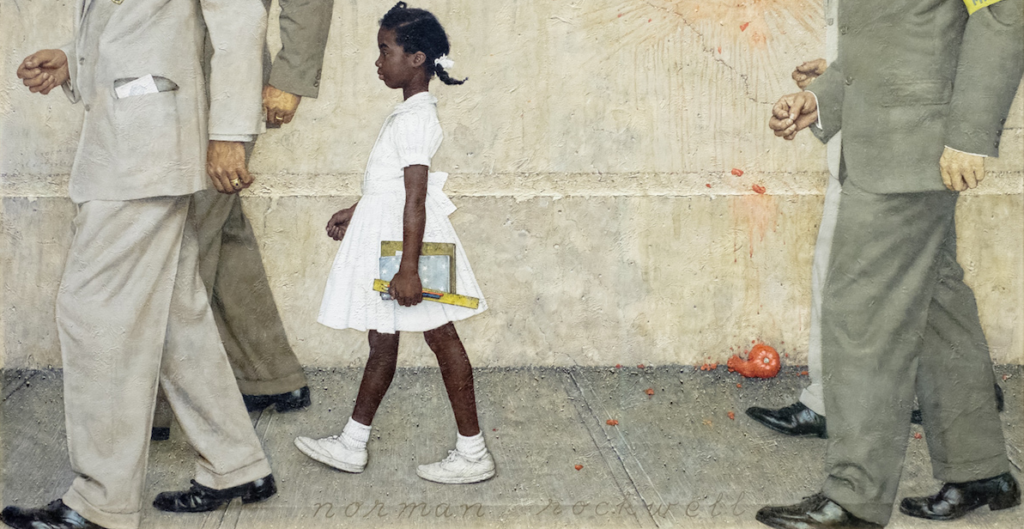
Norman Rockwell, The Problem We All Live With, 1964, oil on canvas, Norman Rockwell Museum
Creativity in Everyday Media
From film and literature to video games, billboards, sports uniforms, and visual media of every kind, creative choices shape the images and experiences we encounter every day. In this sense, the statement “art is life and life is art” is not an exaggeration—it is a recognition of how deeply creativity is embedded in human experience.
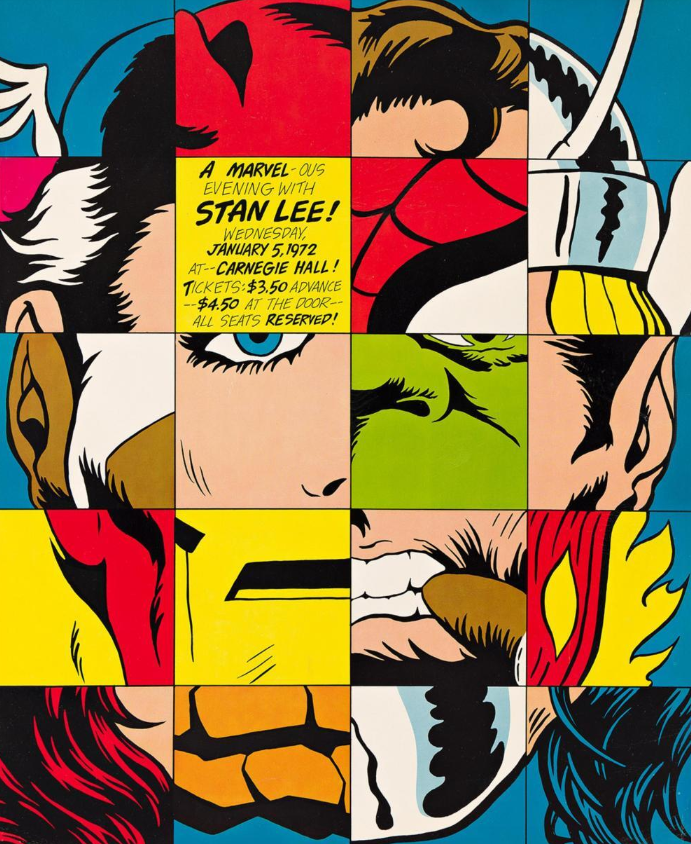
George Delmerico, A Marvel – Ous Evening With Stan Lee! 1972, limited edition poster, Swann Auction Galleries
Art, Creativity, and the Modern Economy
In modern capitalist societies, economic value is no longer driven primarily by physical labour. Instead, economic power increasingly depends on creative labour: the ability to imagine, design, communicate, innovate, and solve problems in new ways.
Places with rich street-level culture, vibrant arts scenes, and dynamic public spaces are often better positioned to attract creative talent, visitors, investment, and community energy.
When we think of places such as Paris, New York City, London, or Munich, we do not usually think first of finance or infrastructure. We think of the Eiffel Tower, the Metropolitan Museum of Art, Shakespeare’s Globe Theatre, and Oktoberfest. These cultural landmarks help define the identity and appeal of those places. They remind us that arts and culture are not separate from economic vitality; they are often hand in hand in creating a strong foundation.
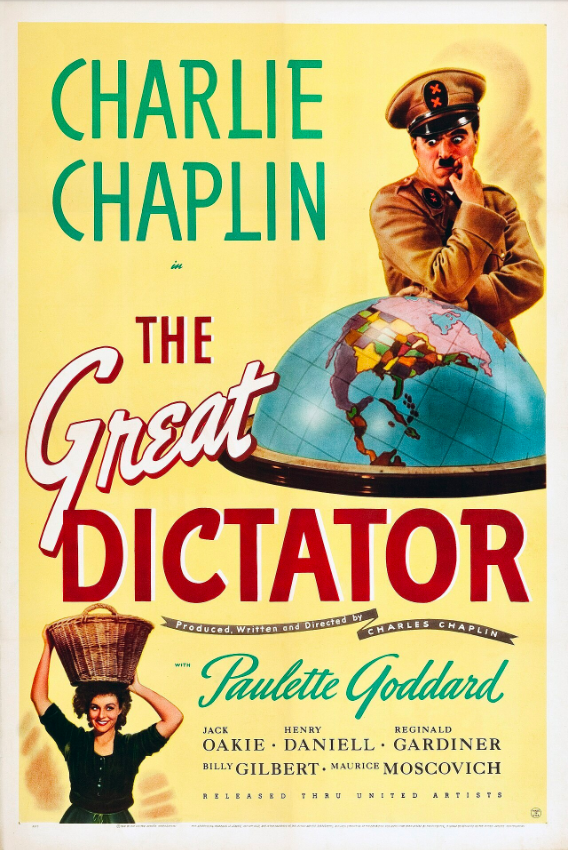
United Artists, Charlie Chaplin’s The Great Dictator, 1940, movie poster
About the Author