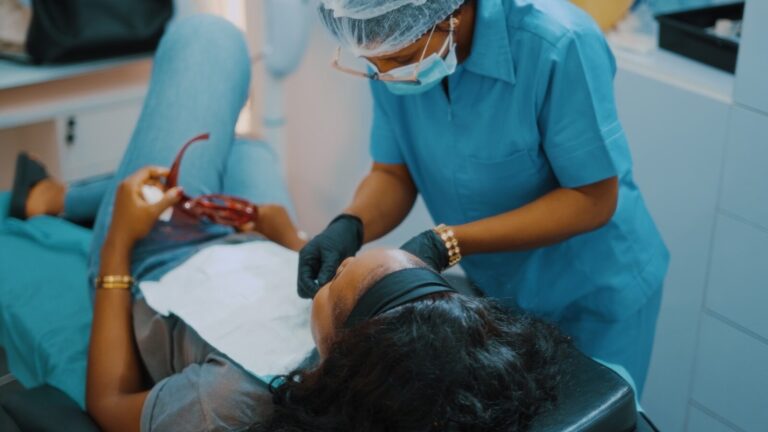

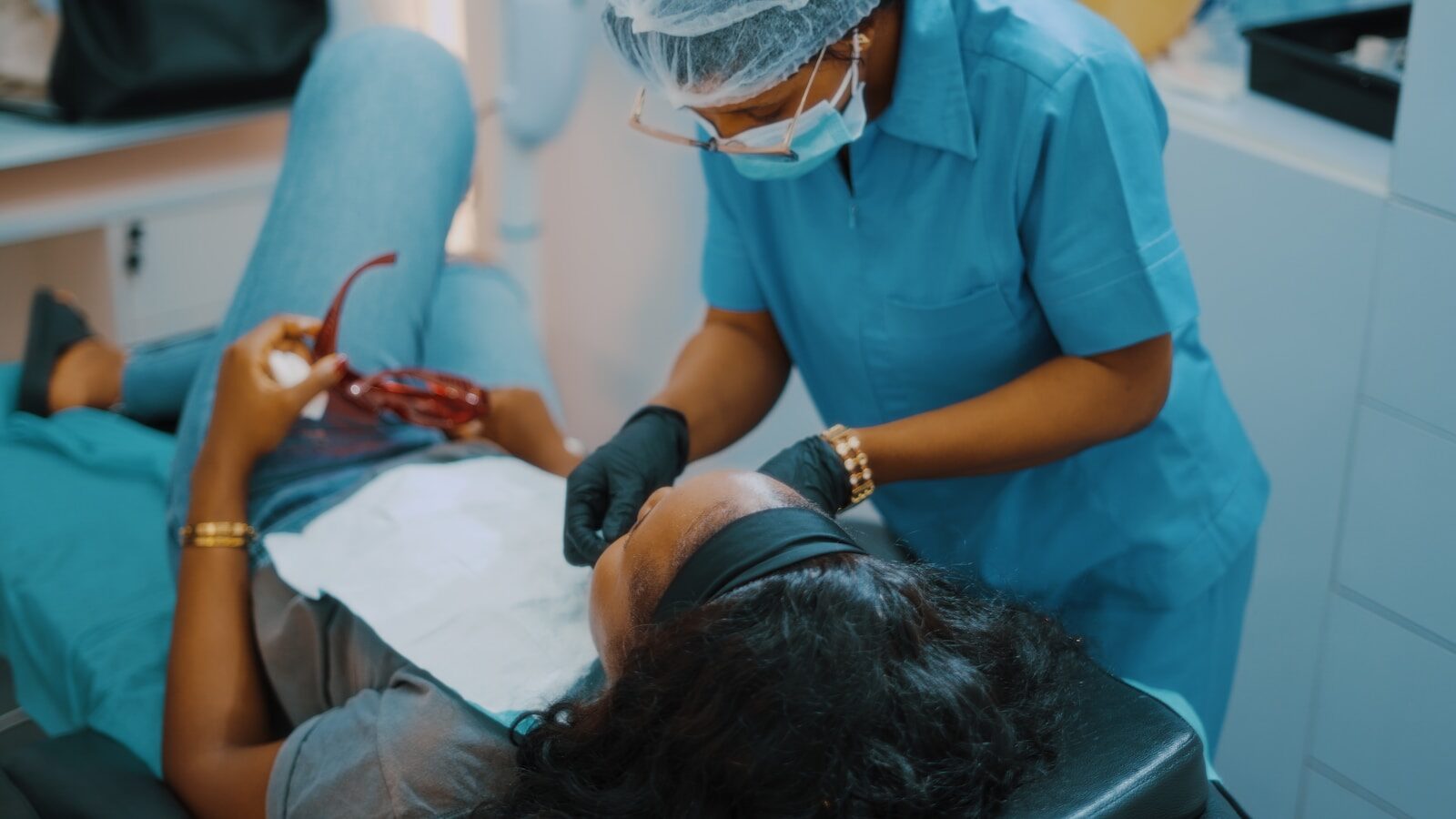
Skipping dental care because of cost is common, but it usually leads to bigger problems and higher bills down the road. Without private insurance, many people assume a dentist visit is simply out of reach, so they postpone checkups until pain forces the issue. That assumption no longer holds for everyone, especially since public programs have expanded significantly in recent years. Between government programs, community clinics and simple daily habits, there are more realistic options today than most people without coverage actually realize.
Understanding what coverage options actually exist
Many Canadians without workplace benefits do not realize they may qualify for public coverage based on their household income and family situation. Before assuming dental care is unaffordable, it’s worth taking the time to Find a CDCP Dentist through the official directory, since eligible applicants can access covered services that used to be entirely out of pocket, sometimes with no upfront payment required at all.
Checking eligibility before assuming the worst
Eligibility for public dental programs depends on household income and existing coverage, not just employment status. Many people assume they earn too much to qualify, when in fact the thresholds are higher than expected. Checking eligibility takes only a few minutes online and costs nothing to confirm, and applying does not require going through an employer or third party at all.
Prioritizing prevention over emergency visits
Without insurance, an emergency extraction or root canal costs far more than a routine cleaning would have cost months earlier. Brushing twice daily, flossing consistently and limiting sugary drinks reduces the odds of needing expensive intervention later, making prevention the most cost-effective strategy available to anyone paying out of pocket. A small daily effort now consistently beats a large unplanned bill later.
Looking into community and dental school clinics
Dental schools and community health centers often offer services at reduced rates, since supervised students perform the work under close professional guidance. Larger networks such as 123Dentist also list participating locations that accept public coverage, which narrows the search considerably for patients trying to compare options in their area. These clinics take longer per appointment but provide quality care at a fraction of private clinic pricing.
What to expect at a teaching clinic
Appointments at teaching clinics typically run longer than standard visits, since supervising dentists review each step carefully before it proceeds. Patients willing to accept this extra time often save significantly compared to private practice rates, especially for more involved procedures like fillings or extractions. Booking these appointments early in the semester also tends to offer more availability than later months.
Negotiating payment plans directly with a clinic
Many private clinics offer payment plans for patients without insurance, spreading the cost of larger procedures over several months. Asking directly about this option before treatment begins, rather than after receiving a bill, gives patients more room to negotiate terms that fit their actual budget. Clinics generally prefer an upfront conversation over a late payment they have to chase down afterward.
Using over-the-counter tools wisely between visits
Fluoride rinses, interdental brushes and whitening strips cannot replace professional care, but they help maintain results between appointments spaced further apart due to cost. Choosing products with proven ingredients rather than trend-driven marketing makes this daily maintenance more effective without adding significant expense. A pharmacist can usually recommend a reliable option without requiring a full dental visit just to ask a simple question about which product actually works.
Building a realistic long-term dental budget
Setting aside a small, consistent amount each month for dental care, even without insurance, prevents a single unexpected bill from becoming a financial emergency. This modest habit, built gradually, gives patients more flexibility to accept treatment recommendations instead of delaying care purely due to timing of expenses. Over a year, that small monthly amount adds up to a meaningful cushion for anything unexpected, without requiring drastic lifestyle changes to build it up.
About the Author