

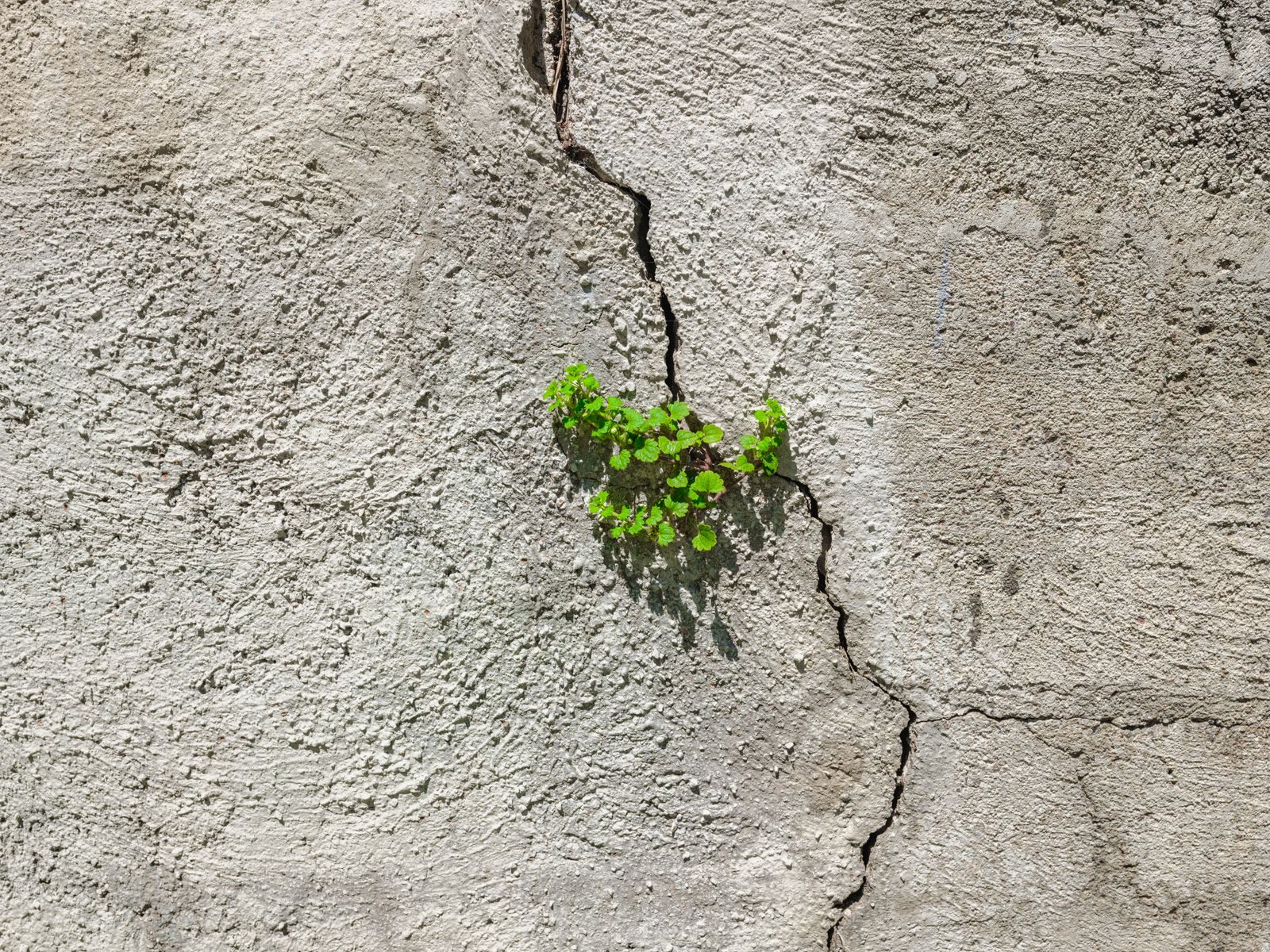
Walk down almost any older street in Cornwall and you will see it: the strip of grey coating on the exposed foundation between the ground and the siding, cracked, flaking, blistered, or sitting in crumbs in the flower bed.
That coating is parging. It is a thin cement or acrylic-modified layer applied over the visible part of a foundation wall, and its job is partly cosmetic and partly protective. It hides the block or poured concrete underneath, and it takes the first hit from weather.
What it is not, despite a widespread assumption, is structural, and it is not waterproofing. Parging is a skin. When people describe their foundation as “crumbling” they are almost always describing the skin, not the wall.
Which is the good news. The less good news is that parging rarely fails on its own.
Ottawa Parging Experts, which works across Ottawa and the surrounding Eastern Ontario counties, handles parging repair along with recoating, crack repair, efflorescence removal, spalling concrete repair and foundation waterproofing. Its other work is described on the services page.
Four things account for most failures in this climate.
Water arriving from above. A downspout that discharges beside the foundation, or ground that slopes toward the house instead of away from it, delivers a continuous supply of water to exactly the wrong place. The parging is simply the first thing that water encounters. Recoating without fixing the grading buys a couple of seasons.
Road salt. Salt splash from the street and driveway attacks cement-based coatings directly, which is why the worst-looking parging on a property is so often the section nearest the driveway or the road.
Freeze-thaw. Moisture absorbed into the coating expands when it freezes. Repeat that through an Eastern Ontario winter’s worth of cycles and the coating separates from the wall behind it. This is where the hollow sound comes from when you tap failing parging with a knuckle.
Poor preparation. Parging applied over a dusty, painted or previously failed surface has nothing to bond to. It comes off in sheets rather than crumbs, which is a useful diagnostic in itself.
A related symptom worth knowing is efflorescence: the white powdery bloom that appears on masonry. It is mineral salt left behind by water that has moved through the wall and evaporated at the surface. It wipes off easily, and it will come back, because it is a report on where water is going rather than a stain.
On material choice, acrylic-modified parging is more flexible than a straight cement mix and generally handles movement and freeze-thaw better, at higher cost. Traditional cement parging remains common and performs well when the surface underneath is sound and the drainage around the house is doing its job.
The practical advice from contractors is consistent: before paying for a recoat, find out where the water is coming from. Parging that has failed twice in five years is not asking for a third coat.
Ottawa Parging Experts is based in Nepean and can be reached at (343) 337-3573. It already works in communities across the counties including Winchester, Chesterville, Casselman and Russell, and prices jobs in writing after looking at the foundation.
More information is available at OttawaPargingExperts.ca.
About the Author