

Botox has become one of the most widely performed cosmetic procedures in the world, and yet a surprising number of people arrive at their first appointment with very little understanding of what the treatment actually involves, what to expect in the days following, and what determines whether the results will look natural or overdone. The gap between what people imagine Botox to be and what it actually does is wide enough that clearing it up before booking is genuinely worthwhile.
Whether you have been considering it for years or are only recently curious, here is what is worth knowing before you make an appointment.
What Botox Actually Does
Botox is a purified form of botulinum toxin that works by temporarily blocking nerve signals to specific muscles. When injected into the muscles responsible for facial expressions, it reduces their ability to contract, which relaxes the overlying skin and softens the lines and wrinkles that repeated muscle movement creates over time.
The most commonly treated areas are the forehead, the space between the eyebrows known as the glabella, and the outer corners of the eyes where crow’s feet form. These are all areas where dynamic wrinkles, meaning lines that form from movement rather than from volume loss or gravity, respond well to neuromodulator treatment.
What Botox does not do is fill volume, lift significantly drooping skin, or address wrinkles caused by sun damage or loss of collagen. Those concerns are addressed by different treatments entirely. Understanding the distinction matters because people who arrive expecting Botox to solve concerns it was not designed for tend to be disappointed regardless of how well the injection itself goes.
The Consultation Is the Most Important Part of the Process
A good Botox consultation is not a formality. It is the part of the process that determines whether your results will look natural and meet your expectations, or whether you will leave with something you did not ask for.
During a proper consultation, a qualified practitioner will assess your facial anatomy, the strength and movement patterns of your muscles, and how your skin responds when you make various expressions. They will ask what you want to achieve, whether that is softening specific lines, a slight brow lift, or simply a more rested appearance without looking noticeably altered. And they should explain honestly whether your expectations are achievable with the treatment and what realistic results look like for your specific face.
According to the American Academy of Dermatology, the most important factor in achieving natural-looking results from neuromodulator treatments is the skill and judgment of the person administering them, not the product itself. The same syringe in different hands produces dramatically different outcomes, which is why the consultation is the right moment to assess whether you trust the practitioner’s approach and aesthetic sensibility.
How to Choose the Right Practitioner
The market for cosmetic injectables has expanded rapidly, and with it the range of settings where Botox is offered. It is available in dedicated medical aesthetics clinics, dermatology and plastic surgery offices, medical spas, and in some places through mobile injection services and pop-up events. Not all of these settings carry the same level of clinical oversight or quality assurance.
For a first-time patient, a few criteria are worth applying when evaluating where to go.
Look for physician oversight. Botox is a prescription medication that should be administered by or under the supervision of a licensed physician. Clinics where a physician is directly involved in consultations and treatment, rather than simply signing off on plans developed by someone else, offer a meaningfully higher standard of clinical judgment.
Prioritise experience with natural results. Before and after photos on a clinic’s website reveal a great deal about their aesthetic philosophy. Look for results that make people look refreshed and well-rested rather than frozen or expressionless. If the photos consistently show people who look significantly altered, that is informative.
Be cautious of heavily discounted pricing. Botox is priced per unit, and the total cost depends on how many units are used in your treatment. Prices that seem significantly below market rate often reflect reduced unit counts, diluted product, or less experienced injectors, none of which serve a first-time patient well.
What the Procedure Involves
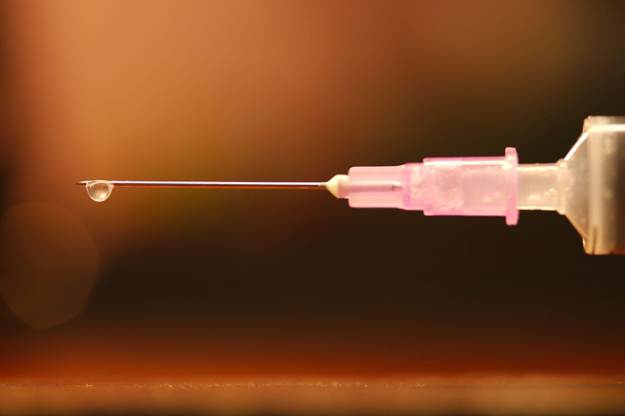
The appointment itself is short. Most Botox treatments take between ten and thirty minutes depending on the number of areas being treated. The injections are administered with a very fine needle, and most patients describe the sensation as a mild pinching feeling. Topical numbing cream can be applied beforehand for anyone with significant sensitivity, though many people find it unnecessary.
There is no sedation, no incisions, and no recovery room. Most people return to their normal activities the same day, though there are a handful of post-treatment guidelines worth following to support the best possible results.
Understanding what recovery looks like after Botox, including what is normal in the first 24 to 72 hours, when results begin to appear, and what activities to temporarily avoid, is one of the most useful things a first-time patient can do to set themselves up for a smooth experience.
What to Expect in the Days After Treatment
The hours immediately following a Botox appointment are often the most surprising for first-timers, because the results are not yet visible but minor side effects may be. Small raised areas at the injection sites typically resolve within twenty to thirty minutes. Mild redness, light bruising, or slight tenderness around the treated areas can appear and usually resolve within a few days.
Results do not appear immediately. The neurotoxin takes time to bind to the nerve receptors, and most patients begin to notice softening of the treated muscles between three and five days after their appointment. Full results are typically visible by day fourteen, which is also when most practitioners schedule a follow-up to assess the outcome and make any minor adjustments if needed.
According to the National Institutes of Health, the effects of cosmetic botulinum toxin injections typically last between three and four months before the treated muscles gradually regain their movement and lines begin to reappear. Many patients find that with regular treatment over time, the results last slightly longer as the muscles become trained to contract less forcefully.
Common Misconceptions Worth Addressing
Botox does not make expressions disappear. Well-administered Botox softens movement without eliminating it. You will still be able to smile, frown, and express yourself normally. The goal is modulation, not paralysis, and a skilled injector calibrates the dose to achieve exactly that.
Starting younger does not mean you need more over time. The idea that beginning preventative Botox in your twenties creates a dependency or escalating need is not supported by the evidence. Many patients in their twenties use lower doses to address early dynamic lines and find that their needs remain consistent or even decrease as the muscle activity reduces over time.
It is reversible in the sense that it wears off. Unlike dermal fillers, there is no injection to reverse the effects of Botox. However, because the effects are temporary and resolve completely within a few months, any result you are unhappy with will naturally fade. This is a meaningful reassurance for first-timers who are nervous about committing.
Bruising does not mean something went wrong. Bruising at injection sites is a common and normal occurrence, particularly around the eyes and forehead where fine blood vessels are close to the surface. It typically resolves within a week and can be covered with makeup after the first day. Scheduling your first appointment a few weeks before a significant event gives any bruising time to resolve comfortably.
Questions Worth Asking at Your Consultation
Arriving at a consultation with a few specific questions helps you assess the clinic’s standard of care and gives you information that is genuinely useful for your decision.
Ask the practitioner to walk you through their approach to your specific concerns, not just the treatment in general. Ask how many units they anticipate using and why, since this reveals both their experience and their transparency about cost. Ask what the follow-up process looks like if you want minor adjustments after your results have settled. And ask to see examples of their work on patients with similar facial structures or concerns to yours.
The American Society of Plastic Surgeons recommends that patients verify their injector’s credentials and training specifically in cosmetic injectables, since general medical or nursing credentials do not automatically confer expertise in facial anatomy and aesthetic judgment.
A Final Thought for First-Timers
The most common thing people say after a first Botox appointment that goes well is that they wish they had done it sooner, not because the results were dramatic, but because they were exactly what they hoped for: a quieter, more rested version of their face that still looked entirely like them.
Getting there requires choosing the right clinic, having an honest consultation, and understanding what the treatment can and cannot do. For the majority of people who approach it that way, the experience is unremarkable in the best possible sense, a brief appointment that produces results they appreciate and then move on from without it becoming the main thing they think about when they look in the mirror.
That outcome is achievable. It just requires a little preparation before you book.
About the Author