


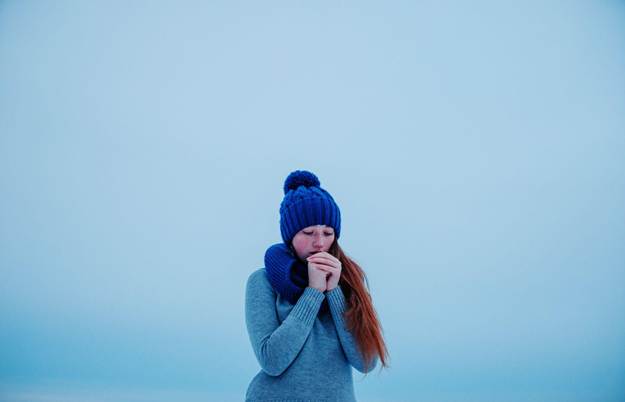
By the time the Thanksgiving leftovers are gone, most of us in Cornwall and the Counties have noticed the change: darker mornings, earlier sunsets, and a creeping sense that everything takes a little more effort than it did in August. For some people that dip passes on its own, while for others it settles in for months and deserves more than a shrug and an extra coffee.
What the Winter Blues Actually Are
Seasonal affective disorder, often shortened to SAD, is a form of depression that follows the calendar, usually arriving in late fall and lifting in spring. The Canadian Mental Health Association has noted that Ontario research puts SAD at roughly 2 to 3 per cent of the population, while about 15 per cent of people experience the milder version most of us call the winter blues.
The difference between the two comes down to how much the low mood gets in the way of your life. Feeling sluggish on a grey Tuesday is normal. Struggling to get to work, pulling away from friends, or losing interest in the things you usually enjoy for weeks at a time is a signal worth taking seriously.
Signs Worth Watching For
Common signs include sleeping much more than usual, craving carbohydrates, low energy that rest doesn’t fix, trouble concentrating, and a heavy, flat mood that hangs around most days. Because these overlap with ordinary tiredness, people often explain them away for most of the winter.
Small Habits That Make the Dark Months Easier
Light is the main lever, and with the clocks falling back on November 1 this year, we lose a full hour of after-work daylight. Getting outside in the morning or over lunch, even on cloudy days, gives your body clock more of the signal it is missing. A loop of the waterfront trail at Lamoureux Park counts, and so does a walk around the block before you sit down at your desk.
Keeping regular wake-up times and putting something social on the calendar each week can steady your mood when the weather will not cooperate. If you are curious about a light therapy lamp, raise it with your family doctor or nurse practitioner first, since they can tell you whether it suits your situation and what kind to look for.
Where to Find Help in Eastern Ontario
Self-care has its limits, and Ontario has more free and flexible options than many residents realize.
Free Programs Funded by the Province
The Ontario Structured Psychotherapy Program offers free cognitive behavioural therapy to adults 18 and older who are dealing with depression or anxiety. Many people start with BounceBack, which pairs workbooks with telephone coaching, and can move on to individual or group therapy if they need more support. You can ask your doctor for a referral or sign yourself up through the regional network, which for Eastern Ontario includes The Royal Ottawa Mental Health Centre.
Private Therapy Without the Drive
Wait lists for publicly funded care can stretch, and some people would rather choose their own therapist or work on concerns beyond seasonal mood, such as burnout or grief. Practices like Horizon Therapy, which has supported clients since 2001, offer online therapy to people anywhere in Ontario, so a resident of Long Sault or Alexandria can meet with a registered therapist from their own kitchen table. A free 20-minute consultation there lets you see whether a therapist feels like a good fit before you commit, and many extended health plans cover registered psychotherapists and social workers, so check your benefits before you book.
When Things Feel Urgent
If low mood turns into thoughts of suicide, call or text 9-8-8 at any hour. The federal government’s mental health support page gathers crisis lines and provincial services in one place, along with resources for youth, Indigenous people and veterans. In an emergency, call 9-1-1.
Frequently Asked Questions
Is Seasonal Affective Disorder the Same as Depression?
It is a type of depression with a seasonal pattern, usually beginning in fall or early winter and easing in spring. A doctor or mental health professional can help you sort out whether what you are feeling fits that pattern.
Do I Need a Doctor’s Referral for Free Therapy in Ontario?
No, the Ontario Structured Psychotherapy Program accepts self-referrals, although your doctor or health care team can also refer you if you prefer.
A Season Worth Planning For
Winter in the Seaway Valley is long, and a little planning can make it feel a lot shorter. Build some daylight into each day and reach out before a low stretch turns into a long one. Asking for support in November is far easier than trying to climb out of a hard winter in March.
About the Author