
Dear Editor,
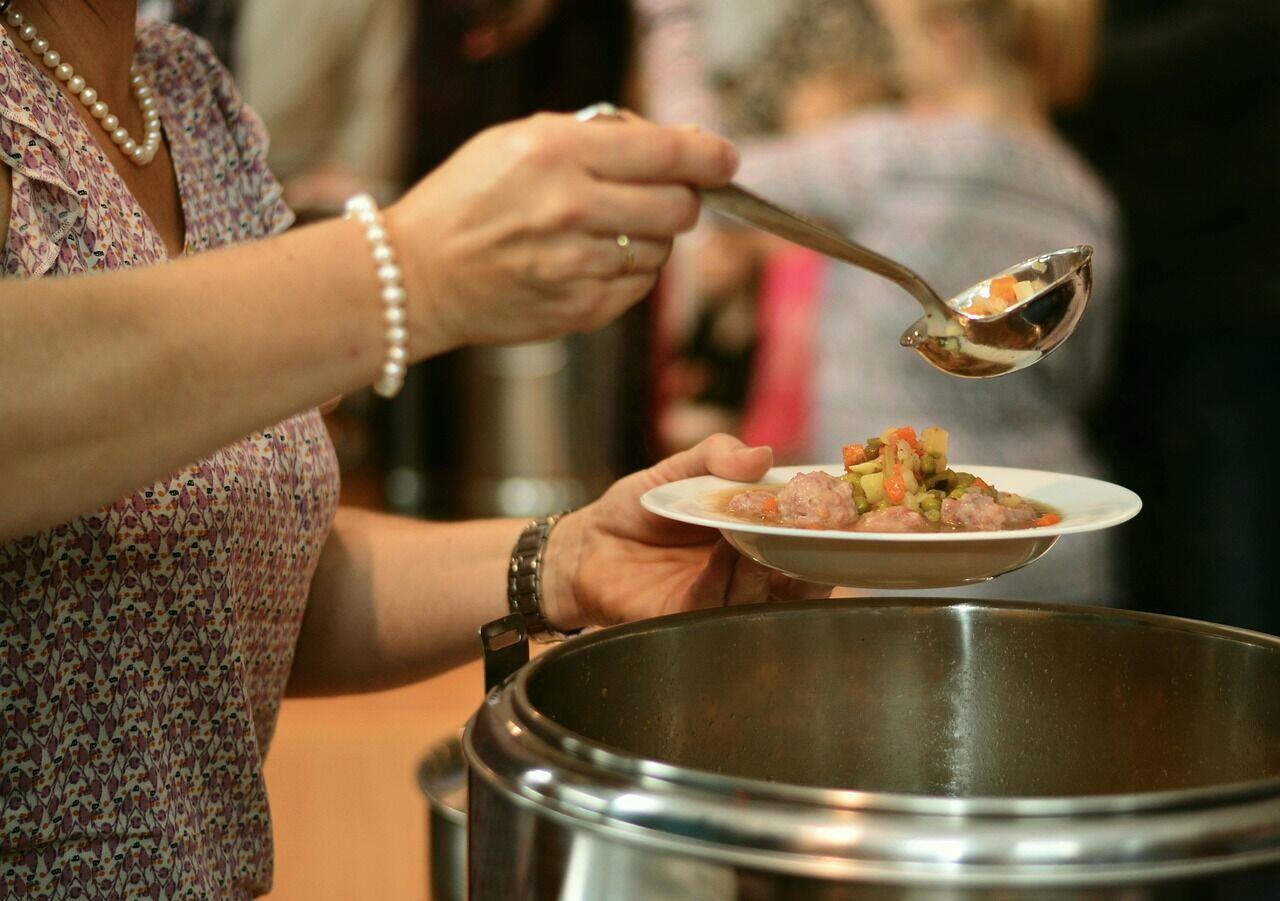
Imagine walking into a free community meal in Cornwall because you’re hungry. There’s a cross on the wall, a notice advertising mass times and, before you eat, an invitation to pray. The people inviting you to pray are the same people serving your dinner. How comfortable would you feel saying no when you know you’ll need to come back tomorrow? That’s what religious pressure can feel like, even when participation is called optional.
I’m asking two local food programs in particular to take this seriously. The Gathering offers meals and social programming out of the Pentecostal Church. Centre 105 serves meals out of Trinity Anglican Church, where it used to offer social programming as well. This charity now has to focus solely on food, as the Anglican Diocese is unwilling to pay for the number of staff members needed to adequately offer social programming.
Unfortunately, these are two local food programs that push religious beliefs on vulnerable individuals who access their programs. This is a very old-fashioned way of attracting parishioners, but it works.
Both organizations should make a clear commitment to the people they serve. Keep organized prayer, invitations to worship and church advertising out of meal service. Actually, let’s not talk about religion at all, if not prompted.
I used to work at Centre 105. A giant 12 foot wooden cross hangs in the dining hall. People who ate there told me directly that it made them uncomfortable, including many Indigenous clients. This complaint was directed to the appropriate channels, which would be clergy, with no action taken. This is only one example. When people tell you what makes it harder to walk through your door, listen to them. They shouldn’t have to explain their history or defend their beliefs to be taken seriously. Their history could include childhood trauma at the hands of a church. Abuse. Residential schools. The list is long.
I’ve seen church volunteers do essential work, showing up week after week to keep meals going. I’ve also seen clergy show up to hand out a meal when there’s a camera. If church leaders want to show their commitment, show up for a regular shift. Take the collar off. And let people eat without being asked to appear in a publicity photo.
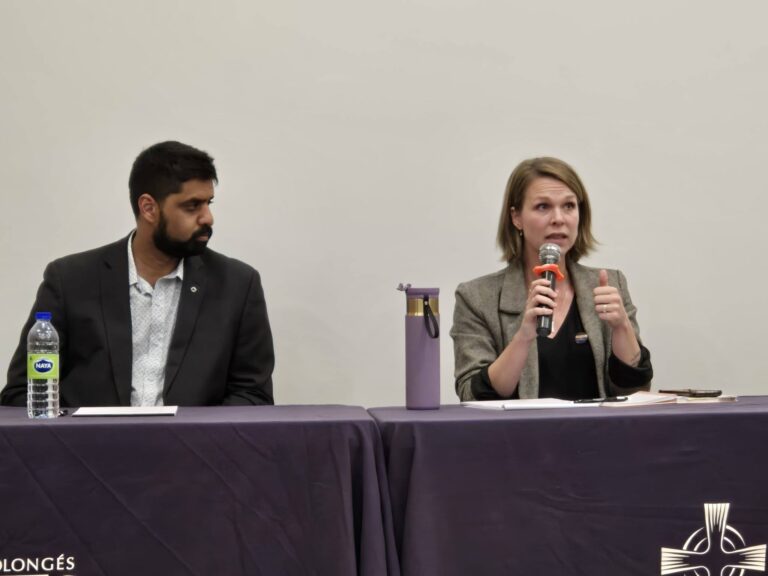
At a recent community presentation, someone involved in a faith-based food program described having no paid staff as their main strength. My first thought was, who’s trained to step in when a conflict escalates, or someone is in crisis? Who takes responsibility? Food programs should budget for trained, paid staff who can respond to those situations and give volunteers the support they need.
I’ve spoken with potential donors who wanted to help feed their neighbours but hesitated because of a program’s religious affiliation. I encourage anyone looking to help locally to support the Agapè Centre, which runs a meal program, a food bank and a thrift store. This organization is a leader in local food insecurity. Agapè is a non-denominational charity that helps vulnerable people, regardless of their religious beliefs. Learn more about their programs and donate today: agapecentre.ca
Churches count attendance on Sundays. The statistic is unofficially called “bums in seats” and is something many religious leaders obsess over. If their numbers dwindle too low, could they justify the astronomical cost of keeping the heat on in 200 year old buildings? Would their salary be justified? Perhaps it is time for parish leaders to focus on social issues, rather than sermons.
The test for a community meal is whether someone can walk in, eat in peace and feel welcome coming back. If someone is hungry, give them a meal. They owe you nothing in return. They’ve already told you everything you need to know.
Taylor Seguin
Cornwall, Ontario
About the Author