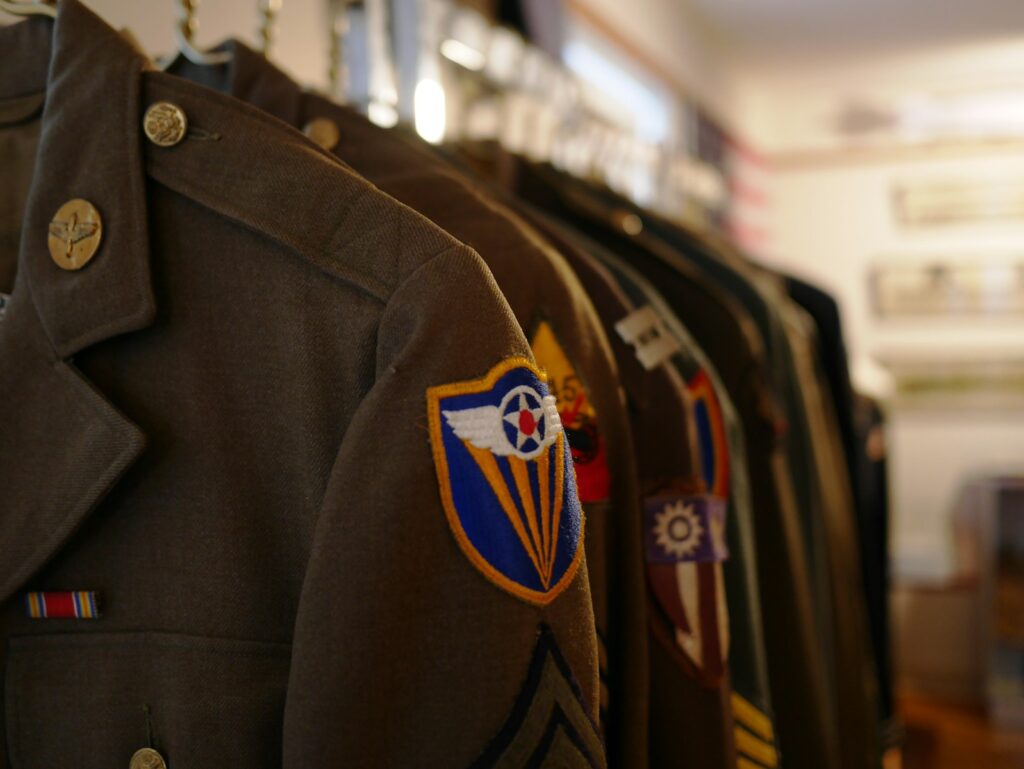
Uniforms do more than identify a group. They build pride, create belonging, and help people feel part of something bigger. For scouts, school clubs, youth leagues, and local sports teams, uniforms are often one of the first shared investments.
The challenge is cost. Many local groups work with tight budgets. They need uniforms that are durable, flexible, and affordable without sacrificing quality or identity.
This article looks at practical ways local groups can customize uniforms without overspending, while still creating something members are proud to wear.
Why Uniforms Matter for Local Groups
Uniforms create instant recognition. They show who belongs to a team, troop, or organization. That visibility builds confidence and accountability.
For younger members, uniforms can be especially powerful. Wearing the same gear as peers creates equality. It removes distractions and helps people focus on shared goals.
Uniforms also help with organization. Coaches, leaders, and volunteers can identify members quickly during events or outings.
Start With Purpose, Not Design
Before choosing colors or logos, define the purpose of the uniform.
Is it for weekly meetings, competitions, outdoor activities, or public events? Each use case affects fabric choice, durability, and customization needs.
A scouting group may need rugged, washable clothing. A sports team may prioritize breathable fabrics. A school club might focus on comfort and visibility.
Clear purpose prevents costly mistakes.
Choose Base Garments Wisely
Affordable customization starts with smart base garments.
Neutral-colored shirts, jackets, or hats often cost less and work with many designs. Buying in bulk from local suppliers can reduce costs further.
Look for items that balance durability and comfort. Cheap garments wear out quickly and need replacement sooner, which increases long-term cost.
Sometimes spending slightly more upfront saves money later.
Use Modular Customization to Save Money
Permanent customization, like embroidery directly on clothing, looks great but limits flexibility.
Modular options allow groups to reuse uniforms across seasons or membership changes. This is especially helpful for youth groups where sizes change often.
Options like custom velcro patches allow logos, names, or ranks to be swapped without replacing the entire garment. This approach keeps uniforms current while controlling costs.
Flexibility matters when budgets are tight.
Local Vendors Offer Hidden Advantages
Working with local suppliers has benefits beyond convenience.
Local vendors understand community needs. They often offer smaller minimum orders, faster turnaround times, and easier communication.
Supporting local businesses also keeps money in the community. That matters to many groups, especially those tied to schools or nonprofits.
Building a relationship with a local vendor often leads to better pricing over time.
Keep Designs Simple and Scalable
Simple designs cost less to produce and age better.
One or two colors. Clean lines. Clear logos. These choices reduce printing or stitching costs and make replacements easier.
Avoid overly complex designs that require multiple processes. Simpler designs are easier to replicate and adjust as the group grows.
Consistency builds recognition without inflating costs.
Involve Members in the Process
When members help choose designs, buy-in increases.
Hold a vote. Ask for feedback. Let younger members feel involved. This builds ownership and pride.
It also reduces dissatisfaction later. People are more likely to wear something they helped choose.
Participation strengthens community.
Plan for Growth and Change
Groups change over time. New members join. Others move on.
Uniform plans should anticipate this. Ordering extra patches instead of extra shirts allows flexibility. Choosing adjustable garments helps accommodate growth.
Planning ahead avoids rushed purchases at higher prices.
Balance Affordability With Safety and Comfort
Cheap uniforms that irritate skin or restrict movement create problems.
Comfort affects participation. Safety affects liability. Choose fabrics appropriate for activity level and environment.
For sports teams, moisture-wicking materials reduce discomfort. For scouts, durable fabrics protect against wear and weather.
Quality does not mean luxury. It means suitability.
Fundraising Can Offset Costs
Many local groups offset uniform costs through fundraising.
Community events, sponsorships, or small local grants can help cover expenses. Some businesses are willing to sponsor uniforms in exchange for modest recognition.
Transparency helps. When families understand where funds go, support increases.
According to a report by Imagine Canada, over 85% of community organizations rely on fundraising to support core activities, including equipment and uniforms.
Fundraising is part of sustainability.
Maintenance Extends Uniform Lifespan
Proper care reduces replacement costs.
Provide clear washing instructions. Encourage members to store uniforms properly. Address damage early.
Small habits extend lifespan significantly.
Maintenance is often overlooked but makes a real difference.
Uniforms Build Identity Beyond Events
Uniforms do not stop working when events end.
They appear in photos, social media, and community gatherings. They become part of the group’s public image.
Well-designed, affordable uniforms help groups look organized and credible without excess spending.
Image matters, even locally.
Final Thoughts
Customizing uniforms does not have to be expensive or complicated. With clear purpose, smart materials, modular options, and local support, groups can create uniforms that last.
From scouts to sports teams, affordable customization builds identity, pride, and cohesion. When done thoughtfully, uniforms become assets rather than expenses.
Local groups thrive when their members feel connected. The right uniform helps make that connection visible.
About the Author