
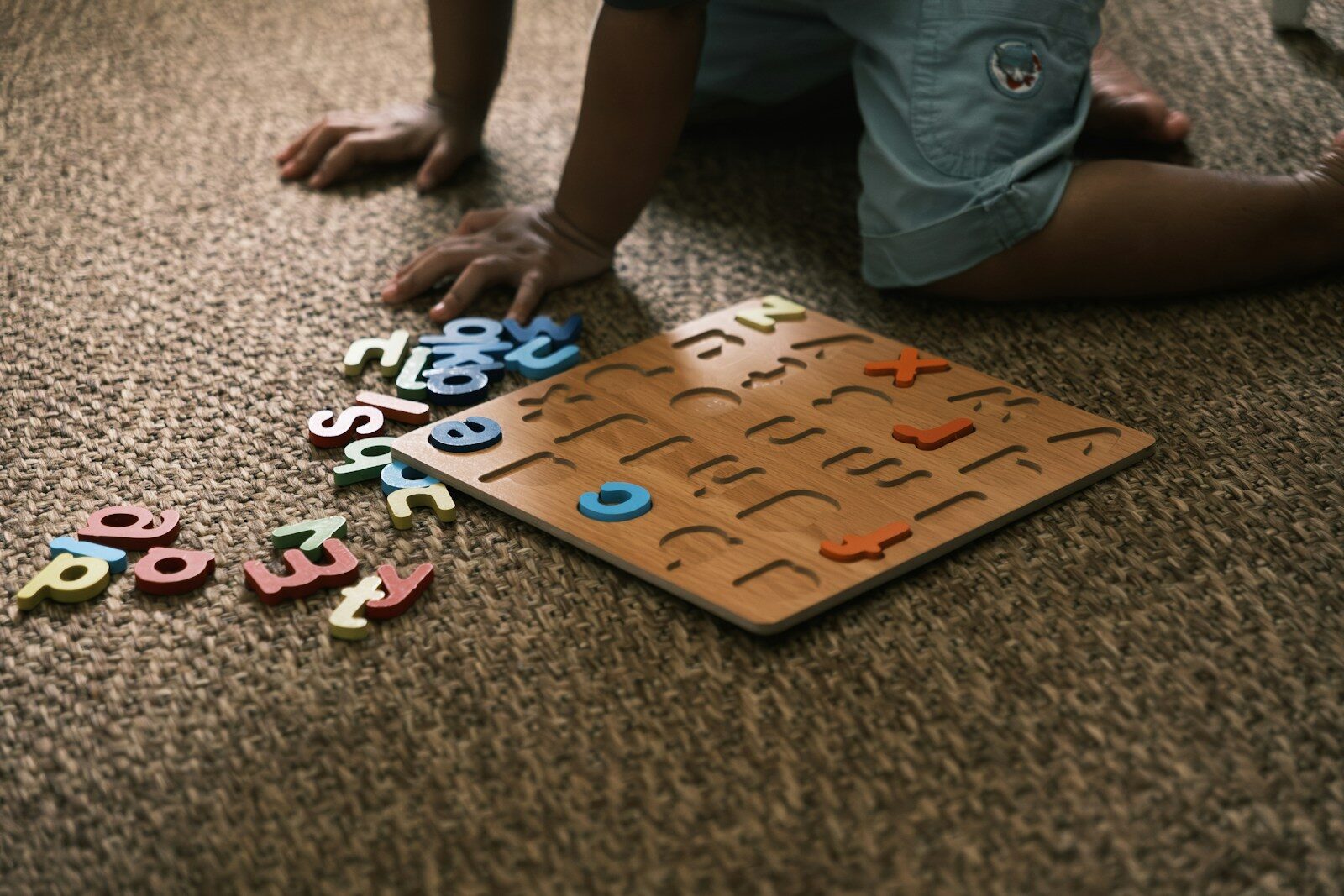
Gross motor skills help children build strength, balance, and coordination through active play. These skills support daily tasks such as walking, climbing stairs, and playing with friends. You can help your child build stronger gross motor skills at home with simple, low-cost activities that use space and items you already have.
In the sections ahead, you will see how everyday movement, such as jumping, balancing, riding, and ball play, can support steady growth. Each idea uses easy setups and clear steps, so your child stays active, builds confidence, and gains better body control over time.
- Indoor obstacle course using pillows and chairs
An indoor obstacle course with pillows and chairs gives kids simple activities to improve gross motor skills in a small space. Parents can place couch pillows on the floor for jumps and set chairs in a row for crawling. Many families use these setups as part of their regular activities to improve their gross motor skills, which helps children build strength and control.
First, they can ask the child to crawl under chairs. This move builds core strength and body awareness. Next, the child can step over pillows or hop from one cushion to another to work on balance and leg power.
In addition, they can add a line of tape on the floor and ask the child to walk heel to toe. This simple task builds coordination. As a result, the child learns to control movement with more care.
Adults should clear sharp objects and keep space open. A safe setup allows children to move with confidence and practice new skills at home.
- Jumping jacks and hopscotch games
Jumping jacks build strength in the legs and shoulders. They also improve balance and coordination. A child can start with five slow reps, then add more as control improves.
This move raises the heart rate and uses large muscle groups. As a result, it supports better body control. Parents can count out loud to set a steady pace and keep the child focused.
Hopscotch offers another simple way to practice jumping skills. It helps with balance, number skills, and body awareness. A parent can draw a grid with chalk outside or use tape on the floor inside.
The child hops on one foot, then switches feet as the pattern changes. Therefore, he or she learns to shift weight with control. In addition, short turns keep the game fun and prevent fatigue.
- Balance beam practice with a taped line on the floor
A strip of painter’s tape on the floor can act as a simple balance beam. It gives a child a clear path to follow and sets a safe challenge.
Ask the child to walk heel to toe along the line. Then have them walk backward or sideways. Next, ask them to hold arms out to the sides or place hands on their hips to change the level of difficulty.
Add small objects such as soft blocks or books beside the line. The child can step over each object without leaving the tape. This task builds core strength and body control.
Encourage slow, steady steps. If balance feels hard, allow the child to look at a fixed spot ahead. As skill grows, shorten rest time or create a curved line for a new test.
- Scooter riding in the driveway or backyard
Scooter riding builds balance, leg strength, and coordination. A child must shift weight, steer, and push with one foot. As a result, the body learns to work as a team.
A flat driveway or smooth backyard patio works well. First, set clear rules about space and safety. Then place a few cones, chalk lines, or small objects to create a simple path.
He or she can ride in straight lines, around curves, or through a short slalom course. For example, draw wide zigzags with chalk and ask the child to follow the path. This task challenges control and body awareness.
In addition, short stop and start drills build control. The child rides to a line, stops with both feet down, then pushes off again. Therefore, scooter play becomes a fun way to build gross motor skills at home.
- Animal walks like crab, bear, and frog hops
Animal walks turn exercise into simple play. Children move like animals, which builds strength and control in a fun way. In addition, these moves need no equipment and little space.
The bear walk asks a child to place hands and feet on the floor and lift the hips high. He or she then steps forward with the opposite hand and foot. This move builds arm, shoulder, and core strength.
The crab walk flips the body face up. The child supports weight on hands and feet, then steps backward or forward. As a result, the move builds balance and coordination.
Frog hops focus on leg power. The child squats low, places hands on the floor, and jumps forward like a frog. Therefore, this action strengthens the legs and supports better body control.
- Ball games such as catching, throwing, or kicking
Ball games help children build strength, balance, and control. They also support hand-eye and eye-foot coordination. In addition, these games keep kids active in a simple way.
A parent can start with easy toss and catch. The child stands a few feet away and throws the ball back and forth. As skill grows, they can step farther apart or use a smaller ball. This helps the child use both sides of the body together.
Kicking a ball also builds leg strength and balance. The child plants one foot and kicks with the other. As a result, they learn to shift weight and stay steady.
Rolling or dribbling a ball adds another challenge. These actions build control and timing, and they give the child more ways to move with purpose.
Conclusion
Simple home activities such as jumping, climbing, throwing, and balance games help children build strength, coordination, and body control. Parents who set aside short, active play periods each day give children steady practice that supports school tasks, sports, and daily movement. In addition, clear routines and safe spaces allow children to move with confidence and try new skills. With regular effort and simple tools, families can support healthy motor skill growth at home.
All activities should be age-appropriate and supervised by an adult. If you have concerns about your child’s motor development, consult a pediatrician or therapist.
About the Author