



By Inioluwa Sharon Ilori, Chair of a Cornwall Youth for Climate Group
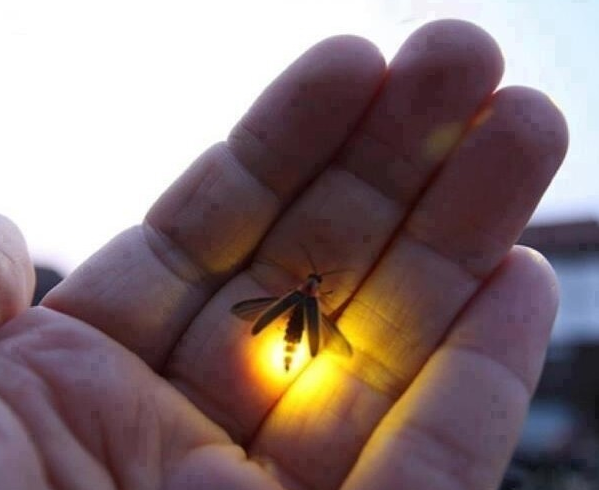
On warm summer evenings fireflies and many other nocturnal creatures appear. But, as human activity increases, there’s less and less darkness at night. This change is happening because of an increase in artificial lighting. Artificial lighting is problematic and has significant environmental consequences.
Light pollution is an excessive or improperly directed amount or source of artificial light at night. Brightly illuminated streetlights, unshielded lights on porches, and outside windows that are still lit after entering a home are all forms of light pollution. All of these contribute to energy waste, preventing us from seeing stars in the night sky, and affecting the environment in harmful ways for humans and animals.
For example, it is important that fireflies can find themselves and find suitable mates in complete darkness. Fireflies use the flashing of their bioluminescent light to signal their potential mates. Research shows that artificial light at night can intercept the signals sent between male and female fireflies, which leads to decreased mating success. Therefore, the presence of bright lights in the vicinity where fireflies live will negatively impact their chances to reproduce.
The impact of artificial light is not limited to fireflies; other wildlife such as bats, moths, frogs, and owls rely on darkness as well. The absence of darkness affects many parts of the ecosystem. An increase in artificial lighting can alter the patterns of many species, including night-flying insects and animals because they can’t find their food sources. Many insects are drawn to artificial lights and don’t survive. There are a lot of areas with a lot of artificial light versus unlit areas, meaning there is less food available to animals in the surrounding area.
Artificial lighting also affects humans by disrupting our body’s natural sleep cycles due to the amount of artificial light we are exposed to from outdoor sources at night. Although artificial light may seem modern or cool, in reality it has a negative effect on us because it affects the amount of sleep we get each night, our use of energy, and the relationship we have with our planet.
Fortunately, the good news is light pollution can be easily fixed, and we do not have to wait for an act of legislation to make a difference. You can do some of these simple acts:
- Minimize outdoor lighting and install motion sensors or timers for outdoor lighting.
- Use shielded outdoor lighting which focuses light downward and not outward.
- Close all curtains or blinds so that no indoor light shines into the street.
- If you run a home, apartment, or business, evaluate if all the lights in your place need to stay on after dusk.
We already have a great local example of getting it right. The pathway lighting in Lamoureux Park is designed to shine downward, reducing the amount of light that spills into the sky and into the eyes of nocturnal wildlife. It proves that when we speak up, things can improve.
A small change in one house won’t make a difference. However, if a number of people in Cornwall make a few easy changes, together we will be able to have healthier conditions for wildlife and ourselves.
The stars are still there. The fireflies are still there. All we need to do is let the darkness return. See transitioncornwall.com or more information on Transition Cornwall+
About the Author








![6abe94394c84c[1]](https://theseeker.ca/wp-content/uploads/2026/10/6abe94394c84c1-768x434.webp)