

People will repaint entire rooms before admitting the space itself may not be getting enough natural light. They will buy increasingly expensive floor lamps, replace furniture, add mirrors in vaguely strategic locations, install “warm ambient bulbs” recommended by someone on TikTok who apparently lives inside a Scandinavian cloud simulation, and still wonder why the room feels slightly tired by 3 p.m.
Meanwhile, the actual issue is sitting directly inside the walls.
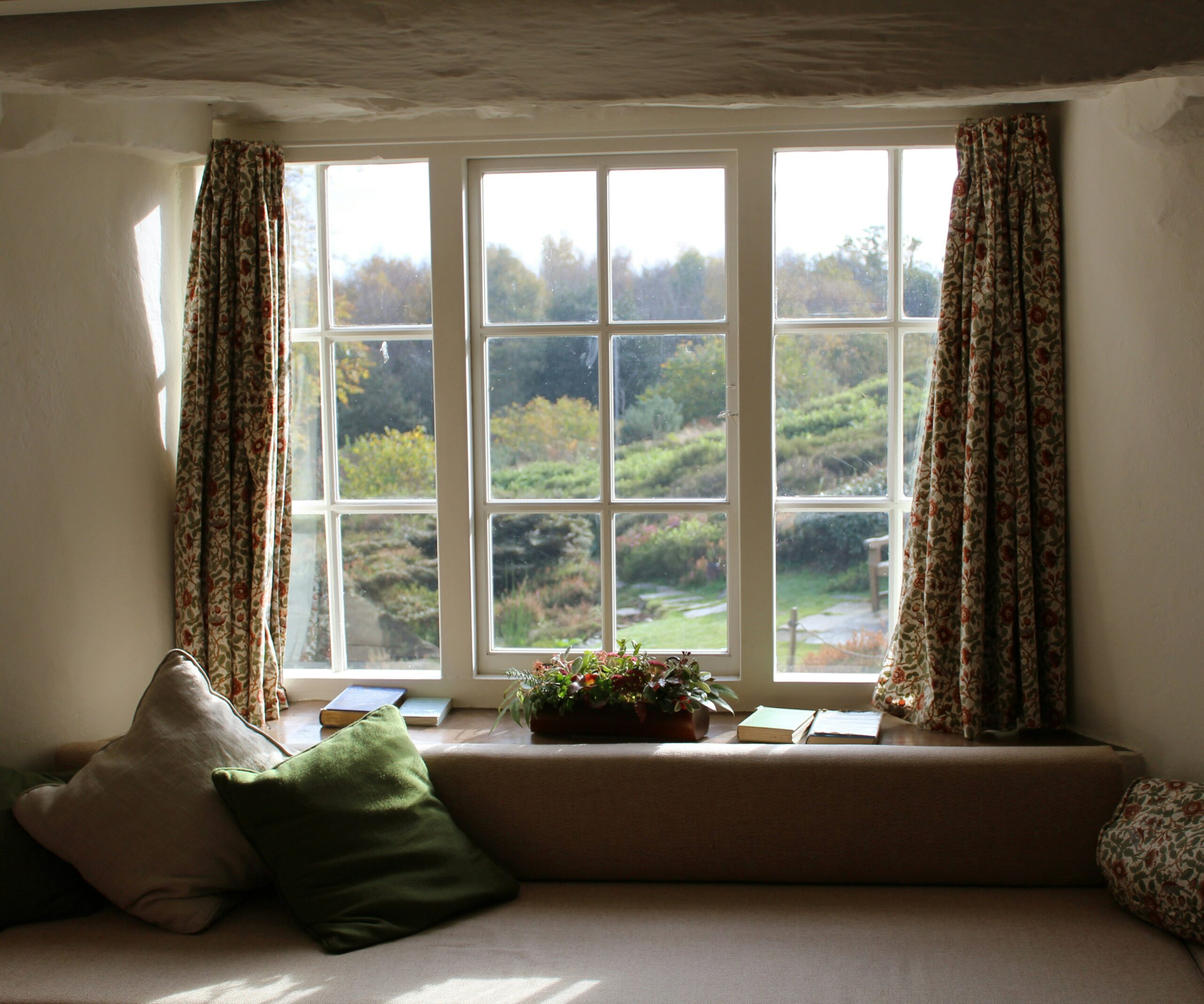
Natural light changes the psychological atmosphere of a home more than most renovation upgrades people obsess over online. Research in environmental psychology has repeatedly linked daylight exposure to mood regulation, productivity, circadian rhythm support, visual comfort, and overall well-being. Poor interior lighting conditions, particularly in climates with long winters and reduced seasonal daylight, can affect how spaces feel physically and emotionally over time.
In colder Canadian climates especially, windows are doing considerably more work than people realize. They influence insulation, energy efficiency, air leakage, condensation levels, sound control, seasonal comfort, and the overall livability of a space simultaneously.
Good windows do not just improve appearance. They change how a house functions.
“Daylight exposure plays an important role in human health, comfort, and productivity.”
— National Research Council Canada
Homeowners Often Wait Too Long to Replace Aging Windows
Window replacement tends to become one of those renovations people postpone repeatedly because the deterioration happens gradually. Drafts become normal. Condensation becomes seasonal routine. Certain rooms become colder every winter. The heating bill quietly climbs. One window stops opening properly. Then another. Eventually the house develops a low-level sense of discomfort nobody fully notices until it improves.
The issue is that older windows frequently lose efficiency long before they fail visibly.
According to Natural Resources Canada, heat loss through windows and doors can account for a substantial percentage of residential energy loss, particularly in older homes with outdated glazing systems or poor sealing performance.
That becomes especially relevant in Ontario homes dealing with extreme seasonal temperature variation throughout the year.
Signs Windows May No Longer Be Performing Efficiently
Homeowners commonly notice:
- drafts near window frames
- rising heating or cooling costs
- condensation between panes
- difficulty opening or locking windows
- exterior noise becoming more noticeable
- fading furniture from UV exposure
- uneven room temperatures
- moisture accumulation during winter
- visible frame deterioration
- reduced indoor comfort near windows
Many of these issues develop slowly enough that homeowners adjust to them rather than recognizing how much efficiency has declined over time.
Energy Efficiency Is No Longer Just About Utility Bills
Energy-efficient windows are often marketed primarily around cost savings, but the conversation has expanded significantly in recent years. Increasingly, homeowners are thinking about comfort, sustainability, indoor temperature stability, noise reduction, and long-term property value alongside energy consumption itself.
Modern window systems are substantially more advanced than earlier generations. Multi-pane glazing, Low-E coatings, insulated frames, advanced weatherstripping systems, and improved spacer technology all contribute to stronger thermal performance and reduced energy transfer.
Manufacturers such as Golden Windows have increasingly focused on producing high-performance vinyl, wood, and aluminum-clad window systems designed specifically for Canadian climate conditions. The company manufactures its products in Kitchener, Ontario and emphasizes energy efficiency, durability, and long-term performance across its product lines.
Canadian Climate Conditions Require Different Window Performance Standards
Windows performing adequately in moderate climates may struggle significantly under Canadian seasonal conditions involving:
- freeze-thaw cycling
- prolonged winter exposure
- humidity fluctuations
- extreme temperature shifts
- heavy precipitation
- UV exposure
- seasonal condensation pressure
This is partly why material selection matters substantially. Vinyl, wood, and aluminum-clad systems all offer different performance advantages depending on the property type, maintenance preferences, insulation goals, and architectural style.
For example, aluminum-clad systems combine wood interiors with maintenance-resistant exterior cladding, while vinyl systems prioritize durability and reduced upkeep requirements.
Window Design Quietly Shapes the Entire Feeling of a Home
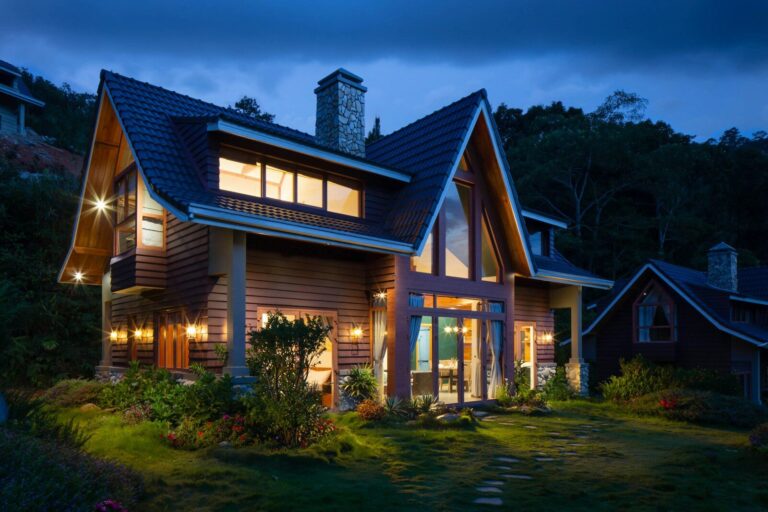
One of the more overlooked aspects of window replacement is how dramatically window design influences the emotional atmosphere of a space. People often think about windows technically rather than architecturally, but window placement, proportions, frame thickness, sightlines, and natural light exposure all affect how large, calm, open, or comfortable a room feels.
Large architectural windows, for example, can increase daylight penetration while visually expanding interior space. Bay windows alter sightlines and create dimensional depth within a room. Slimmer frame profiles can significantly increase visible glass area and exterior visibility.
Natural Light Has Become Part of Modern Wellness Design
The rise of wellness-focused interior design has placed increased emphasis on daylight exposure within residential architecture. Interior designers and builders increasingly prioritize:
- natural light optimization
- indoor-outdoor visual connection
- airflow
- thermal comfort
- acoustic reduction
- seasonal adaptability
This shift reflects broader awareness surrounding how environmental design affects everyday well-being.
Research examining indoor environmental quality has consistently shown that daylight access contributes positively to occupant satisfaction and comfort within residential and commercial environments alike. (nrc-cnrc.gc.ca)
Ironically, many homeowners spend years attempting to improve how their homes feel emotionally without addressing one of the largest architectural variables affecting the experience of the space itself.
Questions Homeowners Should Ask Before Replacing Windows
Before committing to window replacement, homeowners should evaluate:
About the Author


![6abe94394c84c[1]](https://theseeker.ca/wp-content/uploads/2026/10/6abe94394c84c1-150x150.webp)