

Portable power is one of those categories where the “best” product is rarely the best value. A power station that looks perfect on paper can become an overpriced brick if it’s bigger than your real needs, while a smaller unit bought at the right time can feel like a steal for years. Allpowers sits in the middle ground: not bargain-basement, not luxury-only, and generally aimed at people who want practical electricity away from the wall without committing to permanent home backup installations.
If you’re trying to spend less, the winning approach isn’t “find any discount and buy immediately.” The real savings come from matching the right hardware to your use case, then choosing the discount path that actually applies to that product family. That means understanding how promo codes behave, how sale cycles repeat, what “subscriptions” really unlock, and how cashback can quietly out-perform a coupon code—especially on higher-ticket orders.
This guide walks through a deal-focused buying strategy that helps you land a lower total without sacrificing reliability or ending up with accessories you don’t need.
Know What You’re Paying For Before You Chase Deals
Portable power pricing is driven by a handful of factors that make some models dramatically more expensive than others. Capacity is the obvious one, but it’s rarely the only reason a unit costs more. Charging speed, inverter output, battery chemistry, port variety, solar input limits, and even small things like screen usability can change a product’s “real” value.
Before you hunt discounts, define your target in plain, everyday terms: what you want to power, how many things at once, and for how long. This prevents the most common “deal trap” in the category: buying a larger station than you need because the discount looks impressive.
A quick reality-check set of questions helps you narrow down your true requirements:
- Phones, tablets, and a laptop for work: do you need one full day off-grid, or just a few top-ups?
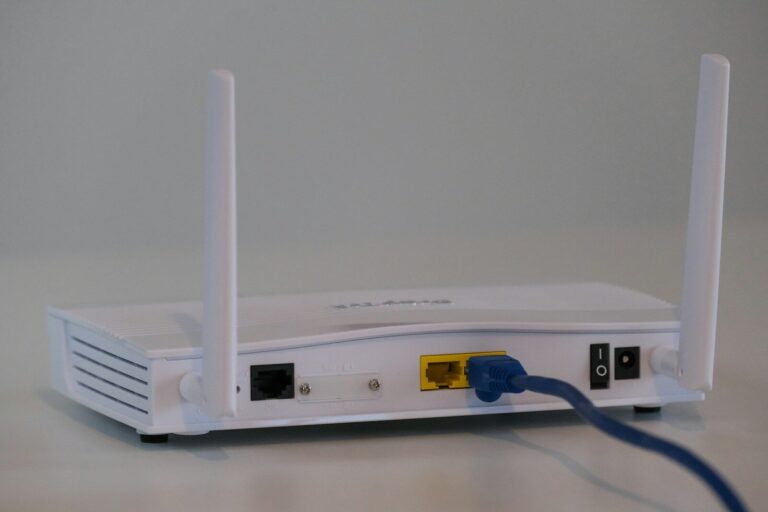
- Router/modem during an outage: do you need several hours of internet, or only to get through short interruptions?
- Camping or road trips: are you charging devices, running lights, or powering higher-draw gear?
- Emergency readiness: do you want bare essentials, or comfort-level coverage?
When you know the job you’re buying for, you’re able to pivot between models if one gets excluded from promotions. That flexibility is often worth more than chasing one specific unit.
The Biggest “Discount” Is Avoiding Overbuying
This category tempts people into purchasing capacity as insurance. The problem is that insurance can be wildly overpriced if it’s not tied to a clear scenario. Bigger stations aren’t just more expensive up front; they can also lead to extra spending on solar panels, heavier accessories, and storage/transport choices you didn’t plan for.
To avoid that spiral, anchor your choice around a realistic device set. If you want a simple starting point, write down only what you would truly run in your most common scenario:
- A laptop and its charger
- A phone or two
- A router/modem
- A small lamp or LED light strip
- A fan, small cooler, or other comfort item (only if you genuinely use it)
If you’re buying for heavier loads, you already know it—kettles, heaters, and large cooking appliances turn portable power into a different game entirely. For most people, the best value is often “enough power for essentials, with a sane recharge plan,” not “maximum watts because it feels safer.”
Sales: Understand the Pattern, Then Shop the Pattern
Allpowers promotions tend to cycle through a few repeatable formats. You don’t need a secret calendar to benefit from them—you just need to recognize the type of discount you’re seeing and respond the right way.
Some sales are broad and shallow: a small percentage off across many items. Others are narrow and deep: one product line gets a much better price for a short window. You’ll also see bundle-led campaigns where the discount is baked into a package price rather than applied at checkout.
The most effective way to use sales is to decide what kind of offer you’re waiting for. If you want a power station alone, a sitewide or category sale can be perfect. If you know you need solar panels, bundles become the more logical target.
Common sale windows to watch in this space often include:
- Seasonal campaign periods where stores promote outdoor travel and emergency readiness
- Short flash promos that focus on one or two models
- Model-changeover moments where older units get pushed out
- Bundle-focused events where the “deal” is stronger on packages than on single items
If your purchase isn’t urgent, waiting for the right sale type can save more than any coupon code.
Promo Codes: Treat Them Like Rules, Not Wishes
Promo codes in portable power aren’t chaotic; they’re rule-based. Once you treat them as rules, you stop wasting time on codes that were never meant to work for your cart.
Here’s the key idea: many stores protect new releases, best sellers, and heavily discounted bundles from additional code stacking. That means a “sitewide” code might still exclude the exact model you want, or it might only apply when your cart hits a threshold that’s easy to miss.
The fastest way to test code eligibility is to start with the core item alone, apply the code, then expand your cart only after you see the total change. If the code fails, you want to know which item triggered the exclusion.
Typical reasons codes don’t apply in this category include:
- Exclusions for newly launched or “latest generation” models
- Bundles that already include an internal discount
- Minimum spend requirements that don’t count shipping or tax
- Region-specific restrictions tied to the version of the store you’re using
- One-code-per-order rules that block stacking
- Items already discounted beyond a certain threshold
If you want a practical shortcut for finding promotions that are actively tracked rather than randomly reposted, many shoppers check Adventures in Coupons Canada as part of their pre-checkout routine. The time you save by focusing on offers that are actually being refreshed is a real kind of savings—especially when you’re trying to buy during a short promo window.
Bundles: Where The Best Value Often Lives (If You Buy Them Correctly)
Bundles can be excellent value, but only when the package matches how you’ll actually use the equipment. A good bundle solves compatibility, reduces decision fatigue, and lowers your total compared to buying parts separately. A bad bundle is simply a cart stuffed with extras you don’t need.
When evaluating a bundle, ignore the marketing headline and do a simple comparison in your head: would you buy these exact pieces anyway? If not, the “discount” might be an illusion.
Solar bundle value depends heavily on your recharge reality. If you’re mostly using the station for home backup, you might recharge from the wall and only want solar as a nice-to-have. If you’re traveling or planning off-grid use, solar becomes a core part of the system—and bundle pricing can make more sense.
A strong bundle usually looks like this: correct panel compatibility, enough input to recharge at a reasonable speed, and accessories that reduce friction (the right cables, adapters, or storage elements). If the bundle is padded with novelty add-ons you’d never choose, it’s not actually saving you money.
Subscriptions: The Quiet Discounts That Don’t Feel Like “Coupons”
In ecommerce, “subscriptions” often means email or SMS sign-ups, account perks, and occasional members-only pricing—not necessarily a paid membership. These sign-ups can unlock first-time buyer offers, early access, or one-time codes that apply to items a public promo doesn’t touch.
The trick is timing. Signing up months early can bury the offer or make it expire before you’re ready. Signing up too late can interrupt your checkout flow and cause you to rush.
A simple approach that works well is to create your cart, confirm your target model, then subscribe when you’re close to buying—so any welcome offer arrives while you can still use it strategically. Then compare it against the current sale price. Sometimes the best deal is already on the product, and a welcome code won’t stack. In that case, your subscription still helps by alerting you when a better promo window opens.
Cashback: A Discount That Often Stacks When Codes Don’t
Cashback is where many shoppers leave money on the table because it’s less visible than a coupon code. But on expensive items, even a modest cashback rate can outperform a small promo code—especially if the promo excludes your preferred model.
Cashback opportunities can come from multiple layers, depending on how you pay and how you access the store. The goal is to keep it simple and reliable rather than chasing every possible point system and losing tracking along the way.
Here are common cashback layers people use in practice:
- Cashback portals or shopping platforms that track your purchase session
- Credit card rewards that apply automatically to online spending
- Payment providers that sometimes run limited-time promotions
- Store-issued credits or post-purchase incentives when available
To protect cashback tracking, avoid opening lots of coupon extensions right before checkout, and try not to jump between devices mid-purchase. If you want cashback to count, a clean path from “start shopping” to “complete order” usually works best.
Shipping, Currency, and “Hidden” Costs That Decide the Real Total
Saving money isn’t just about the sticker price. With large battery products, shipping costs and handling policies can swing the final total enough to erase a discount. You want to check the real checkout number before you get emotionally attached to a deal.
A few subtle factors can change the true cost:
- Shipping fees that appear only after entering your address
- Taxes and local charges that make “great discounts” look smaller in reality
- Currency conversion effects if the store prices in a different currency
- Returns that require keeping original packaging and accessories
This isn’t meant to scare you off—just to keep you from celebrating too early. The best deal is the lowest total you can keep, not the lowest subtotal before fees.
Returns and Warranty: Protect Yourself From Expensive Regret
Portable power returns can be more complicated than returning clothing or small electronics. Batteries are sensitive to shipping rules, and larger units can be costly to send back. Some stores require the original packaging or limit returns based on product condition.
Before you buy, skim the return conditions and warranty basics. You’re not looking for legal perfection—you’re looking for deal safety. If two models are close in price, the one with a smoother return path can be the better value even if it’s slightly more expensive.
Practical habits that reduce risk:
- Keep the box and internal packaging until you’re confident you’re keeping the unit
- Test your primary use case early, not weeks later
- Confirm that essential accessories and cables are included and functional
If you’re buying during a big promo, return volumes often spike. That’s another reason to plan carefully and avoid impulse upgrades mid-checkout.
Accessories: Don’t Let Small Add-ons Destroy Your Discount
Accessories are the silent budget killer in this category. It’s easy to justify extra cables, adapters, and “just in case” items because they’re cheaper than the power station. But enough small extras can wipe out the money you saved with a discount.
A safer strategy is to separate your purchase into “must-have now” and “nice-to-add later.” The must-have set is the minimum you need to use the station as intended. Everything else can wait for a future sale or free-shipping threshold.
Examples of accessories that often make sense immediately are compatibility items you truly need to connect your devices or charge effectively. On the other hand, cosmetic add-ons, duplicates, and speculative extras are usually best left out of the first order.
When Financing Helps, And When It Quietly Hurts
Pay-over-time options can make a high-ticket purchase manageable, but they don’t automatically improve your total. Some financing methods can reduce your ability to use promo codes or interfere with cashback eligibility, depending on the checkout system.
Financing is best treated as a budget tool. If it allows you to buy the right setup without stress, it can be a win. If it blocks stacking opportunities or introduces fees, it can quietly raise your true cost.
If you’re deciding between “pay now with discounts” and “finance with fewer discounts,” compare the final totals, not the monthly comfort.
A Simple Deal Strategy That Works Without Obsessing
You don’t need to monitor prices daily to save money on Allpowers. You need a repeatable plan.
Start by choosing a target range rather than a single exact model. Then decide your preferred discount path: promo code, sale price, bundle pricing, or cashback-led savings. Finally, test your discount on the core item before adding extras.
This method keeps you flexible. If your first-choice model is excluded from codes, you can switch within your target range and still land a strong deal instead of rage-quitting the purchase.
Common Mistakes That Make People Overpay
Most overspending in portable power doesn’t come from one big mistake. It comes from a stack of small ones: buying too large, buying too soon, adding accessories impulsively, and assuming codes “should” work.
To avoid that pattern, watch for these red flags:
- You’re upgrading capacity because the discount feels urgent, not because your needs changed
- You’re adding accessories you can’t clearly explain
- You’re trying to stack multiple discounts without confirming whether stacking is allowed
- You’re ignoring shipping and return realities until after purchase
The best deal is the one that fits your real scenario and stays a good deal after checkout, not just in your cart preview.
Your Quick Pre-Checkout Checklist
Use this quick checklist to keep your decision clean and your total low:
- Confirm your primary use case and the few devices that matter most
- Test any promo code on the core item before building a larger cart
- Compare single-item pricing against bundle pricing if you want solar panels
- Check whether a sale price is already blocking additional discounts
- Use cashback intentionally, and keep your checkout path simple for tracking
- Review return basics and keep packaging until you’re sure the unit fits your needs
Portable power is one of those purchases where a smart buying strategy feels like a discount all by itself. When you combine the right-size product choice with the right promo window, and you let cashback do some of the heavy lifting when codes don’t apply, you can end up paying noticeably less without settling for a setup that doesn’t match your life. The final result is what matters: reliable power when you need it, and a total that doesn’t make you regret the decision later.
About the Author