In recent years, the meaning of “luxury living” has evolved beyond traditional markers like large square footage, premium finishes, or scenic views. Increasingly, comfort, convenience, and personalised experiences are being defined by what technology can deliver, and nowhere is that shift more visible than in smart home systems. From seamless control of lighting and climate to immersive entertainment and security solutions, luxury home automation has become a central element in how affluent homeowners envision and experience elevated daily life.
Rather than being confined to high-end showcases or concept homes, smart home technologies are now penetrating broader segments of the market, transforming everyday interactions with the built environment. What was once considered futuristic or optional is gradually becoming an expectation in premium residential design, blurring the line between necessity and indulgence in modern living.
Customisation as a Cornerstone of Luxury
One of the defining features of smart home technology is its capacity for personalised experiences. Unlike traditional systems that operate independently, a thermostat that must be manually adjusted, a lighting panel that needs to be toggled room by room, smart systems integrate multiple functions in a way that responds to individual preferences and routines.
For residents, this means environments adapt to them rather than the other way around. Lighting scenes may change automatically based on time of day, climate control can anticipate comfort needs before a room is occupied, and audio systems can follow users throughout the home with context-aware playback. This level of responsiveness shifts luxury from static assets to dynamic experiences.
Intuitive Control and Seamless Interfaces
Luxury automation is not just about adding technology; it’s about making that technology feel natural and effortless. Voice control, gesture recognition, and centralised touchscreen interfaces allow residents to command and adjust features without friction. These systems are designed not only for performance but for ease of use, reducing the cognitive load of managing multiple devices and applications.
From a design perspective, this integration removes clutter and simplifies the environment, contributing to a sense of calm and cohesion. Control becomes intuitive rather than technical, supporting a lifestyle that feels sophisticated without being complicated.
Enhancing Security and Peace of Mind
Security is a material aspect of luxury living, and smart home technology has significantly expanded what is possible in this domain. Modern systems can combine cameras, motion sensors, access controls, and real-time alerts to form comprehensive, networked defence strategies that are both more responsive and more informative than traditional setups.
Homeowners can receive notifications about activity patterns, review footage remotely, and even automate responses to certain triggers. This blend of proactive and reactive capabilities reinforces the sense of safety and control that many associate with luxury environments.
Energy Efficiency and Sustainable Comfort
Another dimension of how smart technology is redefining luxury is its potential to balance comfort with sustainability. Intelligent climate control systems can optimise energy use by learning patterns of occupancy, adjusting settings to reduce waste while maintaining ideal conditions when rooms are in use.
Incorporating data from weather forecasts and real-time sensor feedback, these systems offer a level of efficiency that aligns with both environmental considerations and the high standards of modern residential design. Luxury today increasingly includes thoughtful stewardship of resources, not only splendour.
Integration With Entertainment and Ambience
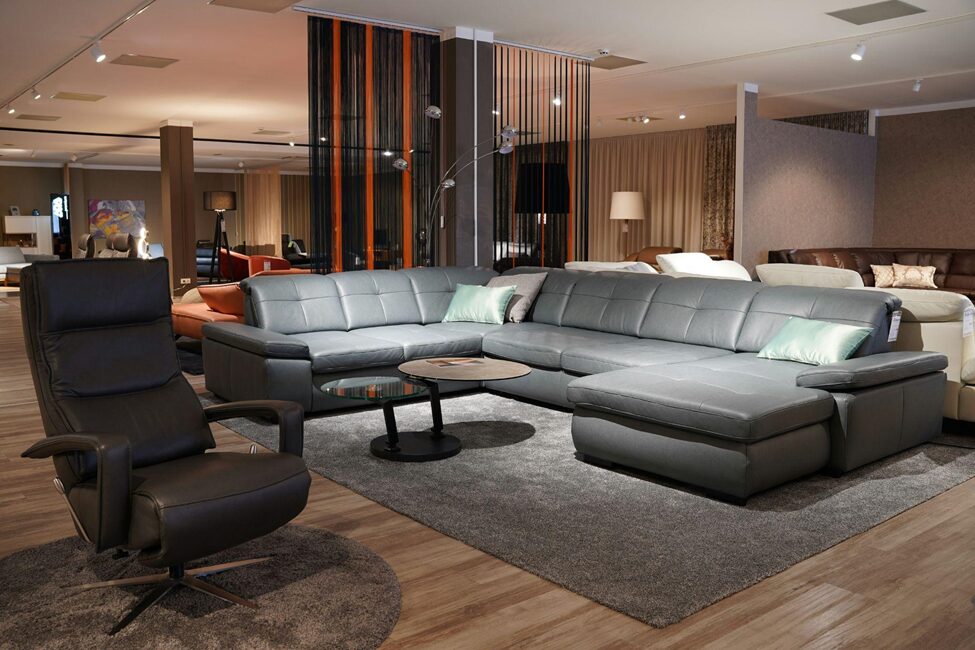
Smart home ecosystems often extend into entertainment and ambience, enabling immersive experiences that engage occupants in new ways. Distributed audio systems can provide consistent sound quality throughout living spaces, while motorised shades, adaptive lighting, and multi-room displays enhance atmosphere at the touch of a button.
For homeowners who value curated experiences, this level of integration transforms environments into adaptable venues for relaxation, socialising, or creative expression. Luxury becomes less about static décor and more about the emotional quality of time spent at home.
The Role of Interoperability
A key factor in the appeal of modern smart home systems is interoperability, the ability for different devices and platforms to work cohesively. Rather than isolated subsystems, luxury installations increasingly rely on unified backbones that connect HVAC, lighting, entertainment, shading, security, and more. This interoperability reduces friction for users and increases the system’s usefulness over time.
Standards and protocols that prioritise compatibility also help future-proof installations, allowing new devices to be added without overhauling the entire system. This modular approach mirrors broader trends in technology adoption, where adaptability and longevity are valued alongside performance.
Human-Centric Design and Wellbeing
Beyond convenience and performance, smart home automation is influencing how spaces support wellbeing. Circadian lighting that adjusts to natural rhythms, air quality monitoring that responds to changes in environment, and stress-minimising soundscapes all reflect a shift toward environments that support physical and emotional health.
Luxury no longer simply signals wealth; it signals intentional design that promotes comfort, rest, and personal flourishing. Smart systems that monitor and adjust environmental conditions contribute to this holistic view of wellbeing.
Accessibility and Inclusion
While the term “luxury” has historically implied exclusivity, some aspects of smart home technology offer accessibility benefits that extend beyond high-end markets. Voice-controlled systems, automated responses, and adaptive interfaces can also support individuals with mobility limitations or sensory sensitivities. In this way, features associated with luxury can intersect with inclusive design principles, broadening the impact of technological innovation.
The Cultural Shift in Residential Expectations
Ultimately, the incorporation of smart technology into everyday life reflects a cultural shift in what homeowners expect from residential spaces. Today’s luxury is less about static displays of wealth and more about personalised, responsive environments that align with individual lifestyles. Homeowners increasingly prioritise seamless experiences, proactive support, and environments that anticipate their needs.
This shift influences not only how homes are built and renovated but also how residents imagine their day-to-day lives. In high-activity, time-sensitive contexts, the value of technology that simplifies routine decisions and enhances comfort becomes clear and compelling.
About the Author