



The first box you unpack in a new house is never the one you planned. It is the kettle, because the kids are tired, or the bath towels, because somebody has to wash off the highway. Every family that has ever rolled up to a new street in Ontario knows this feeling, whether they landed in Cornwall from Montreal, drifted west from Ottawa to Windsor, or simply crossed town for a bigger backyard. Moving is rarely about furniture. It is about the small, slightly awkward week where a new community has to become home.
For many Ontarians, that week is happening more often. Canadians are still shifting between provinces and cities in large numbers, and long-distance moves within the country remain a regular rhythm of family life. If your family is part of that shuffle, a steady plan helps, and so does a steady moving crew. Plenty of Windsor-to-Cornwall and Toronto-to-Kingston families book a long-haul team like Visor Guys to take the truck off their hands, so they can focus on the harder job waiting at the other end, the one nobody packs tape for.
What should a family actually do in the month before moving day?
The month before a move is when the work is quiet but important. Start with a single notebook or shared phone note where every task lives in one place. Sort belongings room by room, not by category, so nothing vanishes between bedrooms. Label boxes with the destination room, not the current one, which saves hours on the other side. Book your movers early, ideally six weeks out for long-distance, because spring and late summer weekends in Ontario fill fast. Recent Statistics Canada population estimates show steady interprovincial and intercity movement across the country, which is one reason reputable moving crews in Ontario get booked out weeks ahead.
Change-of-address paperwork is the part most people underestimate. The official ServiceOntario guide to changing your address for Ontario services walks through driver’s licence, health card, vehicle permit, and business-record updates, each needing its own short task. Federal records, banking, and school registration happen separately and deserve their own afternoon.
How do you pick the right neighbourhood in a new town?
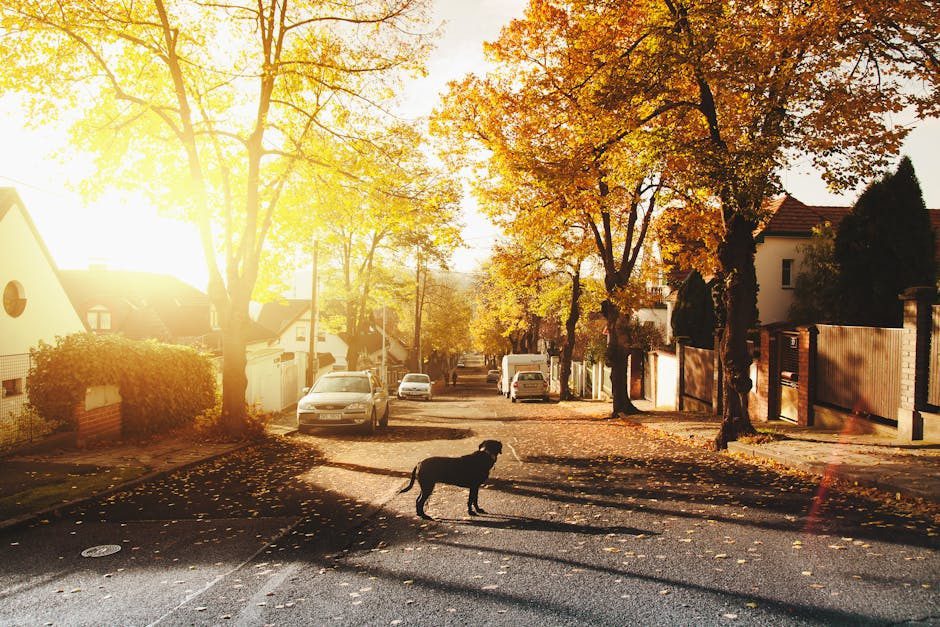
Neighbourhoods reveal themselves slowly. Before you sign anything, visit the area on a weekday morning and a Saturday evening. Listen for traffic, watch for kids on bikes, and notice whether the corner shop is busy. Ontario towns often have sharp character shifts between one block and the next, and the difference between a quiet crescent and a busy artery is not always obvious on a map.
Talk to people who already live there. Local newsmagazines, church bulletins, and community Facebook groups tell you more about the texture of a place than any real-estate listing. The Seeker’s own Meet the Candidates series with Stephen Scott is a good example of how people find their footing in Cornwall by getting involved, asking questions, and showing up at council meetings. Readers who start by turning up at a public forum and eventually run for office are proof that a neighbourhood can absorb you faster than you think.
What does a good long-distance moving day look like?
A good moving day is quiet, which sounds strange but is the honest measure. If the driver arrives on time, if the inventory sheet matches, and if nobody is shouting about a missing wardrobe box, the plan is working. The family’s main job on moving day is to stay out of the way and keep the small humans fed. Pack a cooler with sandwiches, fruit, and water bottles. Put phone chargers, medication, two days of clothing, and any comfort items for children and pets into a suitcase that travels with you, not the truck.
For the crew, clear paths matter. Roll up rugs, tape down loose cords, and prop open doors before they arrive. If you are moving into a building with an elevator, book it in advance. For a house, reserve street parking if the municipality allows it. Tip the crew at the end if the service was good, a practice that is quietly expected in most Canadian cities even though nobody puts it in writing.
How do you help kids and pets feel at home faster?
Children read their parents’ stress levels like a weather report. The calmer you are about the chaos, the calmer they will be. Set up their bedroom first, even before the kitchen, and let them arrange a shelf or a corner the way they want it. Walk to the nearest park within the first forty-eight hours, even if the boxes are still stacked to the ceiling. A familiar swing set is a surprising amount of medicine.
Pets need the same gentleness. Keep cats in one closed room for the first few days with their old bedding, food bowls, and litter box. Dogs benefit from short, repeated walks on the new street so the smells start to map. Register with a local veterinarian within the first month, and update the microchip database with your new address and phone number.
How do you actually meet your new neighbours?
Meeting neighbours in Ontario is less formal than people expect. A wave over the fence, a shared complaint about the weather, or an introduction during a neighbourhood cleanup is usually enough. Local Seeker columns like Fashionably Marlene capture the easy rhythm of small-town encounters, the way a chat at a sidewalk sale becomes a chat about the new family on the corner.
Say yes to the first invitation, even if you are tired. A library card, a farmers’ market walk, and a registration at the local rec centre build a social base within a few weekends. If you have kids, their school and sports teams will pull you into community life faster than you can introduce yourself.
A few things worth remembering
- Pack a first-night bag for every family member and keep it in the car, not the truck.
- Label boxes by destination room, photograph the contents, and number each one on a master list.
- Walk the new neighbourhood on foot in the first week, not just from the car window.
- Change your federal, provincial, and municipal records within the first month, not the first year.
- Accept help when neighbours offer it, and return the favour the first chance you get.
Closing thoughts
A move across Ontario, whether it is Windsor to Cornwall or one side of town to the other, is a small act of faith. You pack the kettle, you hand the keys to the movers, and you trust that the new street will make room for you. Most of the time, it does. The coffee gets made, the kids find the park, and by the second Saturday you already know the name of the dog two houses down. That is the quiet achievement of settling in, and it is worth the boxes.
Frequently Asked Questions
How far in advance should I book a long-distance Ontario mover?
Six weeks ahead is a comfortable window for spring and summer moves. For fall and winter, three to four weeks usually works, but popular weekends still book out early.
What paperwork should I update first after moving?
Start with your driver’s licence and health card at ServiceOntario, then federal records (CRA, passport), and finally your banking, insurance, and school registrations. None of these databases talk to each other.
Should I tip the moving crew?
Yes, if the service was good. Ten to twenty dollars per crew member for a local move, or a bit more for a long-distance haul, is the usual range in Ontario.
How long does it take for a new town to feel like home?
Most families report that the first three months are the hardest, and by month six the routines feel familiar. One full year through all four seasons is usually when a new Ontario town stops being new.
About the Author







![6abe94394c84c[1]](https://theseeker.ca/wp-content/uploads/2026/10/6abe94394c84c1-768x434.webp)