


A dry basement is often taken for granted until the first heavy spring rain or a sudden thaw sends water creeping across the floor. For many homes in the city, the difference between a damp corner and a flooded basement comes down to one piece of equipment working quietly below floor level. Planning a sump pump installation Toronto homeowners can depend on starts with understanding what the pump does, which type suits the property, and how the work is carried out from the first inspection to the final test.
Why Toronto Basements Rely on Sump Pumps
Many Toronto neighbourhoods sit on dense clay soil that drains slowly, so water from rain and melting snow tends to collect around foundations instead of soaking away. In some areas, the groundwater level also rises noticeably in spring, which places steady pressure on basement walls and floors.
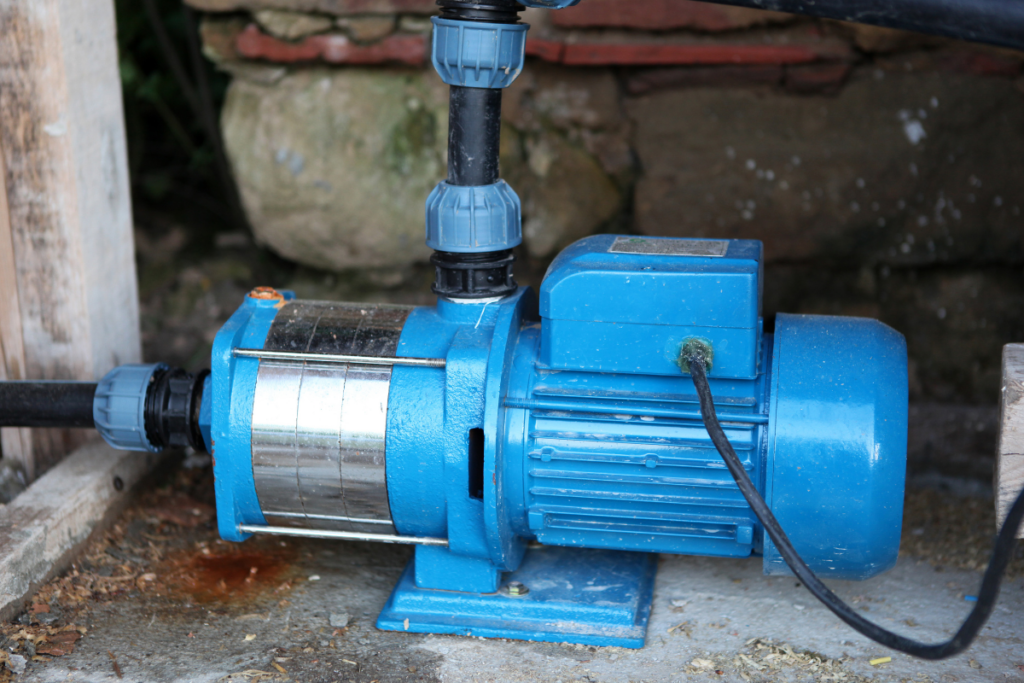
A sump pump manages this water before it reaches the living space. Groundwater collected by the foundation drainage system flows into a pit, called a sump, set into the basement floor. When the water reaches a certain level, a float switch turns the pump on, and the water is pushed through a discharge pipe and away from the house.
Starting with a Home Inspection
A close look at the property is the first stage of any sump pump installation Toronto homeowners book, because a standard pump fitted the same way in every home will not suit every basement. The inspection considers how water currently enters or collects in the basement, the layout of the foundation, the grading of the lot, and where the discharge line can run.
These details shape every decision that follows. A home with a history of water entry after storms may need a different setup from one where the basement has stayed dry so far, and a finished basement raises questions about where the pit can be placed with the least disruption. Searching for “sump pump installation Toronto” often begins after a first flooding scare, but the inspection is what turns that concern into a clear plan.
Submersible and Pedestal Pumps Compared
The two main types of sump pump work in the same basic way, but they are built differently. A submersible pump sits inside the pit, beneath the water. Because the motor is sealed and surrounded by water, it runs more quietly and can usually handle larger volumes, which makes it a common choice for finished basements and homes with frequent water inflow.
A pedestal pump keeps its motor above the pit on a vertical shaft, with only the base in the water. The motor stays dry and easy to reach, which simplifies maintenance and often gives the pump a longer working life. The trade-off is noise, since the motor sits in the open. Choosing between the two depends on the inspection findings, the expected water volume, the size of the pit, and how the basement is used day to day.
Where the Water Goes
A sump pump is only as effective as the route its discharge line takes. Water pumped out of the pit needs to be directed far enough from the foundation that it does not soak back into the soil and return to the sump, which would leave the pump cycling over and over.
The connection point matters as well. Local rules generally do not allow groundwater from a sump pump to be discharged into the sanitary sewer, which carries household wastewater to treatment plants. Extra water in that system can contribute to sewer backups during storms. The discharge is usually directed to the lawn, a suitable drainage area, or a storm connection where permitted. Confirming that the discharge meets these requirements is a standard part of the sump pump installation Toronto property owners should expect.
Building Codes and a Proper Fit
Installation involves more than placing a pump in a hole. The pit needs to be the right size and depth, the pump has to sit level so the float switch moves freely, and a check valve on the discharge pipe prevents pumped water from flowing back into the pit each time the motor stops.
Electrical safety is part of the job too, since the pump runs in a wet environment and needs a properly grounded power supply. Following local building codes and quality standards at each step helps the system work reliably and keeps the installation in line with municipal requirements. A careful sump pump installation Toronto families schedule before the wet season also leaves time to correct any issues found along the way.
Testing and Learning How the System Works
Once the pump is in place, it should be tested under realistic conditions. Water is added to the pit to confirm that the float switch triggers the pump at the right level, that water moves out through the discharge line without leaks, and that the pump shuts off as expected once the pit is emptied.
The handover is equally important. Homeowners should leave the appointment knowing where the pump is located, how to check that it is working, which sounds are normal, and what warning signs to watch for. This short walkthrough makes it far easier to spot a problem early instead of discovering it during a storm.
Common Reasons Sump Pumps Fail
Power outages are one of the most common causes of sump pump failure, and they often happen during the same storms that send the most water toward the foundation. Knowing that the pump depends on electricity, and checking it after any outage, helps avoid an unpleasant surprise in the basement.
Other causes include a float switch that sticks against the side of the pit, debris that clogs the intake, a frozen or blocked discharge line in winter, and a pump that is too small for the volume of water it has to move. Age plays a part as well, because motors and switches wear out over time. A pump that runs constantly, makes unusual grinding noises, or does not turn on during testing usually needs attention from a professional.
Keeping the Pump Ready between Storms
Pouring a bucket of water into the pit every few months, particularly before the spring thaw, confirms that the pump still turns on and drains the sump. Keeping the pit cover in place prevents debris from falling in, and clearing the area around the discharge outlet outside stops snow or leaves from blocking it.
Noting how often the pump runs during wet weather also helps. A sudden change, such as a pump that cycles far more often than in previous years, may point to a drainage problem around the foundation or a fault in the pump itself.
Working with an Experienced Installer
The value of a sump pump only becomes clear on the day it is needed, which is why the planning and installation deserve as much care as the equipment. At Drain Express, a locally owned plumbing and drain company that has served the Greater Toronto Area for more than twenty years, each installation begins with a home inspection, follows local building codes, and ends with full testing and a walkthrough for the homeowner. The company is licensed and insured, and its installations come with a warranty.
A sump pump installation Toronto homeowners complete before the wet season gives the basement steady protection through spring thaws and summer storms, and it turns flood protection into something planned rather than something handled in an emergency.
About the Author