Happy October, everyone!
We’re back with another edition of Ask Anna, where we answer your gardening questions! This month, we’re tackling a common fall gardening question: “What plants can I prune in the fall?”
As the garden winds down for the season, it can be tempting to cut everything back. But some plants are best left standing until spring, while others can be safely cleaned up now.
Echinacea & Rudbeckia: I usually leave the flower heads of Echinacea and Rudbeckia standing through the winter. The seeds provide a valuable food source for birds, and the dried flowers add some winter interest to the garden. However, if you want to prevent seeds from spreading into other flower beds, you can remove the flower heads in the fall.
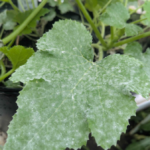
Bee Balm (Monarda): By this time of year, powdery mildew has often appeared on Bee Balm, making it look like snow has already arrived! You can cut Bee Balm back close to the ground in the fall, and it will emerge again in spring. Any diseased leaves or stems should be removed and disposed of rather than left in the garden. I recommend putting diseased material in the green bin rather than your compost to help prevent disease spores from lingering.
Hostas & Daylilies: Hostas and Daylilies can both be cut back to ground level once their foliage has died back. Don’t worry if you don’t get around to it in the fall—you can always clean them up in the spring. These plants are very hardy, so there’s no need to stress about getting it perfect! If you’re looking to divide them, spring is generally the easiest time, before the new leaves emerge.
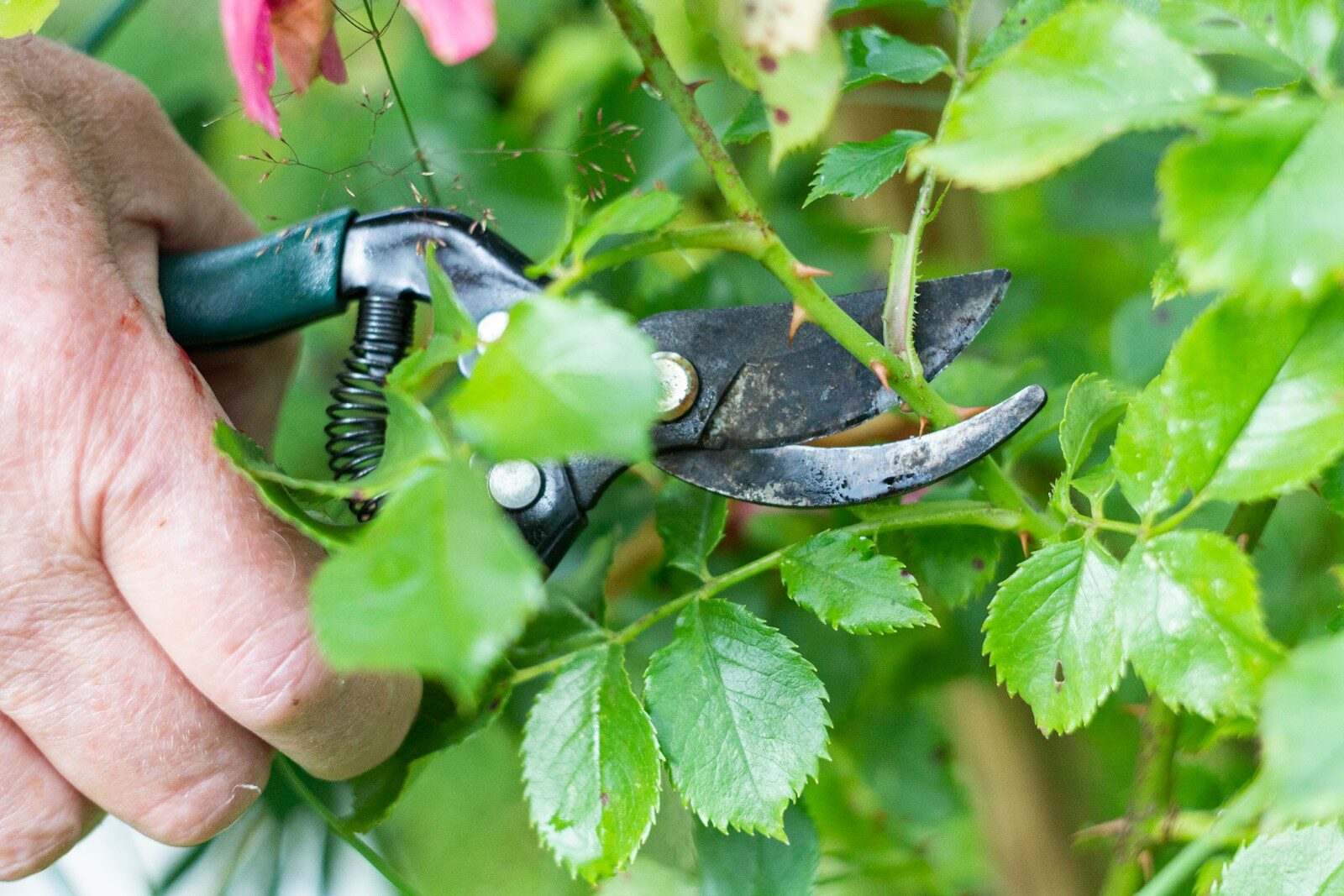
Roses: Fall is a good time to remove spent rose flowers. You can also add some protection around the crown of your roses to help them overwinter more successfully.
Peonies: Once Peony foliage has turned brown and taken on its fall colour, you can cut the plant back to the ground. If you have a tree peony, however, avoid pruning it back like a regular peony.
Ornamental Grasses: Hold off on cutting back your ornamental grasses! It’s best to wait until late winter or early spring, around March. Leaving them standing helps protect the crowns from winter frost and also provides some beautiful winter interest.
Lavender: Lavender can be pruned by about one-third of its size. The flowers you remove can be saved and dried to enjoy indoors. If your plant has a very woody base, avoid cutting into the woody stems. Instead, trim the more tender branches. You’ll see new green growth in the spring.
Hydrangeas: I usually only prune Hydrangeas in the fall if I want to bring some flowers indoors to dry and enjoy. However, large, heavy flower heads can collect ice and snow during winter, putting extra weight on the branches and potentially causing them to bend or snap. Removing some of these blooms can help reduce that weight.
Happy fall gardening, everyone! And remember, you don’t have to tidy everything up perfectly, the garden can still provide food, shelter, and beauty throughout the winter!
If you have gardening questions or need advice, feel free to reach out! You can send your questions to me at [email protected] with the subject line “Ask Anna,” and I’ll happily feature your questions in next month’s Seeker NewsMagazine.
About the Author