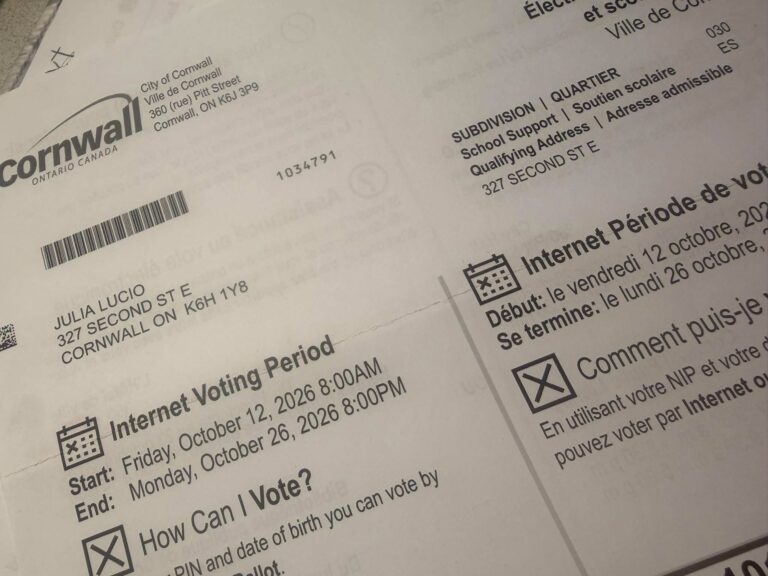

Municipal election season has arrived once again, and if you’ve been following the news, you already know this one has been anything but predictable. Candidates have been entering, leaving, and occasionally re‑entering the race with the enthusiasm of someone trying to find the shortest line at the grocery store. And with so many new faces stepping forward, voters have more choice than ever — which is wonderful, but also means we all have a bit more homework to do.
Back when I was teaching, I used the CIVIX portal to run mock elections in the classroom. Some schools in Cornwall and the surrounding area may be participating again this year. My students took their roles seriously — sometimes more seriously than the adults — studying candidates, weighing issues, and debating passionately about topics that mattered to them. Four years ago, Sunday bussing was the hot-button issue. It took time, but look at that: it’s here now. Proof that even the concerns of 10‑year‑olds can shape the future.
When it came time to “vote,” I encouraged my students to look closely at the candidates and ask themselves whether they felt represented — in gender, religion, race, beliefs, ideas, or simply in the way a candidate spoke about the community. And every year, I was amazed at how closely the school results mirrored the real ones. Students may not get to cast official ballots, but they certainly know how to read a candidate.
This year, as a border community, we’re facing a wide range of issues. My article isn’t long enough to unpack them all — and you don’t need me to tell you what matters most to you — but I do encourage every voter to listen carefully to what candidates are proposing for our city’s future. And just as importantly, take a moment to understand what the Mayor and Council can actually do. Some candidates seem a little unclear on the limits of municipal power, and it’s worth knowing what’s realistic and what’s… aspirational.
Both of my grandfathers were veterans who fought for this country. As their descendant, I’ve always recognized and appreciated the sacrifices they made. One small act of gratitude we can all offer — one that costs nothing but a few minutes of our time — is to vote. It’s simple, it’s powerful, and it’s the most direct way to have your voice heard.
Because here’s the truth: you can’t complain about the results if you didn’t show up. Democracy works best when we all participate.
That’s my story — what’s yours?
About the Author