
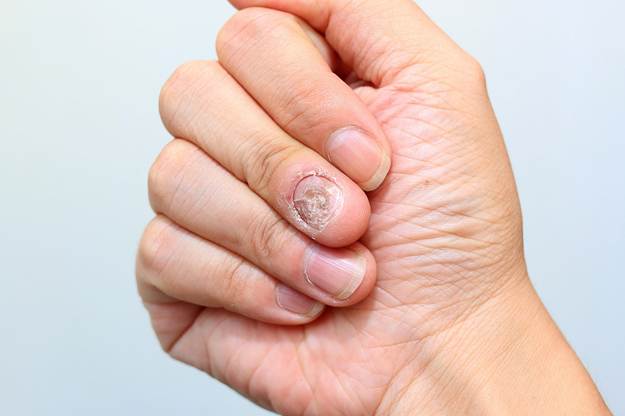
Nail fungus often starts quietly. One small change in color, a little thickening, or a nail that no longer looks healthy can be easy to ignore. Many people brush it off as a cosmetic issue, but over time, that small problem can turn into discomfort, embarrassment, and even pain. The tricky part is knowing when a nail fungus infection can be handled safely at home and when it’s a sign that professional care is needed. Understanding this difference early can save time, money, and frustration while protecting the long-term health of your nails.
What Nail Fungus Really Looks Like in the Early Stages
In the beginning, nail fungus rarely causes pain, which is why it’s often ignored. You might notice white or yellow spots forming near the tip of the nail or along the sides. As the infection settles in, the nail may become dull, brittle, or slightly thicker than usual. These early changes usually happen slowly, sometimes over months, making them easy to overlook.
At this stage, the infection is often limited to the outer layers of the nail. The nail bed underneath is still mostly healthy, and the fungus hasn’t deeply embedded itself. This is the window where many people successfully manage the condition on their own. Consistency matters here, because stopping care too early can allow the fungus to return stronger than before.
When Home Care Is Usually Enough
Home care can be effective when the nail fungus is mild, slow-moving, and not causing pain. If the nail is discolored but still firmly attached, and there’s no swelling or redness around the skin, home treatment for nail fungus is often reasonable. Patience is essential, since nails grow slowly and visible improvement can take weeks or even months.
Natural approaches are popular because they’re gentle and easy to fit into daily routines. Oils, proper nail hygiene, and moisture control all play a role in limiting fungal growth. Some people also focus on improving circulation and foot hygiene, which helps prevent the fungus from spreading to other nails.
Many readers look for trusted guidance from sources like Healing Natural Oils when choosing supportive care methods. These resources often focus on realistic expectations and long-term habits rather than quick fixes. When home care is done consistently and symptoms stay mild, many people see gradual improvement without needing medical intervention.
Signs the Infection Is Getting Worse
Nail fungus doesn’t always stay mild. Over time, the nail can become thick, crumbly, and difficult to trim. The color may deepen into yellow-brown or even black, and the nail may start lifting away from the nail bed. These changes usually mean the fungus has moved deeper and is harder to treat without professional help.
Pain is another important signal. If walking, wearing shoes, or touching the nail causes discomfort, the infection may be affecting the surrounding tissue. Redness, swelling, or warmth around the nail can suggest inflammation or a secondary bacterial infection, which should never be ignored.
When multiple nails are infected, or when the condition keeps returning despite careful home care, it’s a sign that something more is going on. Underlying issues like diabetes, circulation problems, or a weakened immune system can make nail fungus more stubborn. In these cases, delaying medical advice can lead to longer recovery times and more complicated treatment.
When Seeing a Doctor Is the Best Choice
A doctor visit becomes important when nail fungus starts interfering with daily life or shows no improvement after months of home care. Medical professionals can confirm whether the issue is truly fungal, since nail injuries and skin conditions can look similar. Proper diagnosis prevents wasted time on treatments that won’t work.
Doctors may suggest prescription treatments that reach deeper layers of the nail. These options are often more effective for advanced infections, especially when the nail bed is involved. Monitoring is also important, as some treatments require follow-up to ensure safety and effectiveness.
Seeing a doctor is especially important for people with diabetes, poor circulation, or nerve issues in the feet. Even a minor nail problem can turn serious if left untreated. Professional care doesn’t mean you failed at home treatment; it means you’re choosing the safest path to protect your overall health.
Finding the Right Balance for Healthy Nails
Treating nail fungus is rarely about choosing one approach forever. It’s about responding to what your nails are telling you. Mild changes caught early can often be managed with steady home care, while worsening symptoms call for expert support. Paying attention, acting early, and adjusting when needed makes all the difference.
Nail health reflects daily habits, from hygiene to footwear choices. Staying informed and realistic helps you avoid frustration and prevent future infections. With the right timing and care, healthy nails are an achievable goal rather than a constant struggle.
About the Author