

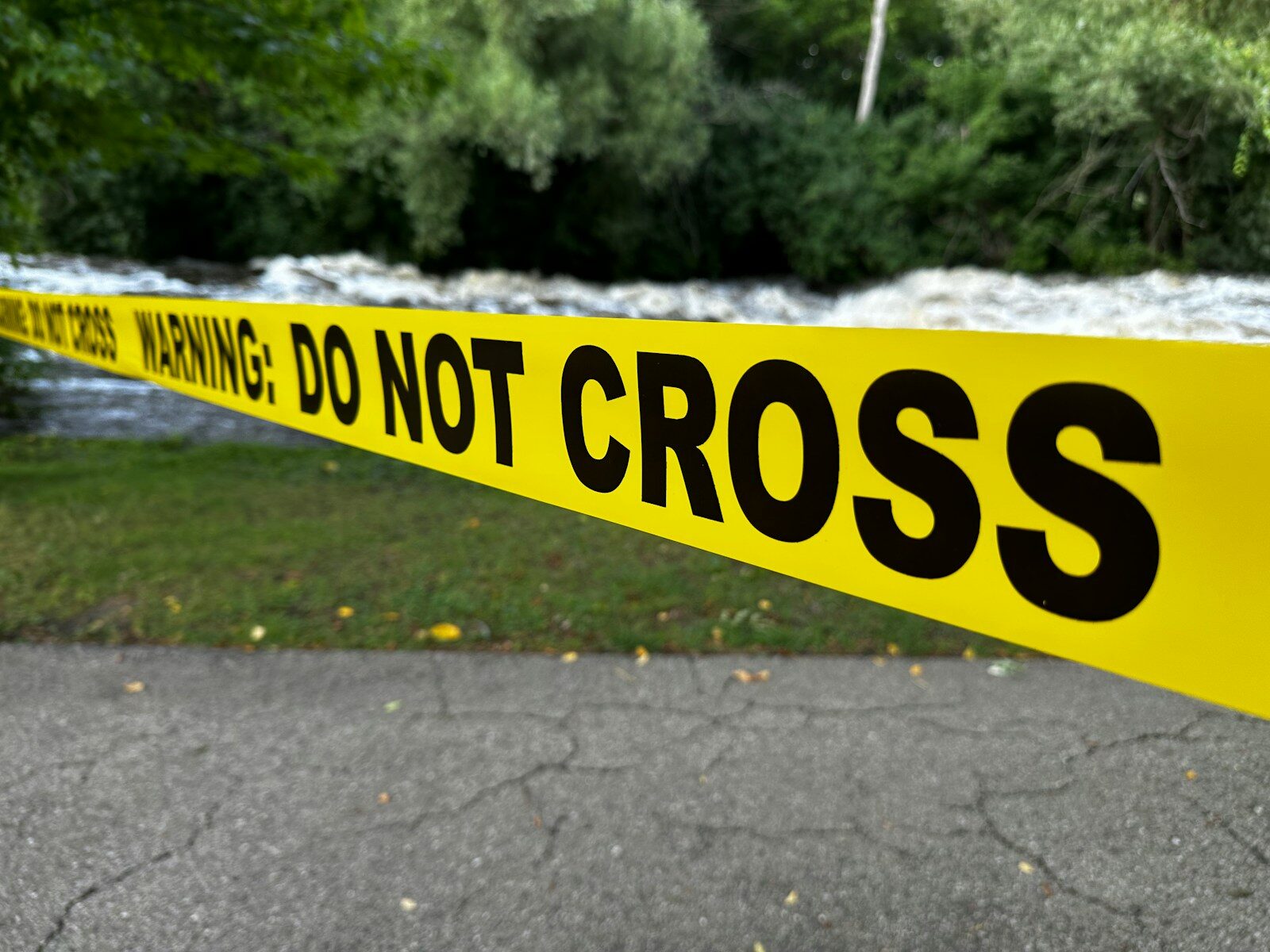
Wednesday afternoon. Montreal Road, east of St. Felix. Around 1 p.m.
Cornwall police got the call first as a “weapons incident.” By the time it was done, one person was dead and another was in hospital with life-threatening injuries. Schools nearby went into lockdown. Police said around 2:30 that things were contained.
Contained. What a word.
This is a regular stretch of a regular city. People shop there. Kids walk to school there. It’s not some abstract neighbourhood in a news report from somewhere else. It’s here. And on a Wednesday afternoon, someone got shot dead on it.
CBC is reporting the incident may involve a suspected suicide, which adds a whole other weight to this. We still don’t know if this was targeted, if it came out of a domestic situation, if it escalated from something that probably could have gone a different way. Police haven’t said, and that’s fair, that’s how these things go early on.
But it seems to be part of an increasing trend of violent incidents, and it worries me.
This is the second serious shooting in Cornwall in 2026. January, on Leitch Drive, an 81-year-old man shot his ex-partner and her friend before turning the gun on himself. Two men died. A woman was seriously hurt. Police called it intimate partner violence, the story ran for a few days, and then it kind of disappeared from the conversation the way these things tend to.
Also, earlier this year, there was another incident involving arson that could have resulted in a third homicide had it not been from the quick actions of our police force.
And now here we are again.
Cornwall just crossed 54,000 people according to the latest Statistics Canada estimates. We are a growing city, which is something. But it’s still a place where you can drive the whole thing in ten minutes on a good day, where people know people, where a shooting on Montreal Road isn’t a statistic in a chart, it’s something that happened near your kid’s school. That proximity is different from reading about a shooting somewhere far away. It lands differently.
I’m not trying to get ahead of the facts. We genuinely don’t know enough yet to say what this was or what it means. Maybe it turns out to be something very specific to the people involved, something that couldn’t have been predicted or prevented.
Maybe.
But two shootings in four months. Kids sitting in locked classrooms on a Wednesday wondering what’s happening outside. One person who woke up yesterday morning and didn’t make it to Thursday.
At some point “isolated incident” starts to feel less like a description and more like a way of not asking harder questions. And one of the questions I keep coming back to is this: what happens when someone in this city actually tries to get help?
Because in Cornwall, like in most of Eastern Ontario, the answer is often: you wait. You call, you get a referral, you go on a list. The Canadian Mental Health Association has been raising the alarm about rural and small-city wait times for years. In some parts of this province people are waiting up to twelve months or more just to see a therapist for the first time. That’s a long time when someone is not okay. It’s the difference between a person getting support and a person having a mental break down.
Yesterday, the CMHA ran one of their biggest fundraisers of the year. And on the same Wednesday that fundraiser is running in the background, somebody on Montreal Road may have been in the kind of crisis that requires immediate help. CMHA is doing the work with the resources they have. That’s not irony for irony’s sake. That’s the gap, right there, between awareness and actual access.
And the thing that really gets me is that people are trying. They’re picking up the phone, they’re asking for help, which is supposed to be the hard part, right? That’s what we always say. Just reach out. Just ask. But then they ask and they get told it’ll be a many months. And then what? You go back home and you wait and you hope you can hold on that long? A lot of people can. Some people can’t.
We don’t know yet if that’s part of what happened here. Maybe it isn’t. But it’s hard to look at an incident that may have ended with a suspected suicide and not think about what the mental health system actually looks like on the ground in this region for someone who’s struggling and trying to find a door that’s open.
The Cornwall Police Service will have more as the investigation moves forward. Names haven’t been released. There’s still a lot we don’t know.
But somewhere in this city today, there’s a family that got the worst call of their lives yesterday. And there are kids who had a Wednesday they’re going to remember for a long time.
That shouldn’t just be a news cycle. It should be a real conversation. About what we’re doing, and what we’re not doing, for people before they end up on Montreal Road.
About the Author