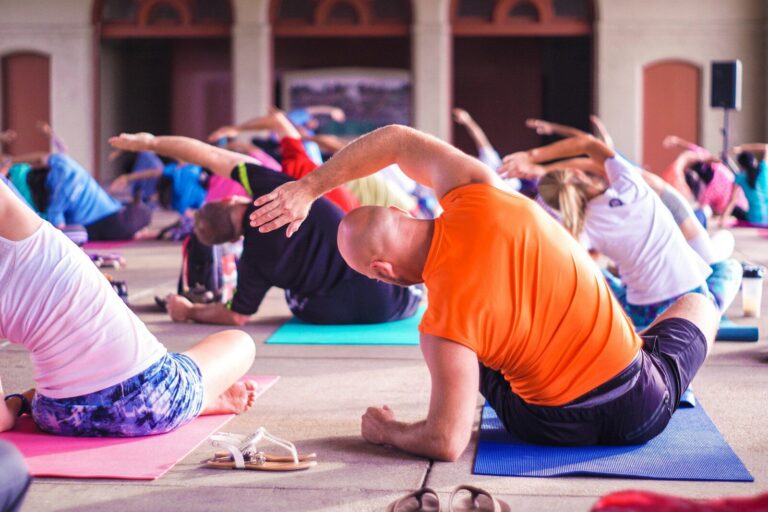



Weekends often become recovery time after a busy workweek. Unfortunately, they can also turn into long periods of sitting. Small changes to how you spend those two days can improve cardiovascular fitness, mobility, and mental well-being without requiring a structured training program.
According to the World Health Organization, nearly 31% of adults worldwide did not meet recommended physical activity levels in 2022, increasing their risk of chronic disease.
Adding movement throughout the weekend is often more sustainable than relying on weekday workouts alone.
Build Activity Around Recreation
Exercise does not need to happen inside a gym. Recreational activities naturally increase movement while making it easier to stay consistent.
Good options include:
- Hiking local trails
- Cycling through parks or neighborhoods
- Playing tennis or pickleball
- Swimming
- Backyard lawn games with family and friends
Games are particularly effective because they combine moderate physical activity with social interaction. Organizing a weekend tournament becomes even more engaging when teams wear matching custom cornhole jerseys. The added team identity encourages participation and helps turn occasional games into regular weekend traditions.
Focus on Total Movement Instead of Workout Time
Many people believe activity only counts if it comes from a formal workout. That assumption limits overall movement.
Exercise scientists often describe total daily energy expenditure as the combination of structured exercise and non-exercise activity. Walking, gardening, carrying equipment, cleaning, and recreational games all contribute.
Instead of scheduling one long workout, spread movement throughout the day.
For example:
- Walk to breakfast instead of driving.
- Take a 30-minute afternoon bike ride.
- Spend an hour gardening.
- Play outdoor games before dinner.
These sessions accumulate meaningful physical activity while reducing prolonged sedentary periods.
Add Functional Strength Activities
Weekends provide time to perform movements that improve everyday function.
Functional exercises develop multiple muscle groups simultaneously while reinforcing balance and coordination.
Examples include:
- Carrying heavy grocery bags
- Bodyweight squats
- Push-ups
- Step-ups on outdoor stairs
- Farmer carries
- Lunges while walking
These movements improve joint stability and muscular endurance while requiring little or no equipment.
Unlike isolated machine exercises, functional movements better replicate real-world physical demands.
Explore Your Community on Foot
Many cities offer walking trails, waterfront paths, conservation areas, and historic districts that encourage exploration.
Walking longer distances has several advantages.
It produces relatively low joint stress.
It supports cardiovascular health.
It improves circulation.
It also creates opportunities to disconnect from screens.
Instead of planning a destination, choose a route that includes parks, markets, or scenic viewpoints. The experience becomes part exercise and part local discovery.
Turn Household Projects Into Physical Activity
Weekend chores often involve more movement than people realize.
Tasks like painting, landscaping, pressure washing, or reorganizing storage areas require repeated lifting, carrying, bending, and walking.
Approach these projects with proper movement mechanics.
Lift with the legs.
Keep loads close to the body.
Alternate repetitive tasks to reduce fatigue.
Taking short hydration breaks helps maintain performance throughout longer projects.
Schedule Active Social Time
Social gatherings frequently revolve around restaurants or television.
Replacing passive entertainment with movement changes the dynamic without sacrificing time together.
Consider activities such as:
- Community charity walks
- Family bike rides
- Outdoor fitness classes
- Recreational sports leagues
- Cornhole tournaments
- Nature photography walks
The social commitment increases accountability while making physical activity feel less like exercise.
Improve Recovery Between Activities
An active weekend should also include recovery.
Recovery allows muscles to repair while reducing soreness before the new workweek begins.
Simple recovery strategies include:
- Gentle stretching after activity
- Adequate hydration
- Protein-rich meals
- Seven to nine hours of sleep
- Light walking instead of remaining seated
Mobility work also helps maintain joint range of motion after longer hiking trips or recreational sports.
Create a Weekend Activity Routine
Consistency matters more than intensity.
Rather than choosing random activities every weekend, establish a repeatable schedule.
For example:
- Saturday morning walk
- Midday outdoor project
- Afternoon recreational game
- Sunday cycling session
- Evening recovery stretching
Repeating similar habits reduces decision fatigue while making physical activity automatic.
The goal is not to maximize exercise. It is to make movement a normal part of the weekend.
Small, repeatable changes accumulate over time. Walking farther, choosing active hobbies, completing physical household projects, and spending more time outdoors all contribute to better health. When weekends become opportunities to move instead of recover from sitting, staying active feels less like another obligation and more like part of everyday life.
About the Author