

Quick summary: A new driveway, an outdoor kitchen, or a full backyard overhaul is a serious investment, not a weekend project. Before you get quotes or start picking materials, here’s what actually goes into planning a large-scale outdoor project the right way.
Every summer, driveways get torn up, backyards turn into construction sites, and homeowners across Ontario take on projects far bigger than a flower bed or a fresh coat of deck stain. Interlock driveways, patios, retaining walls, outdoor kitchens, and inground pools all fall into a different category entirely: real construction, with real permitting, engineering, and budgeting considerations. Here’s what’s worth understanding before you commit.
Start With What “Large-Scale” Actually Means
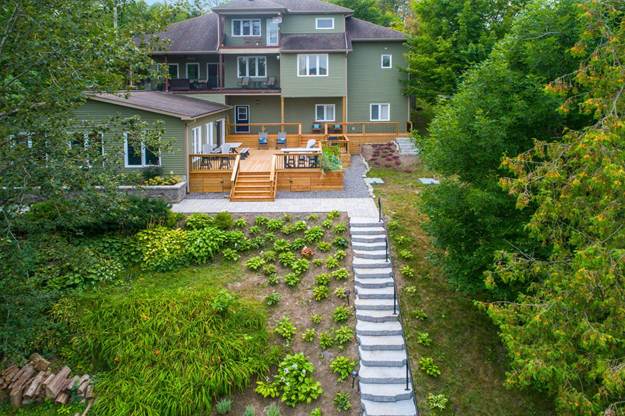
A large-scale outdoor project generally involves excavation, structural work, or permanent changes to your property, not just cosmetic upgrades. Think:
- Interlock or heated driveways
- Retaining walls and structural stonework
- Patios, porches, and custom decks
- Outdoor kitchens and permanent backyard builds
- Inground swimming pools
These projects share a common thread: once the ground is disturbed and the base work is done, mistakes are expensive and difficult to fix. That’s exactly why the planning stage matters more here than it does for smaller home projects.
Budget for What You Can’t See
The most common surprise homeowners run into isn’t the visible finish, it’s what happens underground. Excavation, drainage, and base preparation often account for a significant share of the total cost, even though none of it is visible in the final result. A driveway or patio that looks identical to a cheaper alternative on day one can perform very differently five winters later if the base wasn’t properly prepared for freeze-thaw cycles.
When comparing quotes, ask specifically about base depth, drainage planning, and material grading, not just the finished surface. A noticeably lower quote is often lower because it’s cutting corners on exactly these steps. For homeowners who want the technical detail, CMHC’s guide to surface drainage, driveways, and walkways breaks down what proper base preparation actually involves and why it matters for long-term durability in a Canadian climate.
Permits Are Not Optional (Even If a Neighbor Skipped Theirs)
Depending on the scope of the project, municipalities often require permits for retaining walls above a certain height, pool installations, and any work that alters drainage or grading on your property. Skipping this step can mean fines, forced removal of completed work, or complications when you eventually sell your home. Cornwall homeowners can confirm exactly what’s required directly through the City of Cornwall’s Building Permits page, which outlines the application process and connects you with the Building Services team before you sign a contract.
Understand the Difference Between a Landscaper and a Full-Service Contractor
Not every landscaping company is equipped to handle structural, large-scale work. Planting, sod installation, and garden design require a different skill set than excavation, concrete work, and pool construction. For bigger projects, it’s worth looking specifically for a contractor experienced in full outdoor construction rather than assuming any landscaping company can scale up.
Artech Landscaping & Construction, for example, specializes specifically in large-scale outdoor projects, including interlock and heated driveways, retaining walls, outdoor kitchens, and custom pool installations, using in-house crews for every phase rather than subcontracting out the structural work. They serve the Toronto and Greater Toronto Area, so homeowners outside that region should look for a comparably experienced, full-service contractor closer to home, ideally one who can walk you through base preparation and drainage planning the same way.
Questions Worth Asking Before You Sign Anything
- Does the quote include excavation and base preparation, or only the visible finish?
- Who is responsible for pulling any required permits?
- Is the crew in-house, or will parts of the project be subcontracted?
- What warranty applies to structural work versus surface materials?
- How does the design account for drainage and freeze-thaw conditions specific to your property?
A contractor who answers these clearly and specifically, rather than vaguely, is generally a good sign you’re dealing with a team that’s done large-scale work before.
The Bottom Line
Large-scale outdoor projects reward patience at the planning stage. The base work you’ll never see is what determines whether your investment holds up for one winter or twenty. Take the time to ask the right questions, confirm permitting requirements with your municipality, and choose a contractor with real structural experience, not just landscaping experience, before a single shovel goes into the ground.
About the Author


![6abe94394c84c[1]](https://theseeker.ca/wp-content/uploads/2026/10/6abe94394c84c1-150x150.webp)