

Achieving a uniform temperature across every floor of a multi story residence is often difficult. Because warm air moves upward, higher levels frequently reach higher temperatures than lower levels. Spaces also fluctuate in warmth based on the amount of solar radiation they receive through windows. Residents can enhance indoor comfort – managing air movement, thermal barriers, ventilation channels and the functional state of mechanical systems.
Identify Thermal Disparities
Residents should first determine which specific rooms lack thermal consistency. Walking through each floor at various times of the day allows residents to observe if bedrooms or hallways are disproportionately warm or cool – these observations indicate if issues stem from air circulation, sunlight exposure or the mechanical system itself.
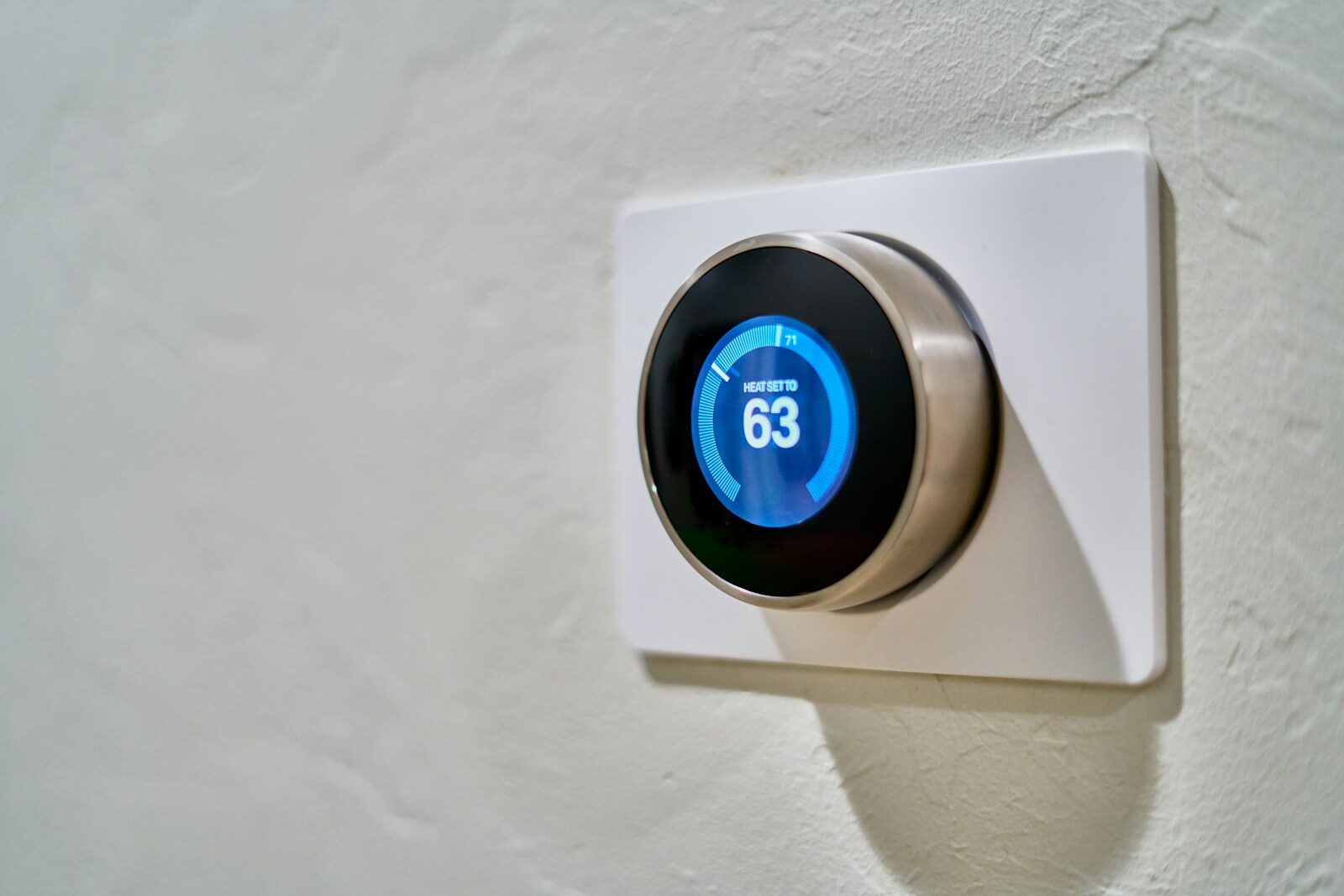
Smart thermostats offer data regarding how heat fluctuates over time. If different floors maintain different levels of warmth, a single control unit is likely insufficient. Gathering specific data on when and where these variations happen provides a precise basis for system modifications.
Enhance Air Circulation
Consistent airflow stabilizes temperatures across separate levels of a building. Residents often inadvertently block ventilation grates with wooden desks or heavy fabric curtains – these barriers stop cooled or heated air from entering a living space. Moving such objects away from the vents ensures that air circulates without interference – this practice minimizes the thermal difference between the basement and the attic.
Ventilation channels must also distribute air effectively to every corner of the structure. Metal ducts that are too narrow, leaking or uninsulated fail to transport air to distant rooms. Repairing the distribution network ensures that conditioned air reaches its destination without frequent manual changes to the thermostat.
Improve Thermal Barriers
Insulation materials regulate the speed at which a building gains or loses heat. Upper stories are often excessively warm or cold because the material between the living area and the roof is insufficient. Installing thick fiberglass or cellulose in the attic is a method that blocks solar heat from entering the rooms during summer – this material is also a barrier that keeps warm air inside the structure during winter.
Outer walls and floors also require sufficient materials to resist temperature changes. During construction projects, residents should check for areas where indoor air escapes or outdoor air enters. Dense insulation makes mechanical systems more efficient and ensures interior spaces remain at an even temperature.
Seal Air Gaps
Small cracks around window frames, doors and pipes allow outside air to seep into the residence – these drafts are often more prominent on top floors because of internal pressure changes. Closing the openings ensures that treated air stays inside the intended rooms.
Residents use caulk and weatherstrips to block narrow spaces that allow unintentional airflow. Large openings located near the attic or ventilation pipes are often difficult to close plus require comprehensive sealing techniques. Building components are more efficient when the structure prevents air leaks. Specific sealing methods assist the insulation layers and ensure that the heating or cooling systems operate with less mechanical effort.
Evaluate Cooling Capacity
Mechanical equipment must be sized according to the total square footage and the floor plan of the residence. An undersized unit fails to cool the space during high summer temperatures. A unit that is too large turns on and off too quickly, which prevents it from removing humidity or cooling the air evenly.
Structural changes or room additions can alter the cooling needs of the residence. Residents planning projects, like air conditioning installation London, should evaluate the cooling demands of the entire building. Selecting equipment with the correct output capacity ensures that comfort remains stable across every level.
Service Mechanical Systems
Routine inspections ensure that heating and cooling units function according to their design. Clogged filters and damaged parts lower the efficiency of the system and highlight temperature imbalances. Swapping filters and removing debris from the outdoor unit are simple ways to maintain performance.
Sudden changes in room temperature often signal a mechanical failure. If a specific area becomes unexpectedly warm, a professional air conditioner repair is necessary. Fixing mechanical problems immediately prevents a total system failure and maintains comfort on every floor.
Conclusion
Controlling the temperature in a multi story residence involves more than adjusting a dial. Consistent comfort is the result of unobstructed air paths, thick insulation, airtight walls and well maintained machinery. By identifying the specific causes of heat variation, residents can create a stable and efficient environment throughout the entire structure.
About the Author


![6abe94394c84c[1]](https://theseeker.ca/wp-content/uploads/2026/10/6abe94394c84c1-150x150.webp)