
Modernising older buildings has become an increasingly important topic recently, both for safety reasons and for the protection of architectural heritage. Often, altering the external appearance of a structure is not an option, which is why technologies that allow internal strengthening are gaining significance. One of the most effective and least invasive approaches involves solutions based on mixed materials.
Protecting load-bearing elements without altering the structure
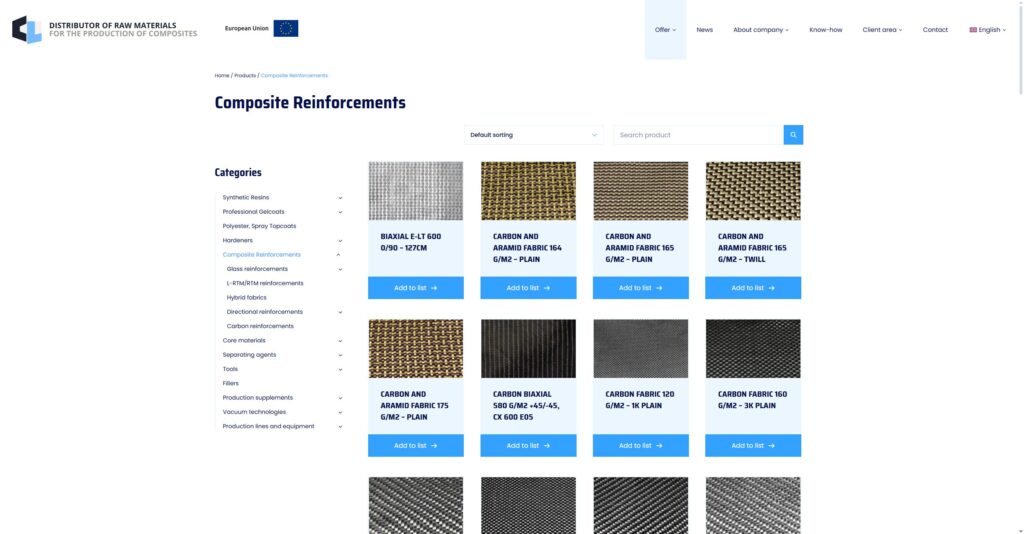
In older buildings, the most common issue is the reduced capacity of floors, beams and columns. Often, these elements cannot be replaced, only modified to ensure the safety of the entire structure. This is where C-L composite reinforcements (explore the full offer at c-l.eu/composite-reinforcements/) come into play, allowing an increase in strength without adding weight or altering geometry. Installation involves bonding carbon, glass or aramid fibre tapes or mats using specialised epoxy resins.
Applications in floors and vaults
Floors and vaults are particularly vulnerable to overloads resulting from changes in building use. In such situations, composite reinforcements can be installed on the underside of the element, which does not affect the exterior appearance of the structure. Thanks to high adhesion and material strength, load-bearing capacity can be significantly improved without reconstruction. This technology is widely used in historic buildings where altering the external form is impossible or legally prohibited.
Improving the safety of walls and lintel beams
In many older structures, load-bearing walls and lintels have weakened due to long-term loads or moisture changes. Applying composite reinforcements makes it possible to secure these elements effectively without introducing additional supports. The material can be applied locally or across larger surfaces, depending on requirements, and its flexibility allows it to conform to uneven substrates. Importantly, this method does not require taking the building out of service for extended periods.
Resistance to external factors and long-term durability
One of the key advantages of this technology is its longevity. Composite reinforcements show resistance to moisture, UV radiation and corrosion, allowing them to function for decades without losing their properties. Their use does not require additional protective coatings or maintenance, which reduces operational costs. As a result, this technology is considered one of the most efficient and durable solutions for modernising buildings of significant historical value.
Modern technologies supporting the longevity of historic structures
Today’s strengthening methods make it possible to combine tradition with modern engineering, improving safety without compromising the original character of the building. Properly designed composite reinforcements help preserve architectural authenticity while meeting contemporary strength standards. This demonstrates that technological progress can support heritage protection rather than threaten it.
About the Author