


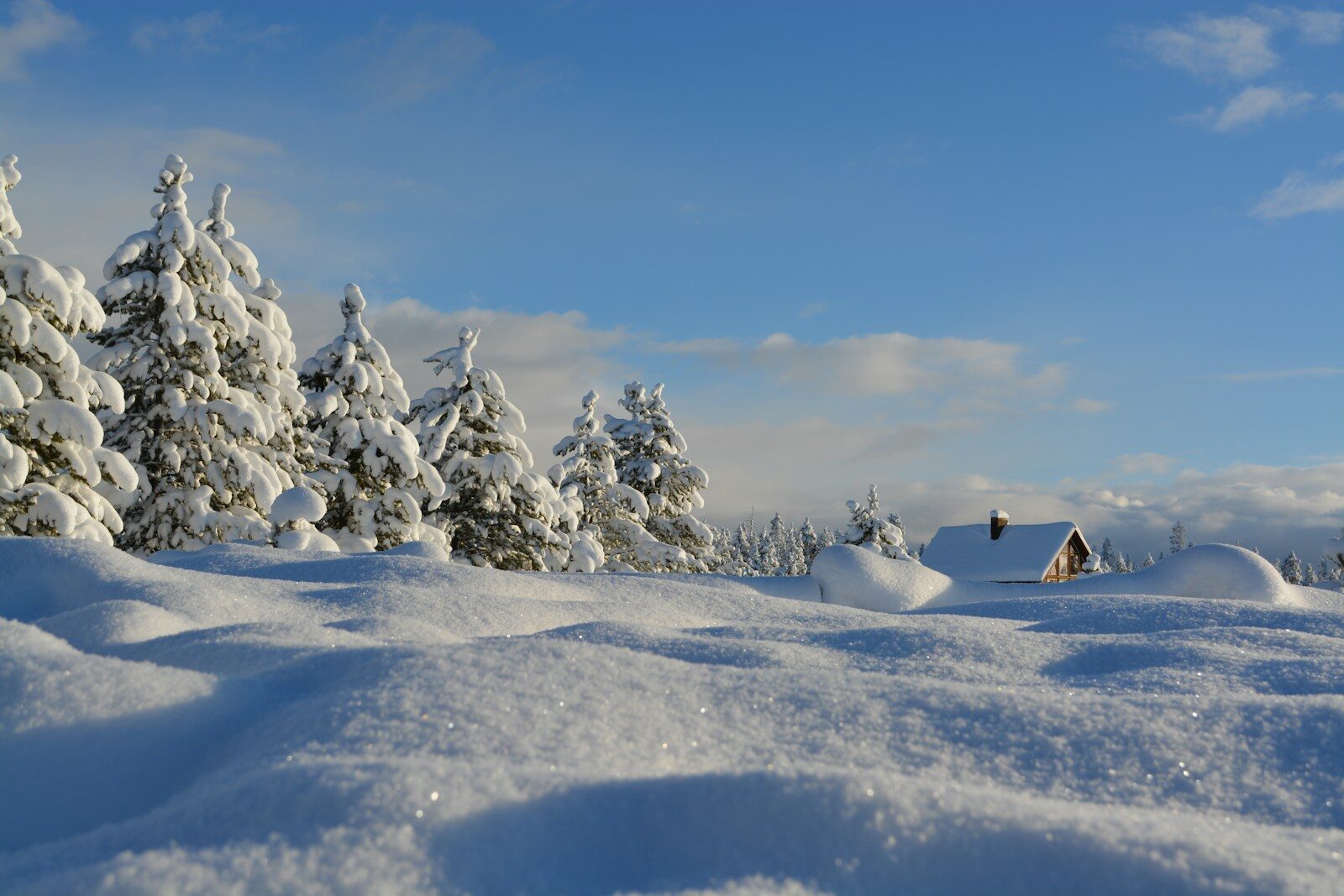
As temperatures drop across the country, preparing for the Great White North is essential. Your winter coat is the centerpiece of your seasonal wardrobe, and it must be chosen with care to ensure warmth, comfort, and protection against the elements. Whether you’re navigating downtown Toronto or living in the Rockies, this comprehensive checklist will guide you through the essential winter gear you need to get through the season safely and comfortably.
Essential Outerwear: Your First Line of Defense
To brave the Canadian cold, prioritizing a winter jacket rated for sub-zero temperatures is a must. Look for outerwear that is windproof, waterproof, and well-insulated. Depending on your local climate, you should choose between a heavy-duty down-filled puffer jacket or a technical parka. Do not forget to complete your outfit with a thick beanie or a classic tuque, a wool scarf, and high-quality thermal gloves or mittens. Comfort starts with protecting your face and extremities, which are most susceptible to frostbite when the mercury dips below freezing.
Layering: Mid-Layers and Thermal Clothing
Underneath your coat, the three-layer system is key to regulating body temperature. For your base layer, wear a moisture-wicking long-sleeve thermal shirt made of merino wool or synthetic fibers. Add a fitted wool sweater or a fleece jacket as a mid-layer to effectively trap body heat. It is critical to avoid cotton base layers, as they retain moisture and will make you colder as soon as you stop moving. Proper layering allows your skin to breathe while keeping the heat in, even during a polar vortex.
Leg and Foot Protection
Your legs and feet are often the most exposed to snow and slush. Consider wearing lined pants or thermal leggings, often called long johns, as a warm base. For your feet, opt for thick moisture-wicking socks such as those made of merino wool. Your winter boots must be insulated, waterproof, and feature anti-slip soles. A good grip is vital for navigating icy sidewalks and the dangerous black ice commonly found in Canadian cities. Ensure the interior insulation is rated for the specific temperatures of your region.
Daily Winter Accessories
Beyond clothing, specific accessories can make winter life much easier and safer. Headlamps are essential for those short winter days when it gets dark by 4:00 PM in many parts of Canada. Reusable hand warmers offer extra comfort during long commutes, while balaclavas are necessary to protect your skin from windburn during extreme wind chills. You should also wear polarized sunglasses, as the snow reflection and glare can be incredibly harsh on the eyes during sunny winter afternoons.
Winterizing Your Car: Safety on the Road
If you drive, your vehicle must be winter-ready before the first snowfall. Always keep a snow brush, an ice scraper, a shovel, and de-icing fluid in your trunk. Winter tires are a non-negotiable safety requirement in most Canadian provinces to ensure proper traction. Be sure to check your battery, oil levels, and antifreeze levels regularly. In case of a major storm, keep a survival kit containing a blanket, water, non-perishable snacks, a flashlight, and a portable power bank for your phone.
Creating a Warm and Secure Home
Indoors, your environment should remain a sanctuary against the cold. Check for drafts around windows and doors, and use weatherstripping or thermal curtains to keep the heat inside. Ensure your furnace is serviced and all filters are cleaned for maximum efficiency. It is also wise to have a backup power supply including candles, matches, flashlights, and extra batteries. These elements are essential for staying safe and comfortable in the event of a winter power outage.
Nutrition and Hydration
The body burns significantly more energy in the winter just to maintain its core temperature. Focus on nutrient-dense meals including proteins, seasonal root vegetables, and complex carbohydrates. Homemade soups are an excellent option as they are easy to digest and warming. It is easy to forget to drink water in the cold, but staying hydrated remains crucial for your metabolism. Opt for herbal teas or warm lemon water to stay hydrated and warm from the inside out throughout the day.
Health and Wellness During the Cold Season
Finally, prioritize your mental and physical health during the long Canadian winter. Get plenty of sleep to strengthen your immunity and keep your indoor air fresh by briefly ventilating rooms each day. Even indoor exercise helps maintain healthy circulation and energy levels. Since we get less sunlight during these months, Vitamin D supplements are often recommended by Canadian health experts. Staying active and relaxed will help you beat the winter blues and enjoy the season to its fullest.
About the Author