

Pushing Through Pain Is Not Always the Answer
Whether you play recreational hockey on Sunday mornings, run the trails along the St. Lawrence, or chase your kids around a soccer field on weekends, physical activity is a huge part of life in Cornwall and the surrounding SDG region. We are an active community, and that is something worth celebrating.
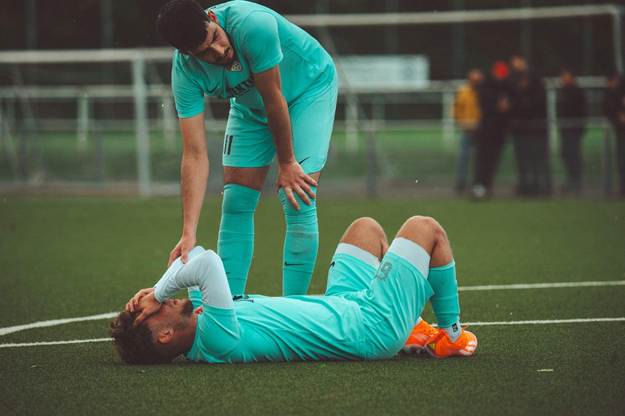
But activity comes with risk. Sprains happen. Muscles get pulled. Knees take a beating. And one of the most common mistakes active people make is assuming that rest alone will fix everything, or worse, that pushing through the pain is a sign of toughness.
Knowing when to seek professional rehabilitation support is not a sign of weakness. It is one of the smartest things you can do for your long-term health.
The Difference Between Soreness and an Actual Injury
Normal Post-Exercise Soreness
Most people who exercise regularly know the feeling of delayed onset muscle soreness, or DOMS. It typically shows up 24 to 48 hours after a tough workout and fades within a few days. This kind of soreness is part of the adaptation process and is generally nothing to worry about.
Signs that what you are feeling is likely normal soreness:
- It affects both sides of the body symmetrically
- It improves with gentle movement and hydration
- It does not limit your range of motion significantly
- It resolves within 72 hours without treatment
Signs That Something More Serious Is Going On
On the other hand, there are symptoms that should not be ignored or waited out. These are the moments when your body is asking for more than rest and an ice pack.
Watch out for the following red flags:
- Sharp or stabbing pain during or immediately after activity
- Swelling, bruising, or visible deformity around a joint
- Pain that wakes you up at night
- Loss of strength or inability to bear weight
- A popping or snapping sensation at the time of injury
- Pain that lingers beyond two weeks without improvement
- Recurring injuries in the same area
If you are experiencing any of the above, it is time to stop self-diagnosing and speak with a qualified physiotherapist.
Why Early Intervention Matters
One of the biggest myths in recreational sports culture is that you should wait and see before doing anything about an injury. The problem with that approach is that many musculoskeletal injuries worsen over time when left untreated. A mild ligament sprain that gets proper care early can heal cleanly. The same sprain ignored for months can lead to chronic instability, compensatory movement patterns, and secondary injuries elsewhere in the body.
Research consistently shows that early physiotherapy intervention leads to faster recovery times, lower rates of re-injury, and better overall outcomes. Getting assessed sooner rather than later also gives you a clearer picture of what you are actually dealing with, which takes the guesswork out of your recovery.
What Physiotherapists Actually Do
Many people have a vague idea that physiotherapy involves some stretching and maybe ultrasound treatment, but modern physiotherapy is far more comprehensive than that. A skilled physiotherapist will:
- Conduct a thorough assessment to identify the root cause of your pain, not just the symptoms
- Develop an individualized treatment plan based on your specific injury, lifestyle, and goals
- Use hands-on manual therapy to restore joint mobility and reduce pain
- Prescribe targeted exercises to rebuild strength and prevent re-injury
- Educate you on movement mechanics and how to protect the affected area going forward
- Coordinate with other health providers when needed
Clinics like MyPhysio Sports & Rehab Centre also offer complementary services such as chiropractic care, massage therapy, acupuncture, shockwave therapy, and laser therapy, giving patients access to a full spectrum of rehabilitation tools under one roof rather than bouncing between different providers.
Common Sports Injuries That Benefit Most From Physiotherapy
Ankle Sprains
Ankle sprains are among the most common recreational sports injuries and also among the most undertreated. Many people roll an ankle, limp around for a week, and consider themselves recovered. In reality, without proper rehabilitation, the ligaments may not regain full stability, leaving that ankle vulnerable to repeated sprains for years.
Knee Pain and Runner’s Knee
Patellofemoral pain syndrome, commonly known as runner’s knee, is incredibly common among distance runners, cyclists, and even people who spend long hours on hard floors. Physiotherapy addresses the biomechanical factors driving the pain, including hip weakness, poor foot mechanics, and muscle imbalances, rather than simply icing and hoping for the best.
Rotator Cuff Issues
The shoulder is a complex joint with a lot of moving parts, and the rotator cuff is particularly vulnerable in activities involving overhead motion, like swimming, baseball, or even painting a ceiling. Left untreated, rotator cuff injuries can become chronic and significantly limit your daily function.
Lower Back Strains
Lower back pain is one of the leading reasons Canadians miss work and recreational activities. While many cases resolve on their own, persistent or recurring back pain almost always has an underlying cause that physiotherapy can identify and address.
Building a Culture of Smarter Recovery
Part of what makes a healthy community is people who take their physical wellbeing seriously, not just in terms of how hard they train, but in how well they recover. The culture around sports and recreation has shifted significantly over the past decade, and professional athletes have led the way in showing that recovery is just as important as performance.
That mindset is available to everyone, not just elite competitors.
Whether you are returning to the ice after a fall, managing a nagging hamstring issue from weekend soccer, or trying to stay active as you age, working with a qualified physiotherapist gives you the tools to do it safely and sustainably.
Questions to Ask Yourself Before Deciding to Wait It Out
- Has this pain lasted longer than two weeks?
- Is it affecting my sleep or daily activities?
- Am I changing how I move to avoid aggravating it?
- Has this same area been injured before?
If you answered yes to any of the above, booking an assessment is worth your time.
The Bottom Line
Staying active is one of the best things you can do for your physical and mental health, and Cornwall has no shortage of ways to get moving. But respecting your body when it signals that something is wrong is just as important as showing up to the game.
You do not have to live with pain, and you do not have to figure it out alone. Qualified physiotherapy professionals exist precisely to help you get back to the activities you love, faster and with fewer setbacks.
Your body does a lot for you. Return the favour.
About the Author