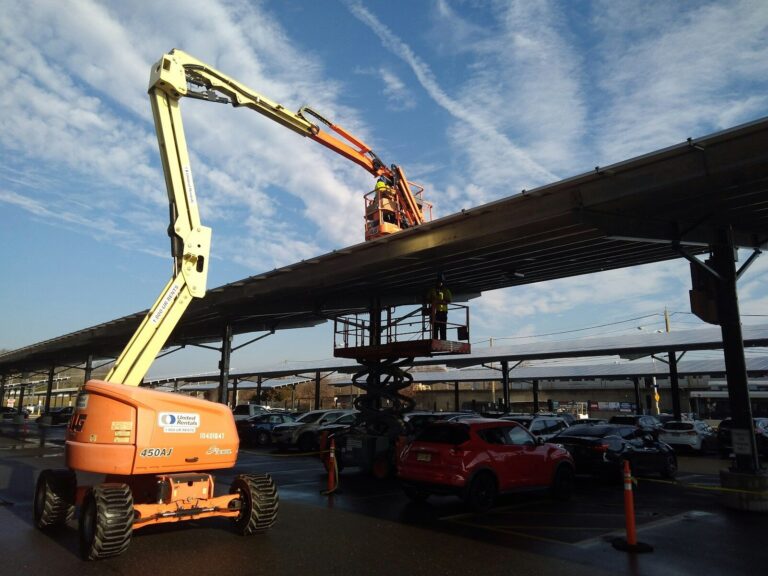

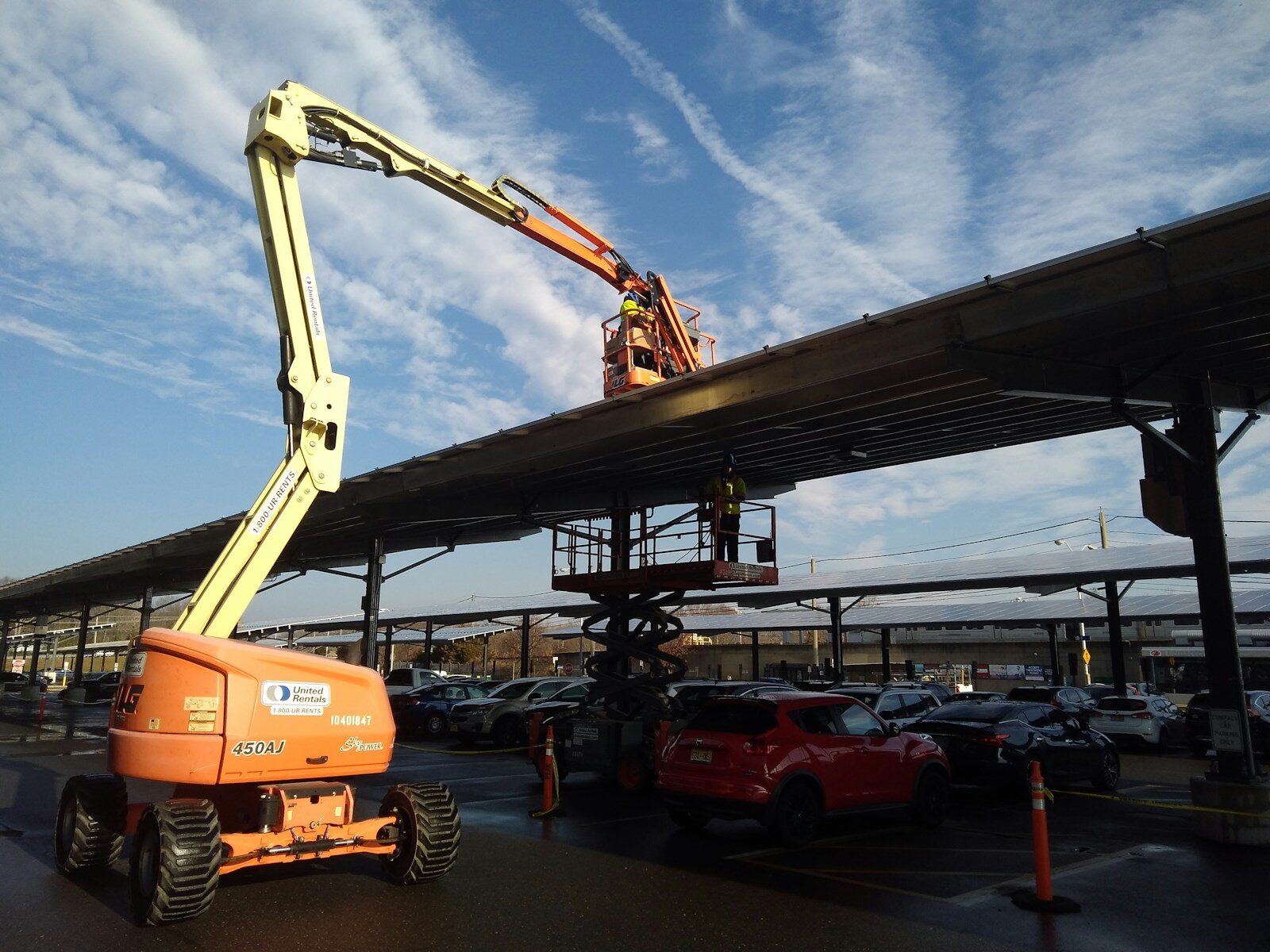
Modern aerial work platforms come with multiple safety features. However, these portable aerial lifts don’t ensure safety just because they have certain mechanisms in place. Operators’ involvement also matters. It starts with analyzing worksite risks even before bringing equipment in. For most mobile elevating work platforms, overturning is the most common incident. It can cause severe injuries and deaths. According to studies, most fatal overturn incidents were not caused by mechanical failures. Instead, the issues were related to operational practices, ground conditions, and improper installation. How do you stop this from occurring? Let’s explore the risks associated with a portable aerial work platform and plan accordingly.
Overturning risk with aerial work platforms
Mobile aerial lifts can overturn during any stage of use, from setup to movement and operation. Driving a boom truck on soft, uneven, or unstable ground is often risky. Sometimes, operators don’t use stabilizers when needed. Not analyzing the ground or machine conditions also increases the risk. If the load on the platform exceeds the safe limits, overturning can be unavoidable. Any of these oversights can cause injuries or fatalities on the worksite, severely damage equipment, raise compliance issues, and lead to operational disruptions or delays. Crews can also experience stress and reduced peace of mind.
Preparations to avoid overturning incidents at the worksite
Securing the team and site should be the priority, and it starts with the ground. Make sure the ground on which the aerial lift will be used is stable and adequately supported. You need to address loose soil, underground voids, and other conditions to reduce the risk of collapse. Before driving a vehicle on the site, it is essential to walk the same route on foot. It will give a better idea of soft spots, potholes, slopes, and other hazards. Only trained operators can use these units, as they understand the machine capacity limits best. Whenever there is a doubt about stability or weight distribution, one should use outriggers or stabilizers on soft or uneven terrain.
Additional input
You can never go wrong with a little extra care. For example, it is best to avoid sudden movements or bumps, especially when the aerial lift is extended. Don’t hesitate to use outriggers if your equipment has these features. Manufacturers specify the slope tolerance limits for the aerial lift. Please refer to them. Avoid overloading aerial work platforms because they are not cranes. You should also follow the boom lift operation instructions during certain weather conditions. Fuel and battery levels should be sufficient. Pre-operation checks are also important.
At https://www.bladeplatforms.com/, you can explore both rental and buying options. Aerial lift suppliers usually provide all types of support for the units they deliver. For example, you can hire their trained operators for boom lifts if your team is not trained to use them. They can also be approached for repairs and maintenance whenever needed. Nevertheless, partnering with a trustworthy, reputable supplier is always the best business decision. You can rent heavy equipment from them for both short- and long-term use based on your project requirements.
About the Author