


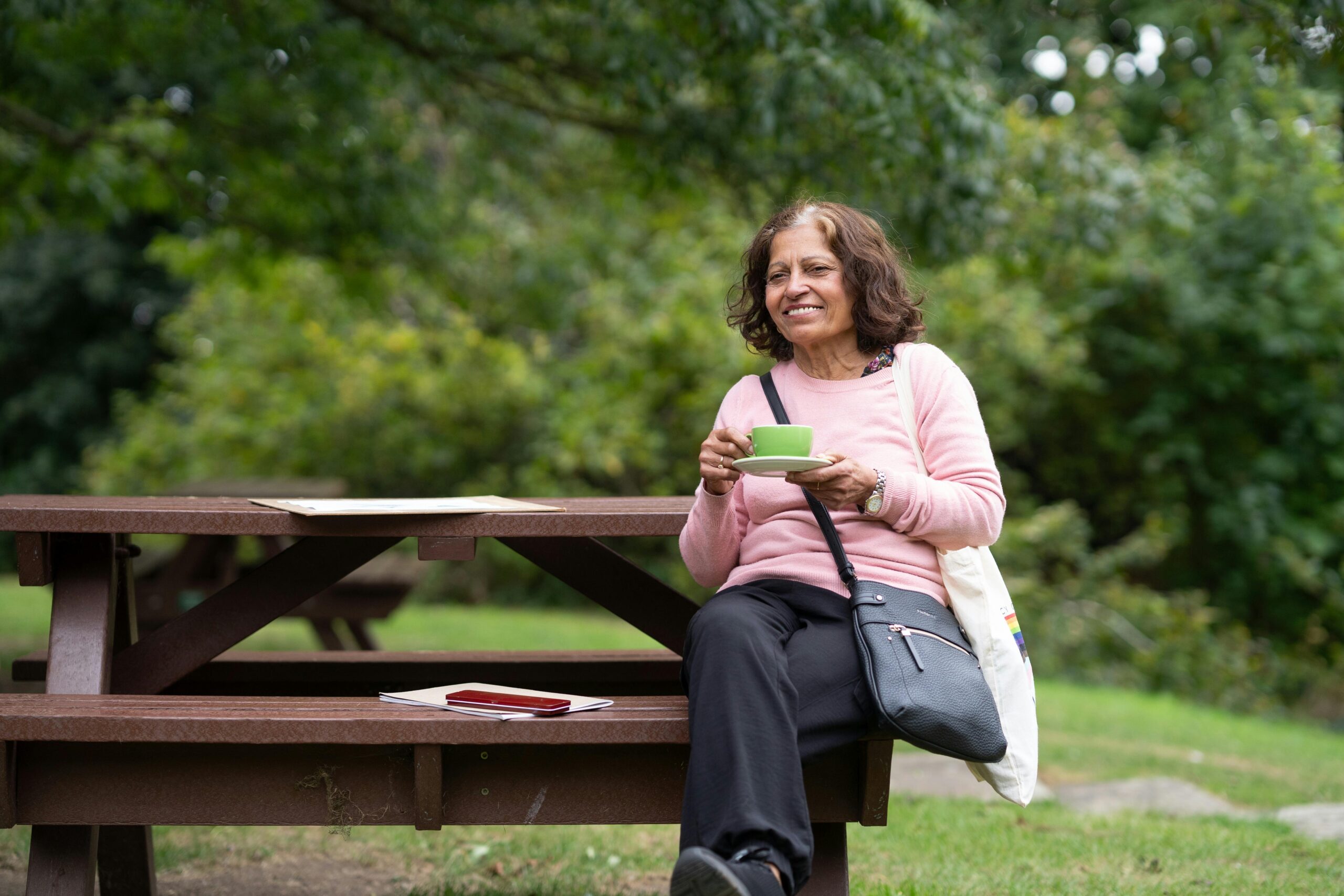
Could a few hours outside actually change the way your brain feels?
It sounds too good to be true. But the studies keep pointing to the same conclusion… Spending time in nature is one of the most inexpensive and potent mental health interventions available to you. Plus it doesn’t require a doctor’s note or diagnosis.
The good news?
You probably already have most of what you need.
Increasing time outdoors begins and ends with proper preparation. The best way to eliminate excuses not to leave the couch is with quality camping equipment. A good tent, sleeping bag, and camp chair will ensure that one bad night camping won’t scare you away from the serenity of nature. Visit a reputable sporting goods store in Dillon, CO and you can leave with all the gear you need for your first excursion, all in one afternoon.
Okay, so why should you care about all of this? Well, great question. Time to find out.
Here’s the plan:
- Why Your Brain Loves Being Outside
- The Stress Science Nobody Talks About
- How Much Nature You Actually Need
- Why The Right Gear Makes It Stick
Why Your Brain Loves Being Outside
Your mind was never built for constant screens, traffic, and notifications.
Modern life keeps your brain in mild stress much of every day. Phones ping. Emailboxes get stuffed. There’s always something else to look at. Gradually that constant stimulation exhausts you without you realizing it.
Nature does the opposite.
Stepping outdoors provides your senses with a soft reboot. The wind blowing through the trees, fresh air filling your lungs, seeing the open landscape… it doesn’t tire you out. In fact, it provides relief to your overstimulated mind. That is what brightens your mood and calms your anxiety.
Here’s what time outdoors has been linked to:
- Lower stress and a calmer mind
- Better sleep at night
- Improved focus during the day
- A brighter mood overall
Pretty powerful for something that’s completely free, right?
The Stress Science Nobody Talks About
Want to know what really happens to your body when you head outside?
Your stress hormones actually begin to drop, and they drop surprisingly fast.
One study found that individuals experienced a 21.3% drop in cortisol — a.k.a. the body’s primary stress hormone — after spending 20 minutes in nature. This is a significant change in a short amount of time.
Think about that for a second.
A brief stroll in the woods will reduce your stress more than another scroll through social media ever will. It’s medication with absolutely no side effects. The longer you practice, the easier your body becomes at calming itself.
That’s why camping is so effective at hitting reset. With camping, you’re not spending 20 minutes in nature – you could be spending hours, or days! All that time away from screens allows your nervous system to truly unwind.
How Much Nature Do You Actually Need?
This is the question that everyone wants answered… How much time outdoors is enough to notice a change?
The answer is more reachable than you might think.
Studies have found that 120 minutes a week is the minimum you need in nature to gain mental and physical health benefits. Two hours. You can break that up however you want — short walks throughout the day, one long hike, or a weekend camping trip.
Two hours a week is genuinely all it takes.
Most folks spend way more time than that looking at a screen everyday. The secret is easy, just swap some screen time for green time. Once you feel the difference it won’t feel like a chore, it will feel like a reward.
Spending a weekend camping by yourself can help you fulfill your entire weekly allotment of outdoor time at once. Camping is amazing because it compresses all of those good things into one quick, rejuvenating dose.
Why The Right Gear Makes It Stick
Here’s something most people never stop to consider…
The primary reason people don’t spend time outside is not because they don’t want to. They just don’t know how.
Imagine spending a chilly night awake in a wet tent. Not fun. It can definitely make you hate camping. But what if you have the right gear? If you’re warm and dry, you’ll love being outdoors.
That’s when quality camping equipment really shines. Plus your basics don’t need to cost a fortune. You will generally want:
- A weatherproof tent that’s easy to set up
- A sleeping bag rated for the temperatures you’ll face
- A sleeping pad for comfort and insulation
- A simple camp stove for hot meals
- A headlamp or lantern for the dark
With the basics covered, the only thing left to do is go.
…and here’s how it all comes together: Good quality camping gear doesn’t just keep you comfortable outdoors. It eliminates barriers that prevent people from heading outside. The easier you can make it, the more you’ll go — and the more mental health rewards you’ll earn.
Small Habits That Add Up
You don’t have to climb a mountain to feel better.
Nature’s brain benefits can be gained in even small amounts. Your lunch break stroll. Coffee on the front porch instead of the kitchen counter. Weekend camping trips twice a month. Every bit helps reduce stress and bring a little more peace into your week.
Try a few of these to get started:
- Take a 10-minute walk outside before checking your phone in the morning
- Plan one camping trip this season, even if it’s close to home
- Eat at least one meal outdoors each week
- Leave the headphones at home and just listen to nature
None of this requires perfection — it simply requires showing up consistently.
Time To Get Outside
One of the easiest mental health improvements you can do is spend more time in nature. It costs nothing, works every time, and all you have to do is step outside.
To quickly recap:
- Nature lowers stress and lifts your mood
- Just two hours a week makes a real difference
- The right camping equipment makes it easy to stick with
- Small, regular trips add up to big results over time
Alright, so don’t think too hard about it. Throw on your equipment, choose a location, and head outside to trade some pixels for some fresh air. You’ll be glad you did.
About the Author