



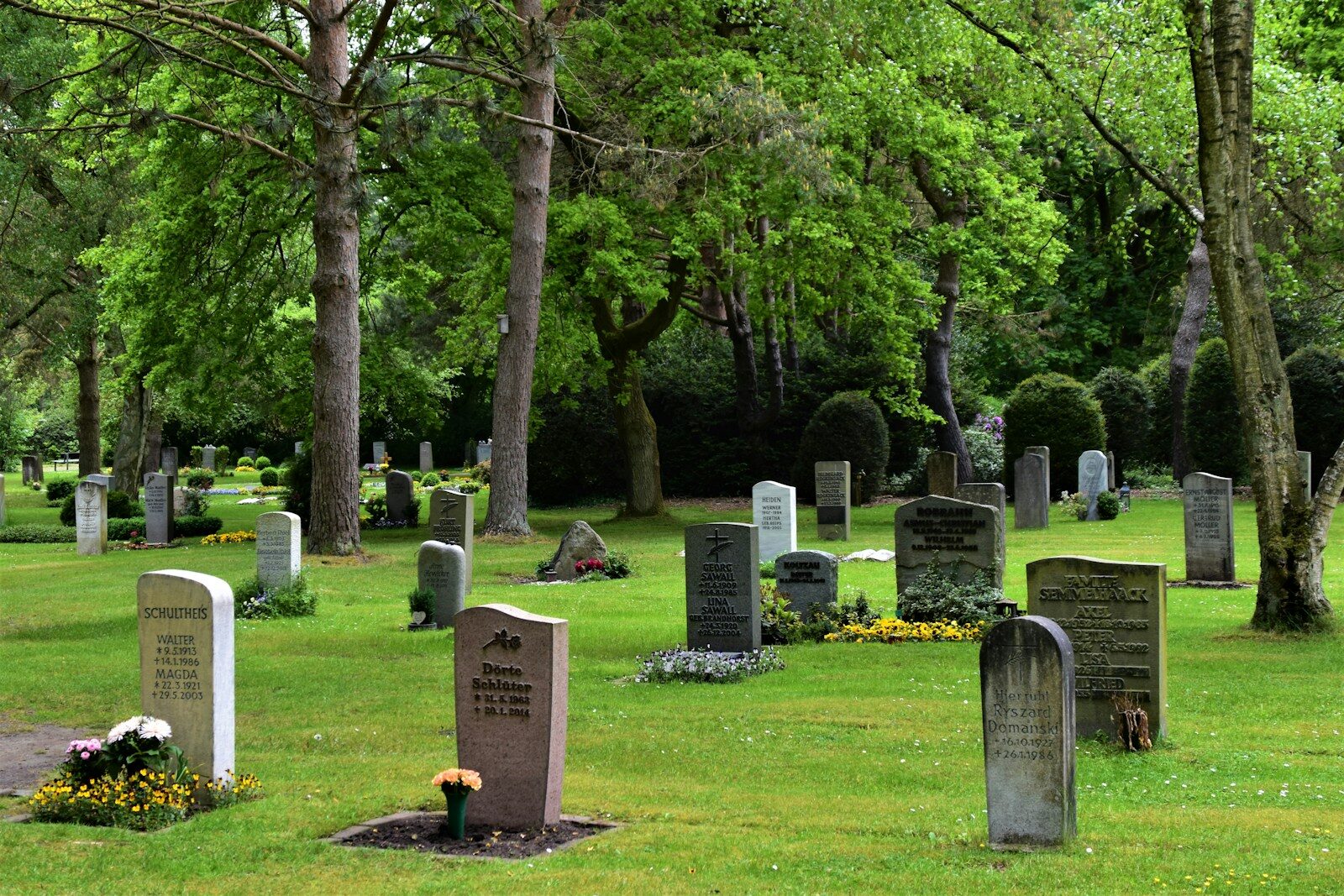
Choosing a cemetery monument is an important decision. It is not something most families do often. Many people only begin learning about monuments after a loss. This can make the process feel stressful at first.
A cemetery monument is more than a stone marker. It helps identify a resting place. It also tells part of a loved one’s story. The design, wording, material, and size can all carry meaning.
Before choosing a monument, it helps to understand the main steps. Families should think about cemetery rules, monument styles, granite options, lettering, artwork, and installation timing. A little planning can prevent delays and confusion later.
Start With Cemetery Rules
Every cemetery has its own rules. These rules may decide what type of monument is allowed. Some cemeteries allow upright monuments. Others only allow flat markers. Some sections may have size limits or material rules.
Before ordering a monument, families should ask the cemetery for its monument requirements. These may include the allowed height, width, base size, granite colour, and foundation details. Some cemeteries also need approval before the monument can be made.
This step matters because a monument that does not follow cemetery rules may be rejected. That can cause extra cost and delay. A monument company can often help review these rules before the design is finalized.
Understand the Main Monument Types
There are several common types of cemetery monuments.
An upright monument usually has a base and a vertical tablet. This is one of the most traditional styles. It gives families more room for names, dates, symbols, and personal messages.
A flat marker lies close to the ground. It is simple and often used in cemetery sections with stricter rules. Flat markers can be made from granite or bronze.
A slant marker has a sloped front face. It is lower than an upright monument but more visible than a flat marker. It can be a good choice when cemetery rules allow it.
A pillow marker has a gentle raised angle. It is also lower than an upright monument. It gives a clean and simple look.
The right choice depends on the cemetery, budget, and family preference.
Choose the Right Material
Most cemetery monuments are made from granite. Granite is strong and handles Canadian weather well. It can last for many years with proper care.
Granite comes in many colours. Common choices include grey, black, red, brown, and blue tones. Some families choose a colour because of its look. Others choose based on tradition or cemetery rules.
Black granite often gives strong contrast for lettering and artwork. Grey granite has a classic look. Red and brown granite can feel warmer. The final choice should balance appearance, durability, and cemetery approval.
Families looking for custom cemetery monuments in Toronto should compare granite samples in person when possible. Seeing the stone in real light can make the decision easier.
Plan the Inscription Carefully
The inscription is one of the most personal parts of a monument. It usually includes the person’s name, birth date, and death date. Many families also add a short message, religious phrase, or family title.
Common wording may include phrases such as beloved mother, loving father, forever in our hearts, or always remembered. Some families choose a Bible verse, poem line, or cultural phrase.
It is important to check spelling, dates, and wording carefully before approval. Once the stone is engraved, changes can be difficult. Families should take their time and review the design proof more than once.
Think About Symbols and Artwork
Artwork can make a monument feel more personal. Common symbols include crosses, flowers, praying hands, doves, hearts, trees, and cultural designs. Some families add a photo, family emblem, or custom artwork.
The artwork should match the tone of the memorial. A simple design can feel peaceful. A detailed design can tell more about the person’s life, faith, or values.
Not every cemetery allows every type of artwork. Some may have rules about portraits, symbols, or added features. This is another reason to confirm cemetery rules early.
Ask About Approval and Timing
A cemetery monument usually cannot be installed right away. The design often needs cemetery approval first. After approval, the stone can be produced and engraved.
Timing can depend on the monument style, granite availability, design details, and cemetery schedule. Weather can also affect installation. In colder months, frozen ground or cemetery restrictions may delay foundation work.
Families should ask for a clear timeline before placing an order. They should also ask who handles cemetery paperwork, delivery, and installation.
Compare More Than Price
Price is important, but it should not be the only factor. A cemetery monument is meant to last for generations. Families should also consider stone quality, engraving quality, design support, cemetery knowledge, and service.
A good monument provider should explain the process clearly. They should answer questions without pressure. They should also help families avoid mistakes with cemetery rules and approval steps.
Families may also want to visit a showroom. This allows them to see granite colours, monument shapes, lettering styles, and sample designs before making a final choice.
Final Thoughts
Choosing a cemetery monument takes care and patience. The process involves more than picking a stone. Families must think about cemetery rules, design, wording, material, approval, and installation.
The best monument is one that feels respectful, lasting, and personal. It should honour the person’s life while meeting the cemetery’s requirements.
By asking the right questions early, families can make a clearer choice. They can also avoid delays and feel more confident during a difficult time.
About the Author




![6abe94394c84c[1]](https://theseeker.ca/wp-content/uploads/2026/10/6abe94394c84c1-150x150.webp)




![6abe94394c84c[1]](https://theseeker.ca/wp-content/uploads/2026/10/6abe94394c84c1-768x434.webp)