

It’s 3 a.m., and your baby is crying for a feeding. You stumble to the kitchen, bleary-eyed, trying to warm a bottle while half-asleep. Sound familiar? For millions of new parents, this nightly ritual raises a surprisingly important question: should you invest in an electric bottle warmer, or stick with traditional manual warming methods? The answer affects more than just your convenience—it impacts how quickly you can soothe a hungry infant and whether the milk retains its essential nutrients at the right temperature. This guide breaks down the electric versus manual bottle warmer debate with a clear, comprehensive comparison designed to help you make the smartest choice for your family. We’ll examine the factors that matter most, including heating speed, temperature precision, ease of use, portability, and budget considerations. Whether you’re a first-time parent building your registry or a seasoned caregiver looking to streamline nighttime routines, you’ll find practical guidance to match the right warming solution to your unique lifestyle.
Electric vs. Manual Bottle Warmers: Breaking Down the Basics
At their core, bottle warmers fall into two distinct camps: electric devices that automate the heating process, and manual methods that rely on simple physics and parental judgment. Understanding the fundamental differences between these approaches is the first step toward making a confident decision. Electric bottle warmers plug into a wall outlet and use controlled heating elements—steam, water bath, or direct warming—to bring milk to feeding temperature with minimal intervention. Manual warming, on the other hand, encompasses any technique that doesn’t require a dedicated appliance, from placing a bottle in a bowl of warm water to holding it under a running tap. The trade-offs between these two categories touch on nearly every concern new parents have. Electric models win on convenience and consistency but come with a higher upfront cost and limited portability. Manual methods cost virtually nothing and work anywhere, yet they demand more attention, take longer, and leave temperature accuracy largely to guesswork. Your ideal choice depends on how you prioritize these factors within your daily routine.
Understanding Electric Bottle Warmers: From Automatic to Digital
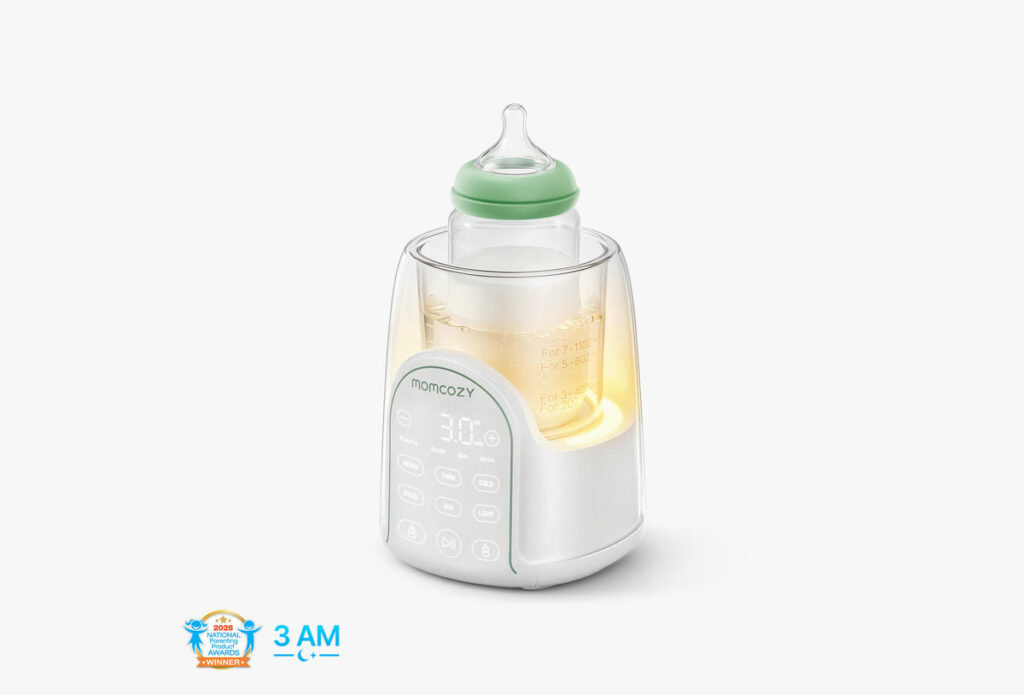
Electric bottle warmers heat milk using steam or circulating warm water, controlled by internal thermostats that regulate the process from start to finish. Automatic bottle warmers simplify things further with one-button operation—you place the bottle inside, press start, and the unit shuts off once the target temperature is reached. Digital bottle warmers add another layer of precision by letting you select an exact temperature on an LCD display, often down to a single degree. Many models include programmable memory settings so you can save your preferred configuration for repeated use without adjustment. This set-and-forget operation means you can start warming a bottle and attend to your baby without worrying about overheating or constantly checking progress. Some advanced units even maintain a ready temperature for extended periods, which is particularly useful during cluster feeding phases when your baby eats frequently.
The Traditional Approach: Manual Warming Methods
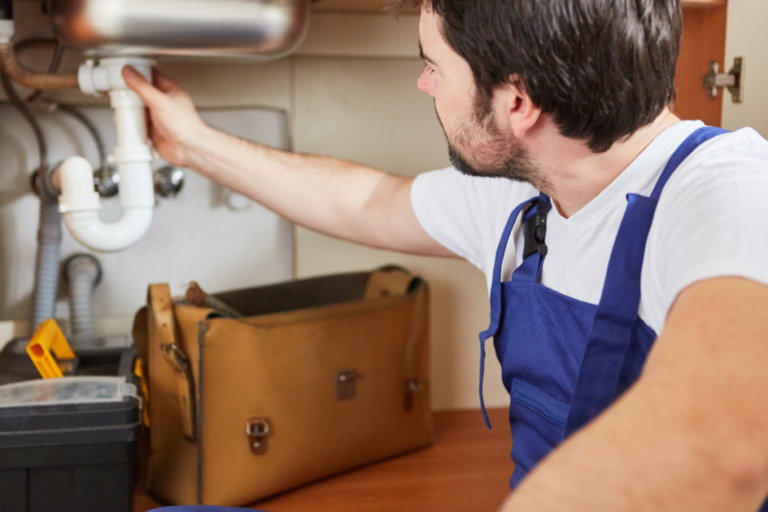
Manual warming typically involves submerging a bottle in a bowl or container of warm water drawn from the tap or heated on a stove. Some parents simply hold the bottle under warm running water, rotating it gently until the milk feels right against the inside of their wrist. These methods require no specialized equipment whatsoever—just access to warm water and a few minutes of patience. The appeal is obvious: zero cost, no counter space consumed, and nothing to malfunction or descale. However, the drawbacks are equally clear. Without a thermostat, you’re relying on feel and guesswork to determine when milk has reached the ideal feeding temperature. Water that’s too hot can destroy beneficial antibodies in breast milk or create dangerous hot spots in formula. The process also takes considerably longer than electric alternatives, typically requiring three to five minutes of active attention—an eternity when a screaming infant is waiting.
Key Features to Address New Parents’ Core Needs
When you strip away the marketing jargon and product specifications, new parents really need two things from a bottle warming solution: speed during those exhausting nighttime feeds and confidence that the milk temperature is safe and nutrient-preserving. Every other feature—design aesthetics, brand name, extra accessories—takes a back seat to these fundamental requirements. The good news is that both electric and manual approaches can address these needs, though they do so with very different levels of reliability and effort. Understanding exactly how each method tackles speed and precision helps you identify which trade-offs you’re willing to accept. A parent who feeds four or five times per night has different tolerance for waiting than one whose baby sleeps in longer stretches. Similarly, a mother pumping and storing breast milk may prioritize gentle, even heating far more than a formula-feeding family. The sections below dig into these two critical needs and offer concrete steps to optimize whichever method you choose.
Need for Speed: Solutions for Quick and Easy Nighttime Feeding
Electric bottle warmers typically bring a refrigerated bottle to feeding temperature in sixty to ninety seconds when using steam-based rapid-heat technology, compared to three to five minutes with manual water bath methods. That difference feels enormous at 2 a.m. when every second of crying escalates stress for both parent and baby. To minimize nighttime disruption regardless of your chosen method, consider these practical steps: keep your warmer on the nightstand or in the nursery rather than the kitchen to eliminate a trip down the hall; pre-fill a manual warming container with room-temperature water before bed so you only need to add a splash of hot water; and store bottles in a mini-fridge beside the feeding station. For electric models, look for units with a keep-warm or ready-mode function that holds water at a pre-heated state, shaving additional seconds off the cycle when hunger strikes.
Precision Control: Preserving Nutrients with Accurate Temperature
Breast milk begins losing immunological properties when heated above 40°C (104°F), and formula can develop scalding hot spots if warmed unevenly. Digital electric bottle warmers address this by allowing you to set a target temperature—often in one-degree increments—and using sensors to cut power the moment that threshold is reached. This eliminates the risk of overheating entirely. Manual methods offer no such safeguard; you’re relying on wrist-testing, which detects extreme heat but cannot distinguish between 37°C and 45°C with any reliability. If you opt for manual warming, follow these steps to improve accuracy: use a simple kitchen thermometer clipped to the bottle after warming, swirl the bottle gently to distribute heat evenly before testing, and always start with water that feels comfortably warm rather than hot to the touch. For electric users, periodically verify your unit’s calibration by comparing its reading against an independent thermometer, especially after descaling.
Step-by-Step Guide to Choosing Your Ideal Bottle Warmer
Knowing the differences between electric and manual warmers is helpful, but translating that knowledge into a purchase decision requires a structured approach. Too many parents default to whatever their friends recommend or grab the first option they see on a registry checklist, only to discover weeks later that it doesn’t fit their actual routine. The following three-step process cuts through decision fatigue by guiding you through a personalized evaluation. Rather than asking “which warmer is best?” you’ll ask “which warmer is best for my specific situation?”—a subtle but critical shift in thinking. By honestly assessing your lifestyle, comparing the specifications that genuinely matter for safety and performance, and then aligning everything with your budget, you’ll arrive at a choice you can feel confident about long after the newborn haze lifts. Each step builds on the previous one, so work through them in order for the clearest result.
Step 1: Assess Your Lifestyle and Feeding Routine
Start by mapping out a typical twenty-four-hour feeding cycle. Count how many times your baby eats overnight, note whether you primarily feed at home or frequently travel, and consider who else handles feedings—a partner, grandparent, or babysitter may have different comfort levels with technology. If you’re waking three or more times per night and speed is your top priority, an electric warmer with rapid-heat capability will likely deliver the most relief. If you split time between home and a relative’s house, or you travel often, portability matters more, and a reliable manual method—or a compact, travel-friendly electric unit—deserves serious consideration.
Step 2: Compare Key Specifications and Safety Features
Once you understand your routine, narrow your options by focusing on five critical specifications: average heating time, temperature range and accuracy, compatibility with your bottle brand and size, auto-shutoff functionality, and ease of cleaning. Auto-shutoff is non-negotiable for electric models because it prevents overheating when you’re distracted or dozing. For manual methods, safety hinges on your discipline—always testing temperature before feeding and never microwaving bottles, which creates uneven hot spots invisible from the outside. Check whether electric units accommodate both narrow and wide-neck bottles, as well as breast milk storage bags, to avoid buying a second warmer if you switch bottle systems later.
Step 3: Weigh the Pros and Cons Based on Your Budget
Electric bottle warmers represent a meaningful upfront investment, but consider the cost per use over months of daily feedings—the per-feed expense becomes negligible quickly. Manual warming costs nothing beyond what you already own, making it the obvious winner for tight budgets. However, factor in the hidden costs of manual methods: potential nutrient loss from accidental overheating, the value of your sleep time, and the mental load of monitoring temperature manually multiple times per night. A middle-ground strategy works well for many families: purchase a reliable electric warmer for home use where speed and precision matter most, and rely on manual techniques when traveling or as a backup during power outages.
Practical Recommendations and Final Considerations
With a clear understanding of how electric and manual warmers differ and a framework for evaluating your personal needs, it’s time to translate that knowledge into actionable recommendations. The reality is that most families benefit from having a primary warming strategy paired with a backup plan. Your primary method should align with where you spend the majority of feeding time—usually at home during those intensive early months—while your backup covers travel, visits to relatives, or unexpected situations like power outages. Beyond choosing a method, how you use and maintain your warming solution directly impacts its performance and longevity. Electric units require periodic descaling to prevent mineral buildup that degrades heating efficiency, while manual methods demand consistent discipline around temperature testing to remain safe. The recommendations below are organized by parent profile so you can quickly identify which approach matches your circumstances and start implementing it immediately.
Top Electric Bottle Warmer Picks for Convenience-Seeking Parents
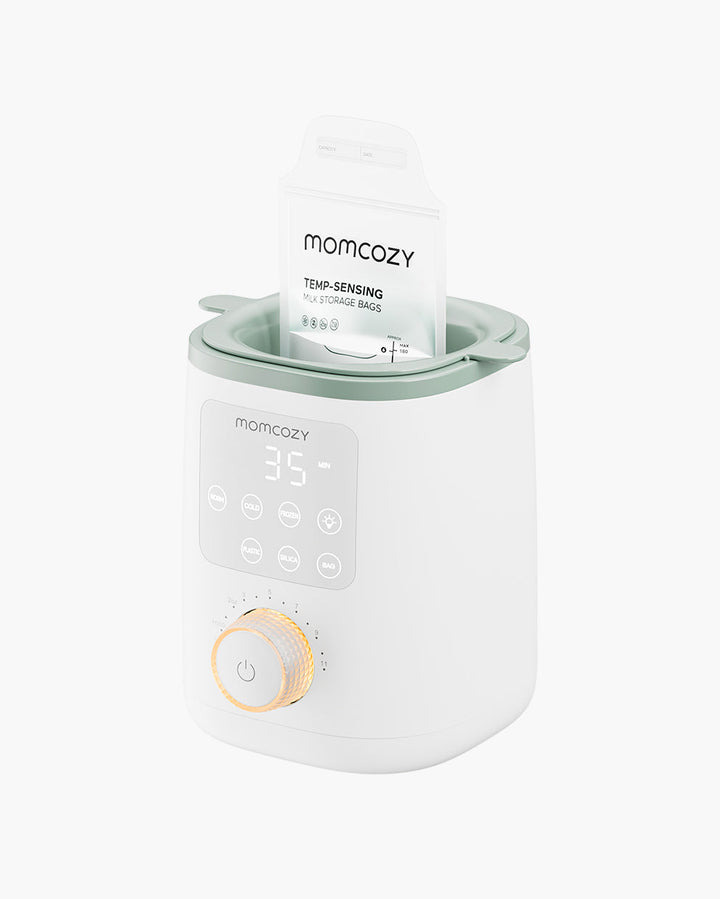
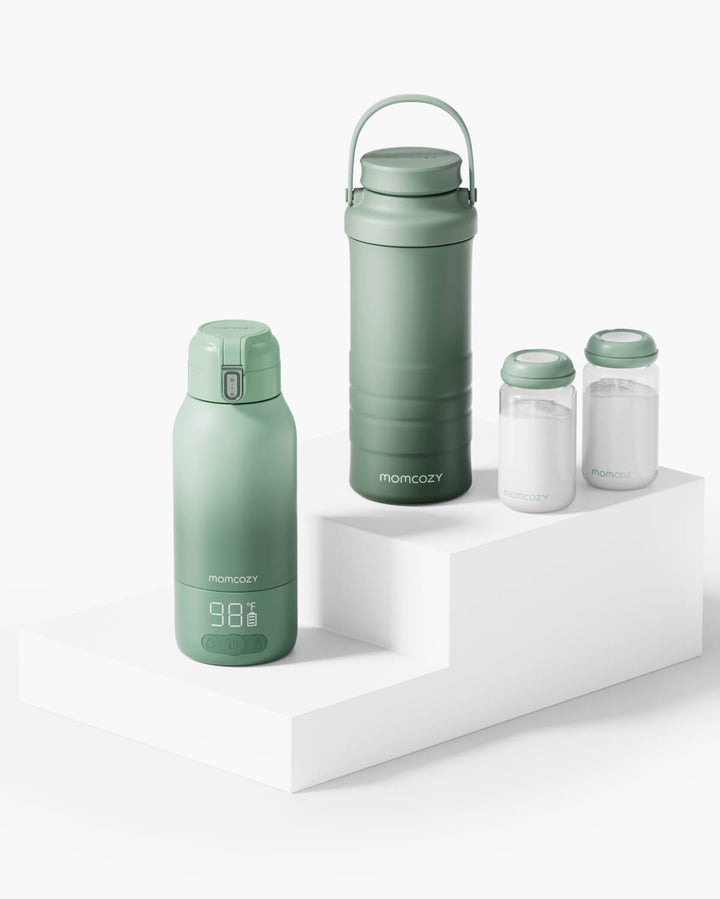
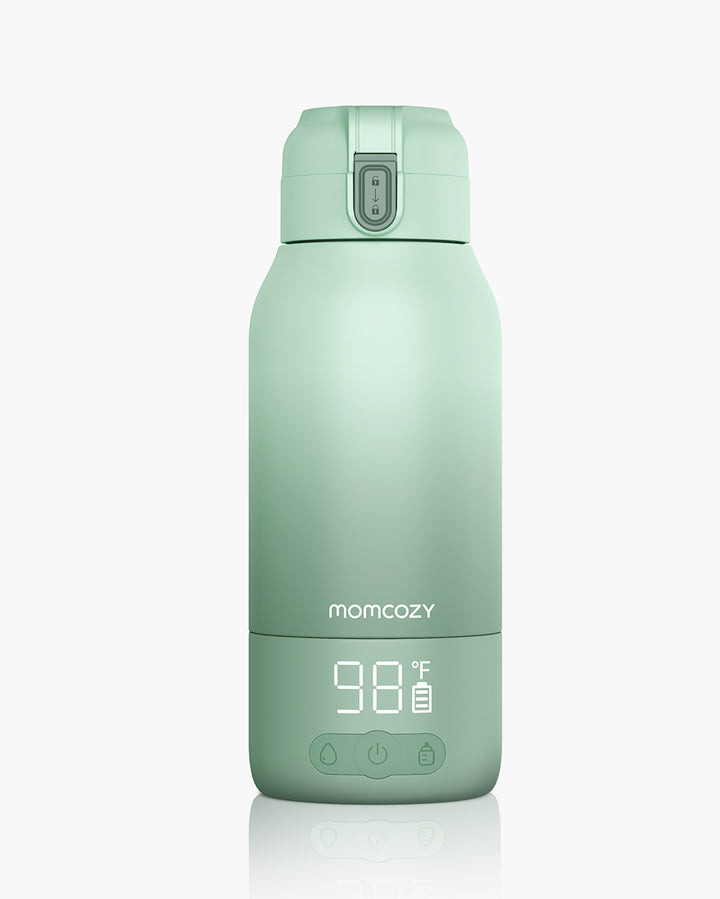
When selecting an electric bottle warmer, prioritize three criteria above all else: reliable auto-shutoff to prevent overheating, compatibility with your existing bottle collection, and a heating cycle under two minutes for refrigerated milk. Automatic bottle warmers with one-touch operation suit exhausted parents who need simplicity at 3 a.m.—no dials to adjust or settings to remember. Brands like Momcozy have designed their milk warmer bottle solutions with this exact scenario in mind, offering intuitive interfaces that work seamlessly within a broader feeding ecosystem. Digital bottle warmers with LCD displays and programmable memory appeal to parents who want precise control and feed breast milk that requires gentle, exact-temperature heating. Look for models that accept wide-neck bottles, standard bottles, and milk storage bags without requiring adapters, since your bottle preferences may evolve as your baby grows. Units featuring a keep-warm function prove invaluable during cluster feeding periods, eliminating repeated heating cycles within short windows. Finally, choose a warmer with removable, dishwasher-safe components to simplify the cleaning process during an already demanding stage of parenthood.
Making Manual Warming Work: Tips and Best Practices
If manual warming fits your budget or lifestyle better, a few disciplined habits make it both safe and efficient. Fill a tall, insulated mug or thermos with hot water before bed so warm water is immediately available without running the tap or boiling a kettle at night. Place the sealed bottle in the warm water for two to three minutes, then swirl it gently to eliminate hot spots before testing a drop on your inner wrist. Invest in an inexpensive instant-read kitchen thermometer and aim for 37°C—body temperature—every single time. Never use a microwave, which heats unevenly and can scald your baby’s mouth even when the bottle exterior feels fine. With these steps practiced consistently, manual warming becomes a reliable routine rather than a guessing game.
Matching the Right Warming Method to Your Family’s Routine
Choosing between an electric and manual bottle warmer ultimately comes down to how you live, how you feed, and what you’re willing to trade off. Electric bottle warmers—whether automatic models with one-touch simplicity or digital units with precise temperature displays—deliver unmatched speed and consistency, making them ideal for parents navigating multiple nighttime feedings or those who prioritize protecting the nutritional integrity of breast milk. Manual warming methods remain a perfectly valid choice for budget-conscious families, travelers, or anyone who prefers fewer gadgets, though they demand greater attention and discipline around temperature safety. The three-step framework outlined in this guide gives you a personalized path forward: assess your routine honestly, compare the specifications that protect your baby, and align your decision with both your budget and your sanity. Many families find that combining both approaches—an electric warmer at home and manual techniques on the go—covers every scenario without compromise. Whichever direction you choose, consistency in safe warming practices matters far more than the tool itself. With the right method in place, those bleary-eyed nighttime feeds become a little less stressful, a little faster, and a lot safer for your growing baby.
About the Author