


You have just brought home a shiny new dishwasher, fridge, or gas range, and the temptation is real: how hard can it be to hook it up yourself? There is a video for everything these days, and saving the installation fee feels like a small win. But appliances are not as simple as plug-and-play, and the connections behind them, water lines, gas lines, electrical, and venting, are exactly the ones where a small mistake can turn into a very expensive, or even dangerous, problem.
Professional installation is one of those services that seems optional until something goes wrong. Understanding what is really at stake, and what a proper installation protects you from, makes it clear why so many homeowners decide it is not a corner worth cutting. Here is what you should know before you pick up that wrench.
The risks are not hypothetical. Appliance malfunctions, including improperly connected washing machines and dishwashers, account for roughly 10 percent of home water damage claims, and a single bad connection can release hundreds of gallons. That is exactly why trusting professional appliance installation protects not just your new purchase, but your home around it.
The Hidden Risks of DIY Installation
Most appliances connect to something more complicated than a simple outlet, and that is where DIY installations go wrong. The risks fall into a few serious categories, and the trouble is that many of them are invisible until damage is already done.
Water Damage
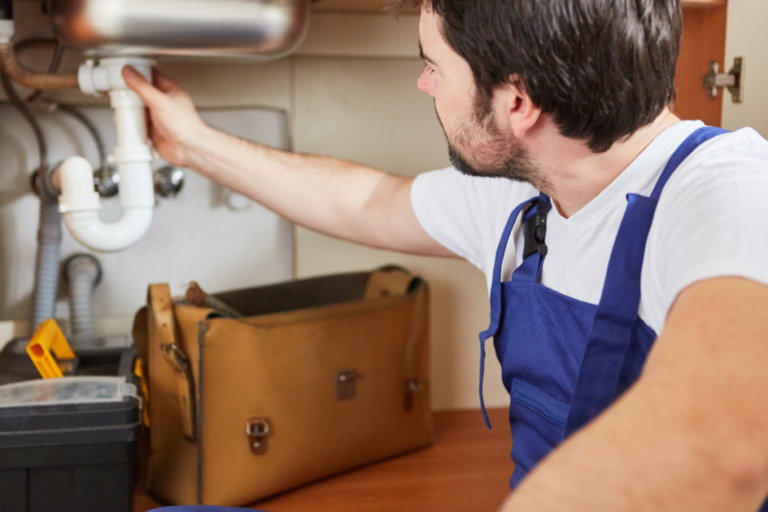
Dishwashers, refrigerators with ice makers, and washing machines all connect to your water supply. A loose fitting, a misaligned hose, or an improperly sealed connection can leak slowly behind the appliance for weeks before you notice, quietly rotting cabinets and flooring and breeding mould. Or it can fail suddenly and flood a room. These connections need to be tight, correct, and tested, which is precisely what a professional ensures.
Gas Leaks
Gas appliances like stoves and ranges demand absolute precision. A gas connection that is even slightly improper can leak flammable gas into your home, creating a genuine risk of fire, explosion, or carbon monoxide exposure. This is not an area for guesswork or learning on the job. Gas work calls for the right expertise and the right tools, and getting it wrong can be catastrophic.
Electrical Hazards
Many appliances draw significant power, and incorrect wiring or an inadequate connection can cause short circuits, damage the appliance, or create a fire hazard. Proper installation ensures the appliance is connected safely and matched to the right electrical requirements, protecting both your home and the unit itself.
Improper Installation Can Void Your Warranty
Here is a costly detail many people overlook: a lot of manufacturers require professional installation to keep the warranty valid. Install it yourself, and if something goes wrong down the road, you may discover that the warranty no longer covers it. Suddenly the money you saved on installation is dwarfed by a repair or replacement you have to pay for entirely on your own.
Professional installation, done to the manufacturer’s specifications, protects that warranty and the substantial investment your appliance represents. It is a form of insurance for the purchase you just made, ensuring you stay covered if a defect appears later.
Performance and Longevity
Beyond avoiding disasters, proper installation simply makes your appliance work better and last longer. An appliance that is correctly levelled, connected, and configured runs efficiently and quietly, while a poorly installed one can vibrate, run inefficiently, struggle to perform, and wear out prematurely. A fridge that is not properly ventilated, for example, has to work harder, driving up energy bills and shortening its life.
Getting the installation right from day one means your appliance performs the way it was designed to, for as long as it was designed to. That is real value that extends well beyond the moment of setup.
What a Professional Installation Includes
When you hire experienced installers, you are paying for more than just connecting a few wires and hoses. A quality installation typically involves:
- A proper site assessment. Checking that the space, connections, and requirements are suitable before installation begins.
- Correct, code-compliant connections. Ensuring water, gas, electrical, and venting are all connected safely and properly.
- Levelling and securing. Positioning the appliance correctly so it runs efficiently and safely without tipping or vibrating.
- Testing and verification. Confirming the appliance works correctly and there are no leaks or issues before the job is done.
- Cleanup and guidance. Leaving your space tidy and making sure you understand how to use your new appliance.
The Convenience and Peace of Mind Factor
There is also a simpler, more human benefit to professional installation: it takes the stress off your plate. Wrestling a heavy appliance into place, deciphering a manual, and hoping you connected everything correctly can eat up an entire frustrating afternoon, and still leave you second-guessing whether you got it right. Handing that task to someone who does it daily means it gets done quickly, correctly, and without the guesswork.
That peace of mind is worth a great deal. Instead of waiting nervously to see whether a connection holds or an appliance runs properly, you get the reassurance that everything was assessed, installed, and tested by an expert. You can simply start enjoying your new appliance, confident that it is safe and set up to last.
When DIY Might Be Fine, and When It Is Not
To be fair, not every appliance demands a professional. Simple plug-in items like a microwave or a basic countertop appliance are usually safe to set up yourself. The line to watch is any appliance that connects to gas, water, or significant electrical, or anything heavy enough to require careful handling and levelling. Refrigerators with water lines, dishwashers, gas ranges, washers, and dryers all fall squarely into professional territory.
When in doubt, the safest rule is simple: if the connection could leak, spark, or release gas, leave it to someone who installs these every day. The modest cost is small compared to the risk of getting it wrong.
The Takeaway
Professional appliance installation is not an upsell; it is protection. It guards your home against water damage, gas leaks, and electrical hazards, keeps your manufacturer warranty intact, and ensures your appliance performs efficiently and lasts as long as it should. For anything that connects to water, gas, or serious electrical, the small upfront cost of expert installation is dwarfed by the potential cost of a DIY mistake. When you invest in a quality appliance, it makes sense to protect that investment with an installation done right the first time.
About the Author

![6abe94394c84c[1]](https://theseeker.ca/wp-content/uploads/2026/10/6abe94394c84c1-150x150.webp)