Call us at 613-908-9448

The Most In-Demand Healthcare Careers in the Aging Population Era
As the Western world grows older, the number of medical workers is dwindling compared to the demand. According to the World Health Organization, by 2030, 1 in 6 people will be age 60 or older. Even though salaries in the medical field are increasing, it’s still hard to meet the needs of all these individuals.
Still, it’s worth noting that certain professions are more sought after than others. Logically, you’ll need many more doctors working in geriatrics than you’ll need pediatricians. So, if you’re a young person planning a medical career, you should prioritize the following jobs and specializations.
- Nurses
The demand for nurses will increase significantly in the following years. Although these medical professionals may have the same knowledge as their doctor colleagues, they can provide a range of valuable services. The need for nurses is especially noticeable in underserved areas and primary care.
Another great thing about nurses is that healthcare organizations can pay them less than doctors. That way, hospitals can maintain a similar level of care without breaking the bank. An experienced professional can diagnose common ailments, manage chronic conditions, and prescribe drugs, all of which are vital for the elderly.
- Patient Advocates
Patient advocates have become more popular in recent years. These medical professionals are perfect for patients struggling with terminal and chronic conditions, as well as anyone else who has encountered issues with the medical system. Your healthcare advocate basically serves as a medical representative, offering counsel whenever needed.
Besides performing an advisory role, a patient advocate may help you diagnose conditions and select drugs. Most of these professionals have a background in nursing and other medical fields, making them highly versatile. Among others, a patient advocate can assist you with paperwork, insurance, and other technical issues.
- Personal Assistants
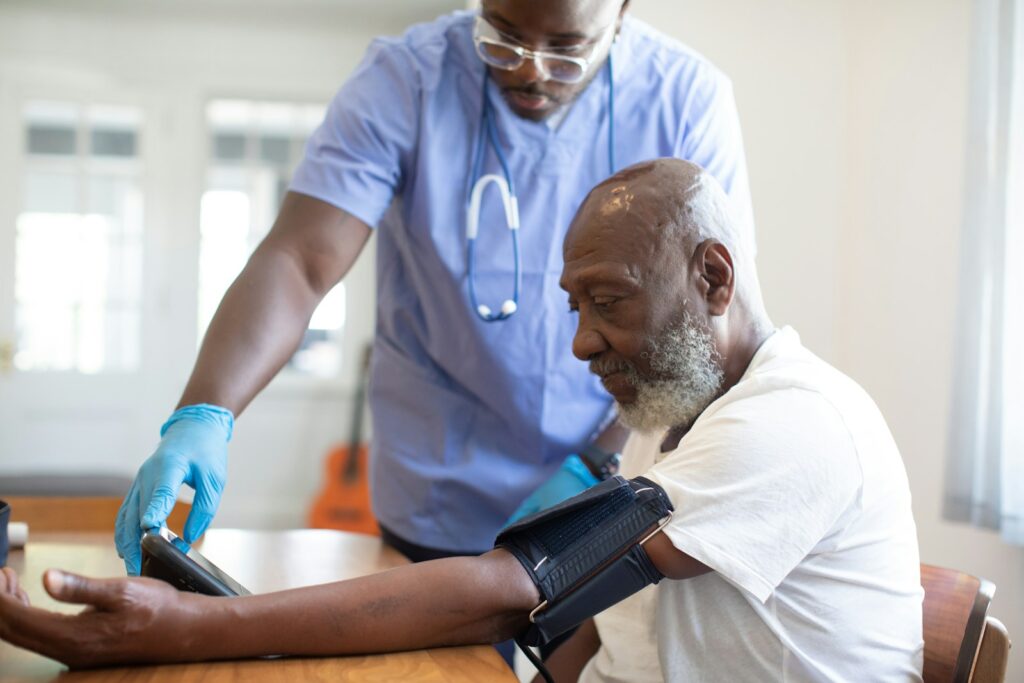
As expected, home health aides have become increasingly sought after as the population ages. These professionals can provide at-home assistance to people who can’t cook, clean, bathe, or dress themselves. Besides performing physical chores, these individuals also administer therapies and monitor patients’ health.
The often underestimated role of personal assistants is companionship. A professional will stay with the patient for the rest of their life, significantly improving their quality of life. The current demographic trends in the US indicate that we’ll need about 100,000 professionals in this field annually.
- Geriatric Specialists
Geriatric specialists can manage a wide range of medical issues common to the elderly. They work with individuals suffering from osteoporosis, dementia, and cardiovascular issues, significantly prolonging their life expectancy while improving quality of life. In some cases, they can even help patients become more independent.
Unfortunately, working in geriatrics is not as easy as some people think. While the patients might not be as active, you’ll need comprehensive knowledge from different fields to serve them properly. Furthermore, if you’ll be working in a retirement home, you’ll have to dedicate a good portion of your day to helping them out.
- Physical Therapists
The elderly struggle with different mobility issues. A lot of them have had their hips replaced or might be suffering from various bone and joint issues. Injuries and strokes are other problems that require physical therapy. As someone working in this field, you’ll not only work on improving their functions but also enhance their quality of life and restore independence.
Your key responsibility is to teach the elderly physical exercises. You’ll design customized rehabilitation programs and adapt the environment to enable patients to move around safely. The need for physical therapists is increasing year by year, in long-term care facilities and outpatient clinics.
- Lab Technologists
Diagnostics becomes more important as people age. The elderly face a plethora of complex conditions, often requiring extensive analysis. A lot of these conditions are chronic or life-threatening, and need genetic testing, blood and urine work, and other forms of screening.
Clinical and medical laboratory technologists analyze samples, perform tests, and make sure that the results are valid. The great thing about laboratory technologists is that they can work in different environments. The demand for these experts is steadily increasing, especially with advances in genetics and preventive care.
- Mental Health Experts
Most people are unaware of the mental struggles the elderly face. As people grow older, they lose loved ones or become detached from friends and family. Depression is also commonplace with hormonal and social changes. Furthermore, 13.5% of the elderly requiring home care experience mental issues.
As such, we can expect an increased demand for psychologists, psychiatrists, and social workers. The primary responsibilities of these experts include providing counseling to patients and their families, offering therapy, and managing dementia-related issues. The increased demand for these experts is also spurred by greater awareness of mental health.
- Pharmacists
Elderly patients often suffer from multiple chronic conditions and nutrient deficiencies. They require numerous drugs to maintain any semblance of natural balance, which is why the demand for pharmacists and pharmacy technicians has risen in recent years. Medical professionals educate patients about safety and drug interactions and may also recommend alternative products.
Given the nature of some of these drugs, pharmacists must have a good understanding of a person’s condition and the impact of potential side effects. They sometimes collaborate with other professionals to provide a more wholesome care. The current demographic trends indicate that the need for pharmacists will increase in the upcoming years, especially in hospital and community pharmacies.
The Future Demand
In 2025, 2 million healthcare job openings were created in the US alone. The demand for nurse practitioners has increased the most, seeing 46% growth. We also can’t neglect the increased demand for physician assistants, occupational therapists, and home health aides.
If you’re a young medical student, you can build a fantastic career specializing in any of these areas. Another fantastic thing about healthcare positions is that the salaries are continuously increasing, ensuring a long, fruitful career.