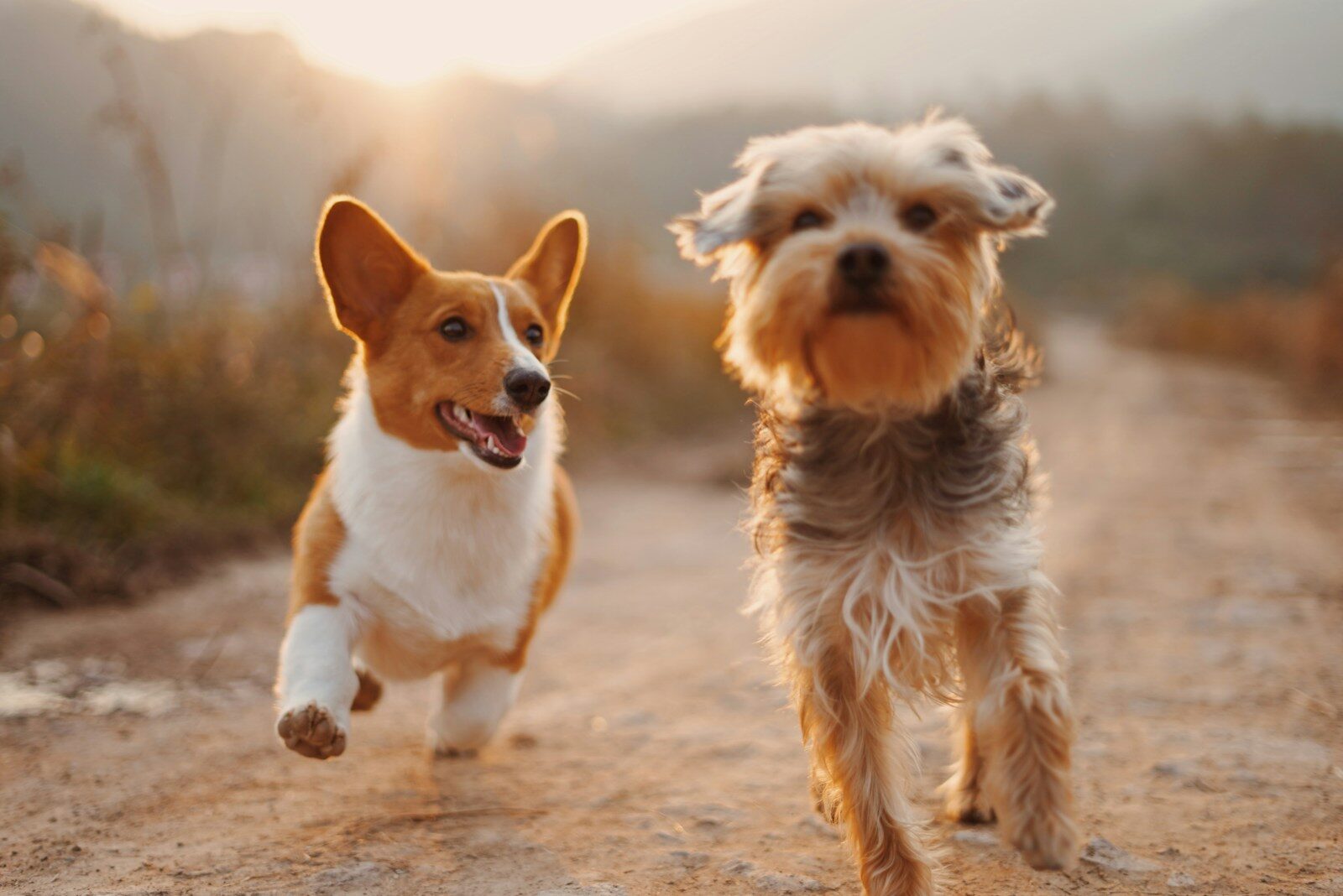
A scene that plays out around Cornwall more often than people realize. A small dog shows up in someone’s yard off McConnell Avenue. The owner is nowhere in sight. The neighbour who finds him does the thing Cornwall people often do without thinking: snaps a photo, posts it to one of the local Facebook groups, walks the dog around the block looking for clues, and then settles in to wait. Within two hours, the dog is home.
That sequence is a familiar one in this city and across SDG. The reason it works has very little to do with any one organization, and almost everything to do with the way Cornwall and the surrounding counties move information through a neighbourhood.
A network without a name
There is no formal lost-and-found pet system in Cornwall, in the sense of a single agency that handles every missing animal. The Ontario SPCA’s local district centre helps. The City’s animal services do their part. Local veterinarians scan microchips when stray animals come through their doors. But the part of the system that actually does most of the reunifications is informal. It is the dog walkers, the joggers, the postal carriers, the kids walking to school, and the people who run local Facebook groups in their spare time.
This is the part outsiders sometimes miss about small Ontario cities. When you have lived in a place like Cornwall for any length of time, you tend to recognize the dogs in your neighbourhood. You know the orange tabby in the third-house-from-the-corner window on Sydney Street, and the older Lab that goes out for a slow morning walk with the man in the green ball cap. So when an unfamiliar animal turns up in your yard, you actually do notice, and you actually do post something.
That recognition is the entire mechanism. It does not scale to a city of three million, which is part of why lost pets in big urban centres are so much harder to recover. In Cornwall and the smaller communities along the Seaway, it works.
The season is starting
May through September is the busy stretch. There are practical reasons for that. Open windows, screen doors that have not been re-tightened since fall, patio doors propped during a barbecue, kids running in and out, gates left open at backyard parties. Add in fireworks weekends through the summer and a handful of loud thunderstorms, and the conditions for a pet to slip out and disappear into a quiet neighbourhood at three in the morning are everywhere.
Cottage country compounds the problem for SDG residents who keep a place at one of the lakes or along the river. A dog who escapes a fenced yard in Cornwall has neighbours in every direction. A dog who slips off the porch at a cabin near Long Sault or Ingleside is dealing with farmland, bush, and a much smaller search radius of people who might recognize him.
The recoveries that do happen in those areas almost always come down to a few things: a clear photo posted somewhere a lot of locals will see it, a working microchip number, and patience. Most pets that get home are found within seventy-two hours. The ones that take longer are usually the ones where the photo was blurry or the posting was confined to a small group.
What helps and what does not
A few things that experienced finders in the area tend to say, after years of watching this play out:
Search the first hundred metres first. Most dogs and a fair number of cats do not run far. They hide. Garages, sheds, decks, the spot behind the recycling bins. Walk a quiet five-house loop with a soft voice before assuming the animal has travelled.
Use the photo people will actually recognize. The best photo for a lost-pet post is the clear, daylight, full-body shot that shows the markings someone might recognize from a glimpse. Cute headshots are usually less useful. If the only available photos are blurry, take a new one of a similar-looking animal as a reference and note clearly what is the same and what is different.
Post in the places locals already check. Cornwall residents tend to follow a handful of community Facebook groups, the lost-and-found feeds of the regional humane society, and at least one of the national platforms with a Cornwall section. Lost.ca’s Cornwall page is one of the latter, with sightings posted directly from the area and automatic geographic filtering. Spreading a photo across two or three of those channels in the first hour tends to be more effective than spreading it across ten over a week.
Update the microchip. The single most consistent reason a pet gets home quickly is a current microchip number tied to a working phone. When pets get home slowly, or not at all, the reason is usually that the chip was registered with an old address and the owner never updated it. The update takes five minutes and is free with most Canadian registries.
Why it still feels personal
There is a particular small-city kindness to how these stories play out in Cornwall. The dog walker who recognizes a posted photo and calls within the hour. The neighbour who notices a strange cat under a deck. The postal carrier who happens to know which house the dog actually belongs to, three blocks from where he turned up.
The system, such as it is, runs on those people. It is worth noticing them and worth saying so. When the story ends well, and most of the time it does, there is usually a small post in one of the community groups thanking the strangers who helped. Those posts are easy to scroll past. They are also the closest thing this city has to a record of how it takes care of its own.
If you find yourself in the middle of one of these situations this summer, on either side, the work is mostly straightforward. Take a clear photo, post it where locals look, walk the block while you wait, and ask the people you would normally smile at on the street. It usually works, because the people here are paying attention. That has not changed in a long time.
About the Author