

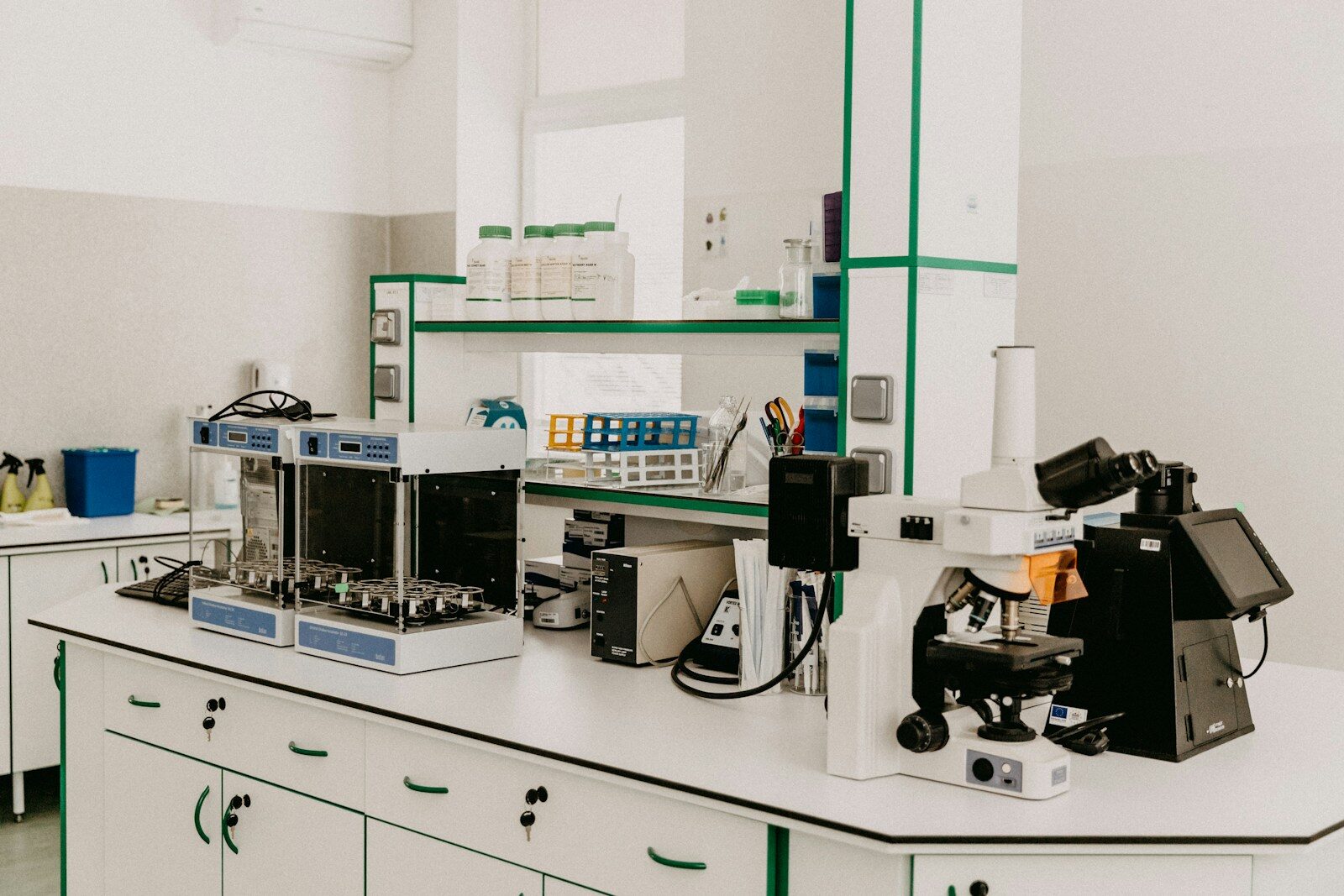
Inside the University of Windsor’s CORE Research facility, researchers in Dr. Lisa Porter’s lab spend their days studying the biology behind aggressive cancers and the mechanisms that drive uncontrolled cell growth. Recently, the research group added another focus to its day-to-day operations by joining the university’s Green Labs program.
The initiative encourages laboratories across campus to reduce their environmental impact through practical changes in energy use, waste management, water conservation, purchasing practices, and laboratory operations.
For Porter Lab, the decision came from growing awareness of the amount of waste biomedical research can generate. Cancer biology labs depend heavily on disposable plastics, refrigeration systems, sterile packaging, and equipment that often runs continuously.
Researchers Introduce Reuse Systems Inside the Lab
To comply with the Green Labs program, members of Dr. Lisa Porter’s Windsor-based lab began reviewing which materials could safely remain in circulation rather than be discarded immediately after use.
Plastic pipette tip boxes are now sterilized and reused for future experiments. Packaging bags from laboratory supplies are collected and repurposed during protein analysis procedures and hazardous waste handling. Researchers also clean selected conical tubes and media bottles for reuse when biosafety standards allow it.
Undergraduate volunteers working in Porter Lab also play a key role in maintaining those systems, spending time washing reusable supplies, preparing equipment for sterilization, organizing laboratory inventory, and processing biological waste for disposal.
Energy Consumption Becomes Another Focus Area
The research team also introduced changes to reduce electricity use at the CORE Research facility.
Equipment, including centrifuges, biosafety cabinets, and water baths, is powered down when experiments are complete rather than left active overnight. Researchers also rely on shared equipment rooms within the facility, reducing the need for multiple labs to purchase and operate duplicate instruments.
Another priority is ultra-low-temperature freezers used to preserve biological samples and research materials. Porter Lab recently joined the ULT Freezer Challenge, a program encouraging laboratories to improve freezer efficiency by reducing ice buildup, improving airflow, and removing expired samples.
Porter Lab’s ongoing sustainability efforts are coordinated by its Green Lab ambassadors, Jeffery Martin and Vanessa Riolo; Green Lab representative Dr. Fidalgo; and Dr. Lisa Porter.
Sustainability Practices Extend Beyond Lab Work
Researchers in the lab have also reduced paper consumption by moving protocols, inventory systems, and training materials onto digital platforms such as Microsoft Teams and OneNote.
In addition, the lab organizes a full-day cleanup event each December known as “Elf Day.” Students and staff spend the day recycling outdated supplies, reorganizing storage areas, cleaning workspaces, and sorting reusable materials while dressed in holiday-themed costumes.
The sustainability efforts underway in Porter Lab mirror a growing push for environmentally conscious research practices across Canadian universities.
The University of Windsor introduced the Green Labs program through its sustainability framework, which encourages environmentally responsible practices across campus research facilities, teaching spaces, and operations.
For Dr. Lisa Porter and her Windsor lab team, participation in the initiative has created new opportunities to examine how biomedical research can reduce unnecessary waste and energy consumption while continuing to advance its work on cancer biology and disease treatment.
About the Author