

When most people picture demolition, they imagine a wrecking ball swinging into a wall or a building collapsing in a dramatic cloud of dust. The reality is far more methodical and, frankly, more interesting. A professional demolition is a carefully planned, tightly controlled process with multiple stages, each one designed to keep people safe, protect surrounding property, and leave you with a clean site ready for whatever comes next. Whether you are a homeowner clearing the way for a rebuild or a business preparing a site for redevelopment, knowing what to expect takes the mystery, and a lot of the stress, out of the project.
From the first site assessment to the final cleanup, here is a clear walkthrough of how a professional demolition actually unfolds, and why each step matters more than you might think.
Demolition is also far more sustainable than its dramatic reputation suggests. According to EPA data, about 76 percent of construction and demolition debris is recovered or recycled rather than landfilled, much of it from demolition projects. That is one reason it pays to work with an experienced residential and commercial demolition contractor who handles the work safely, responsibly, and with an eye toward reusing as much material as possible.
Step One: Assessment and Planning
Every sound demolition begins long before any structure comes down. The first step is a thorough assessment of the site and the building. A professional team evaluates the structure, identifies potential hazards, considers the surrounding property, and maps out exactly how the demolition will proceed. This planning stage is where safety and efficiency are built in from the start.
Good planning anticipates challenges before they become problems, from how to protect neighbouring structures to how equipment and debris will move on and off the site. The care taken here is a big part of what separates a smooth project from a chaotic one. A clear plan keeps everything moving without unnecessary, and often costly, delays.
Step Two: Permits and Compliance
Demolition is heavily regulated, and for good reason. Before work begins, the proper permits must be secured and the project must comply with local rules and environmental standards. Navigating this can be daunting for a property owner, which is one of the major advantages of hiring a professional team that handles the paperwork and ensures everything is above board.
Skipping or mishandling this step can lead to serious legal and financial headaches. A licensed and insured contractor understands the requirements and makes sure your project meets them, so you can move forward with confidence rather than worry.
Step Three: Hazardous Material Removal
Here is a step many people do not anticipate: before a building can be safely demolished, hazardous materials must be identified and removed. Older structures in particular may contain substances like asbestos, mould, or lead, which require careful, certified handling to protect everyone involved and to comply with regulations.
This process, known as abatement, is a critical safety stage. Specialists locate, isolate, and safely remove these materials before demolition proceeds. It is not a corner that can ever be cut, and it is a key reason professional expertise matters so much in demolition work.
Step Four: Utility Disconnection
Before anything comes down, the utilities serving the building, such as water, gas, and electricity, must be properly disconnected. This is an essential safety measure that prevents dangerous situations during demolition, from gas leaks to electrical hazards. Coordinating these disconnections is part of the careful preparation that precedes the actual teardown.
It is a behind-the-scenes step that rarely gets attention, but skipping it would be both dangerous and irresponsible. A professional team ensures every service is safely shut off before work begins.
Step Five: The Demolition Itself
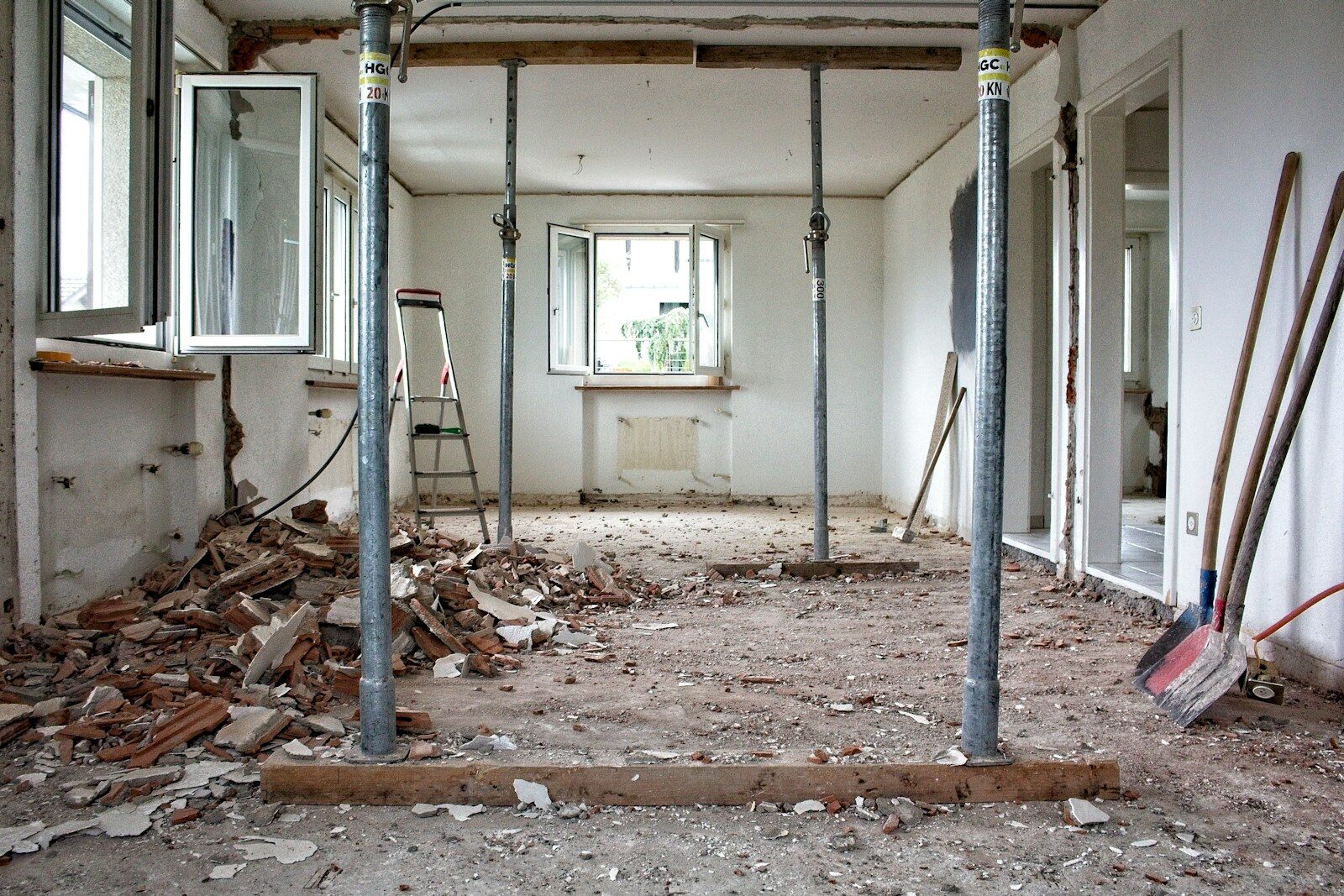
With planning done, permits secured, hazards removed, and utilities disconnected, the actual demolition can begin. Depending on the project, this may be a full teardown of an entire structure or selective demolition, where only specific parts of a building are removed while the rest is preserved. The right approach depends on your goals.
This stage is carried out with specialized equipment and strict attention to safety, protecting nearby structures and minimizing risk throughout. Far from random destruction, it is a controlled process executed according to the plan, bringing the structure down safely and efficiently.
Step Six: Debris Removal and Site Cleanup
Once the structure is down, the work is not over. The debris must be cleared away, sorted, and disposed of or recycled responsibly. As the recycling figures show, a great deal of demolition material can be diverted from landfills and given a second life, which is better for the environment and increasingly expected on modern projects.
The goal of this final stage is to leave you with a clean, level site, a blank slate ready for the next phase of your project. A quality contractor takes pride in leaving the site organized and construction-ready, not strewn with leftover rubble.
Why Professional Demolition Matters
Looking at all these steps together, it becomes clear why demolition is a job for experienced professionals rather than a do-it-yourself undertaking. Each stage involves safety considerations, regulatory requirements, and specialized knowledge. A misstep at any point, from overlooked asbestos to an unsecured utility line, can have serious consequences.
A reputable demolition contractor brings the training, equipment, licensing, and accountability to handle all of it properly. The result is not just a building taken down, but a project completed safely, legally, and smoothly, keeping the rest of your construction timeline on track.
The Takeaway
A professional demolition is a carefully orchestrated process: assessment and planning, permits and compliance, hazardous material removal, utility disconnection, the controlled demolition itself, and thorough cleanup that often recycles much of the material. Each step exists to protect people, property, and the environment while keeping your project moving. Understanding the process helps you appreciate why expertise matters and what you are really paying for when you hire the right team. When demolition is done properly, the dust settles on a safe, clean site ready for whatever you build next.
About the Author