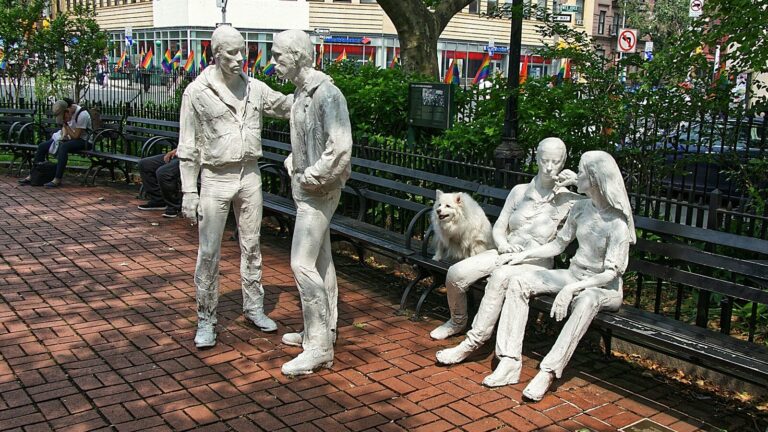


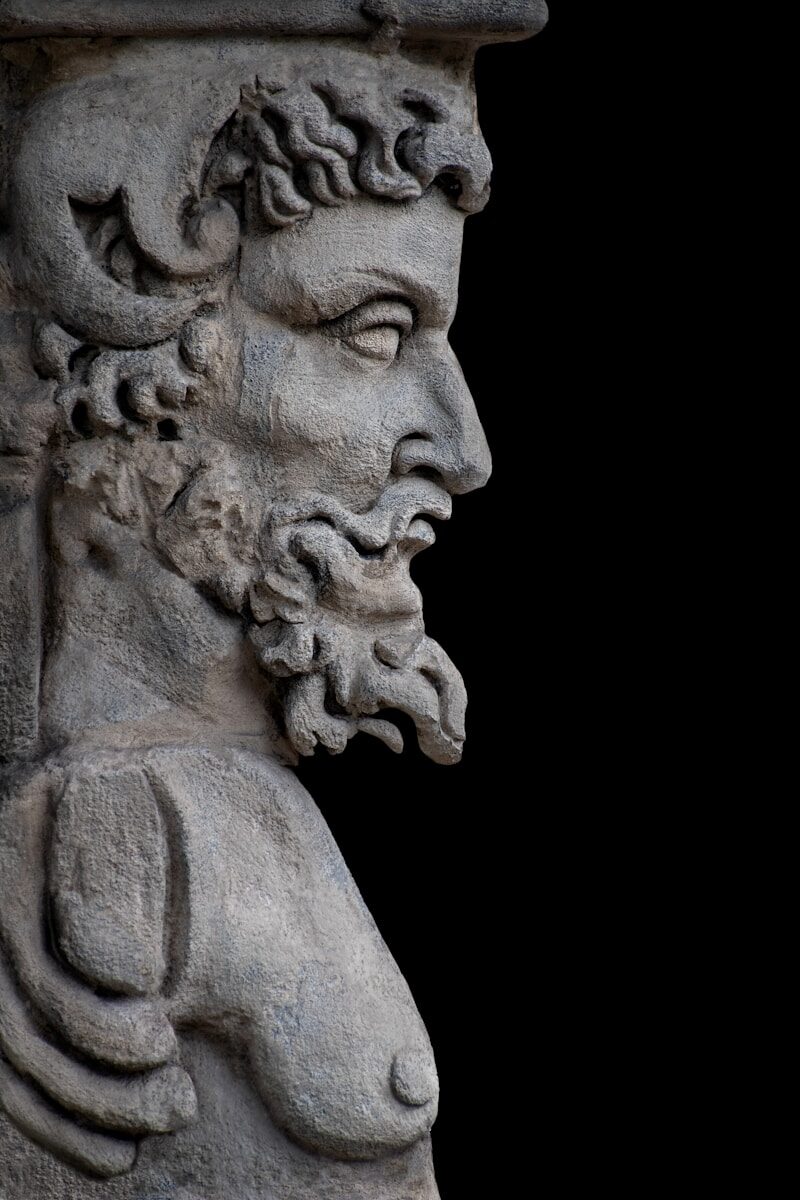
Playoff season is upon us, a time for hockey fans to cheer on their favourite teams and players. Today, male athletes often embody ideals of heroism once associated with mythological figures,
soldiers, and royalty.
What is looksmaxxing? Why are some young men reshaping their jaws to achieve sculpted features? What is toxic masculinity? Many young men are pursuing not only physical beauty, but also religion and conservative political movements.
Artists are paying attention as they have done for time immemorial. Here is a small selection of both the historical and contemporary takes that visual artist have done on men, the male figure and masculinity…….
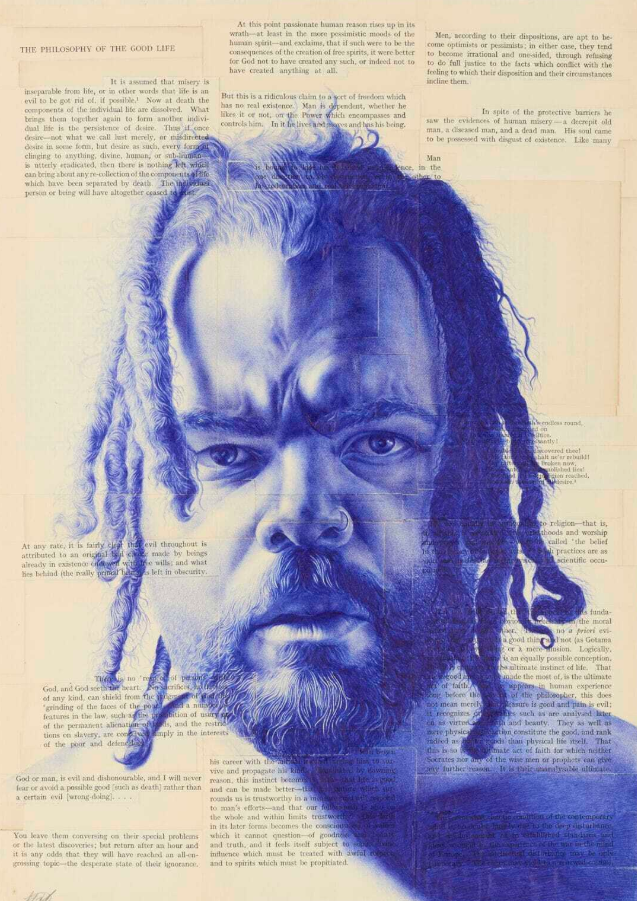
With ballpoint pen in hand working on found fragments of philosophical and historical writings, Habib Hajallie delves into the realm of memory, connection, and loss. This British artist often celebrates Black cultural figures and beloved family members, along with examining his own firsthand experiences as a British man of Sierra Leonean and Lebanese heritage.
Hajallie typically works with black ballpoint ink for a recent series he uses blue. With This Mind Hath Demolition Reached, 2025 the drawings’ composition has the intensity of a photographic headshot. There’s undeniable strength to the figure’s gaze; it is searing and present. The textual background acts in opposition to the hyper masculine realistic physical presence, suggesting an intellectual perspective. The figures’ coiled dreadlocks hang vertically drawing attention to the horizontal rhythm and repetition of the text.
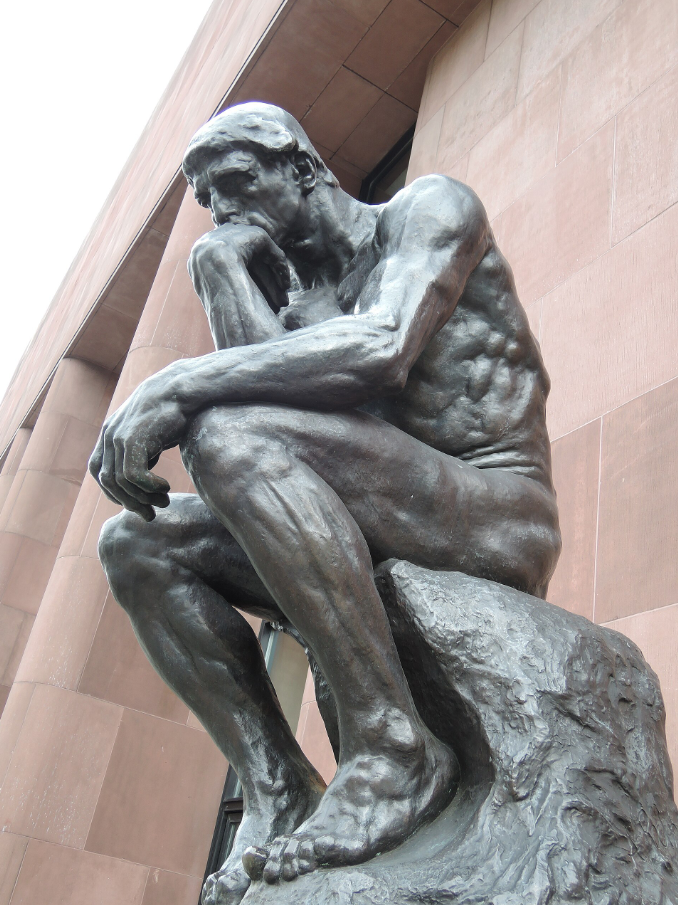
Rodin’s seminal figure the Thinker is one of the world’s most recognizable sculptures. Rodin famously stated that his subject didn’t only think with his brain and furrowed brow, but with “every muscle of his arms, back, and legs,” capturing both intense physical power and deep internal concentration. From a small maquette size for meant to depict the poet Dante Alighieri Rodin created a larger-than-life monumental figure.
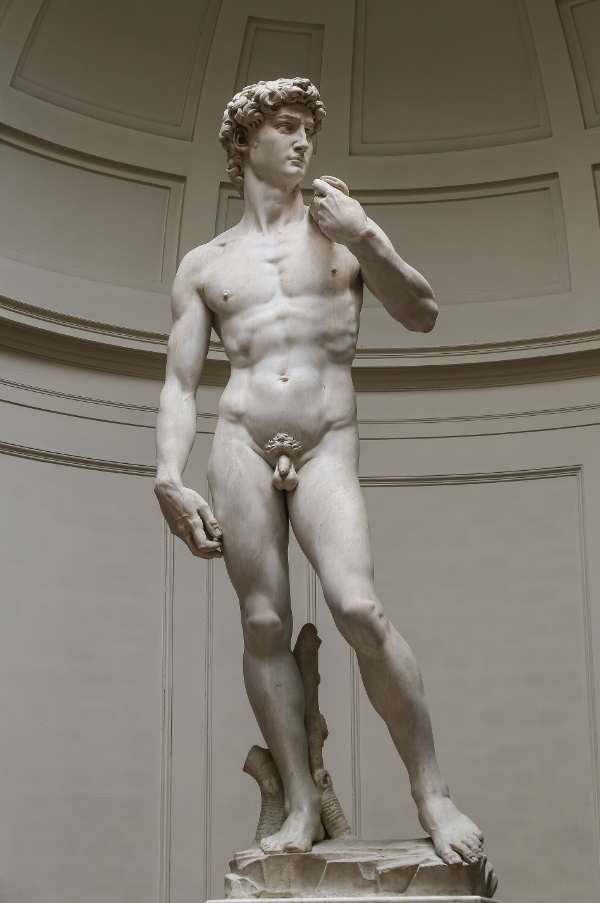
Standing 17 feet tall, Michelangelo’s David 1501-4, was carved from a ruined block of marble abandoned for nearly 25 years after two previous sculptors deemed it too difficult to work with.
Michelangelo took on the challenge at age 26. Michelangelo chose to depict David before the battle, full of calm and concentration as he sizes up the giant Goliath. By not depicting Goliath with David as was the norm for Renaissance artists, Michelangelo forces us to focus on David’s lithe and classical body, beautiful but capable, especially at 17 feet tall.
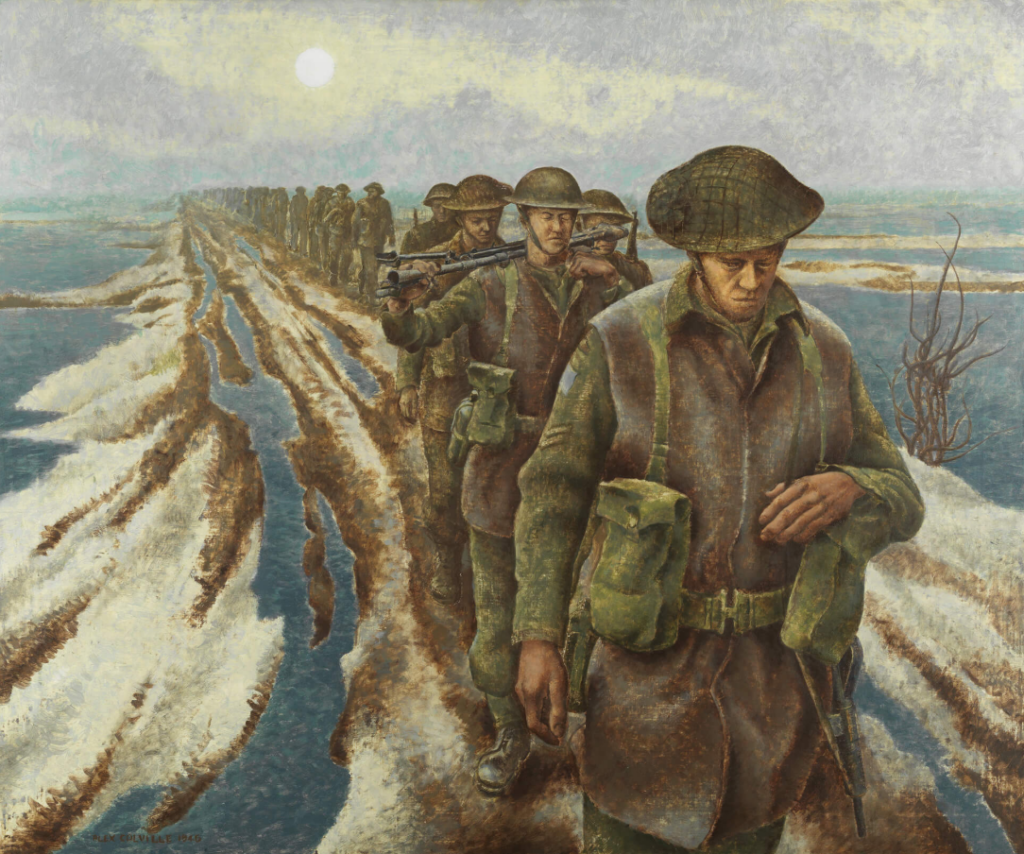
In 1945, Alex Colville was one of three Canadian artists sent to document the newly liberated Bergen-Belsen concentration camp. This experience had a profound impact on him and his perception of the dark extremities of human behavior.
Colville created seventeen sketches for the painting Infantry, near Nijmegen, Holland, 1946. The moving canvas depicts soldiers of the 3rd Canadian Infantry Division trudging along in a flooded field. He meant the piece to showcase both heroism and the enduring persistence of humanity in the face of nature and constant danger. In the finished version of Infantry, Colville used his own father’s face for the very first soldier in the marching line, adding a personal element to a historical record.
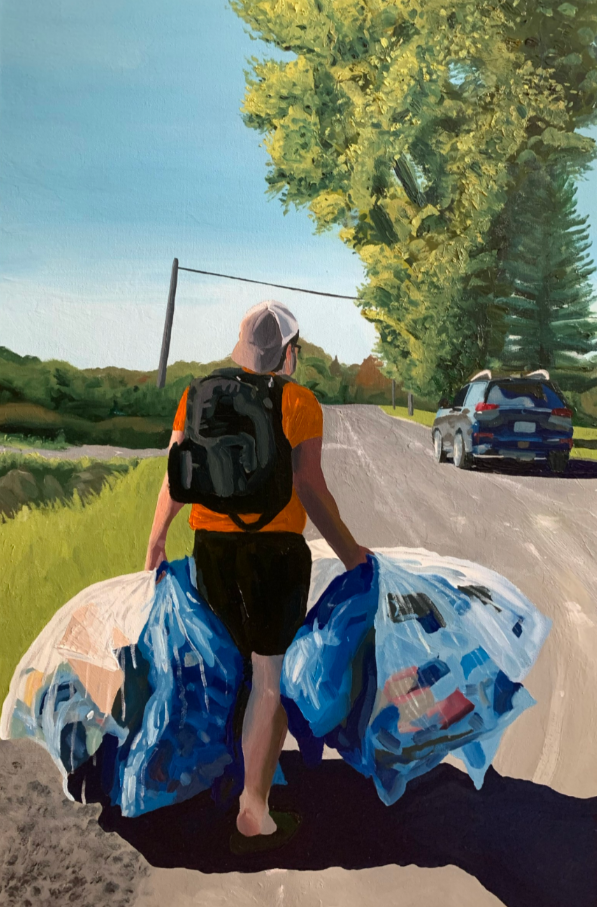
Recent Queens University graduate and Cornwall, Ontario native Alex Vachon was tasked while doing his Fine Arts degree with choosing a contemporary topic. Vachon chose waste.
In doing so he immersed himself in the subject and spent time going around Kingston picking up garbage. From this performative approach Vachon created a series of paintings that highlight not only waste but the fate of many inner-city men and issues arising from homelessness and addiction, which the artist subsequently encountered.
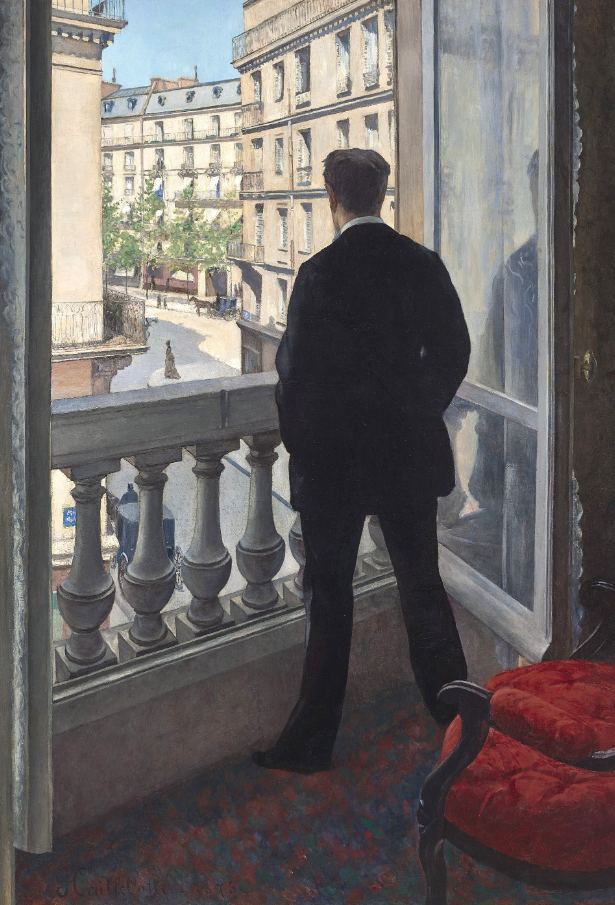
The man in the window in Gustave Caillebotte’s painting Young Man at his Window, 1876, is in fact the artist’s younger brother, René. Tragically, René had no profession, was in heavy debt, and died just six months after posing for the painting.
Caillebotte made his public debut as a painter with this artwork. It brilliantly frames the observer: The painting physically and psychologically separates the isolated, shadowy interior from the
vibrant, Parisian street.
Arguably the image places both the model and the viewer in a position of privilege. This framing suggests a modern view of a changing world and man’s place in it.
About the Author