


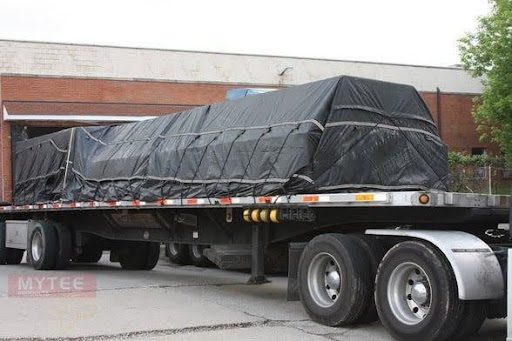
Securing sharp edges under flatbed truck tarps is more important than many drivers think. One small mistake can rip your tarp and damage your cargo. With the right steps, you can protect your load and extend tarp life. Let’s break it down in a simple, practical way.
Identify and Inspect Sharp Edges
When it comes to securing sharp edges under flatbed truck tarps, the first and most important step is to identify and inspect every potentially dangerous corner or point. Sharp edges can tear tarps, damage cargo, and even create safety hazards if left unprotected. Spending a few extra minutes checking your load can save you time, money, and stress on the road.
Spotting Sharp Corners and Protrusions
Start by looking closely at your cargo. Metal pieces, bolts, pipes, and any uneven surfaces are the usual suspects. Don’t just glance over the load; get down at eye level to see edges that might not be obvious from standing height. Remember, even small protrusions can cut through a tarp if the wind catches it while driving.
Checking Load Stability
While inspecting edges, also check how your load is sitting on the truck bed. If items shift easily or have corners sticking out, they’re more likely to damage the tarp. Make sure everything is positioned securely and consider rearranging objects to minimize sharp points near tarp contact areas.
Marking High-Risk Areas
Once you’ve identified sharp spots, mark them mentally or with temporary tape or chalk. This makes it easier to know where to place padding or protective materials. Being thorough here ensures that when you cover the load, no dangerous edges are left exposed.
Planning Your Protection
Inspection is not just about finding edges; it’s about preparing for the next step. Knowing exactly where the sharp points are helps you decide how much padding or protective material you’ll need and where it should go. A careful inspection at the start makes the tarp placement process much smoother and more effective.
Choose the Right Edge Protection Materials
Choosing the right edge protection materials is key when securing sharp edges under flatbed truck tarps. The right materials act like a shield, keeping your tarp safe from cuts and tears while protecting your cargo from damage. Picking the wrong ones can mean wasted time and costly repairs.
Foam Padding for Flexible Protection
Foam padding is a popular choice because it molds around edges and corners easily. It’s lightweight, easy to cut to size, and provides a soft barrier between the tarp and sharp surfaces. Foam works well on irregular shapes like pipes or metal brackets, cushioning the tarp and absorbing pressure during transit.
Rubber and Plastic Guards
Rubber or plastic edge guards are durable and long-lasting. These guards are perfect for heavy, sharp metal edges that could easily pierce a tarp. They slide over corners or wrap around protrusions, giving a strong protective layer. Unlike foam, they don’t compress too much, so they keep edges fully covered even under heavy loads.
Cardboard and Temporary Solutions
Cardboard can be a handy, inexpensive solution if you need quick protection. While not as durable as foam or rubber, layering cardboard can help reduce friction and prevent small tears. It’s best used for short trips or as an extra layer over other padding materials.
Choosing Weather-Resistant Options
When picking your materials, think about the weather. Rain, snow, or sun can weaken some materials over time. Foam, rubber, or plastic that resists moisture and UV rays will last longer and continue protecting your sharp edges on multiple trips.
Selecting the right edge protection materials makes securing sharp edges under flatbed truck tarps safer and easier. By using foam, rubber, or layered cardboard, you reduce the risk of tarp damage and keep your cargo intact, trip after trip.
Step-by-Step Securing Process
Securing sharp edges under flatbed truck tarps is all about taking it one step at a time. Following a clear, step-by-step process ensures your tarp stays intact and your cargo stays safe throughout the trip.
Place Padding Over Sharp Edges
Start by covering every sharp corner and protrusion with your chosen padding material. Foam, rubber guards, or cardboard should fully wrap each edge. Make sure the padding is thick enough to prevent the tarp from rubbing against metal or other hard surfaces. Take your time—skipping even one edge can lead to tears.
Secure the Padding
Once the padding is in place, hold it firmly with tape, straps, or zip ties. This keeps it from shifting while you lay the tarp over the load. Properly secured padding won’t slide around in the wind, and it maintains a protective barrier where it’s needed most.
Carefully Drape the Tarp
Next, slowly unfold or drape the tarp over the padded load. Avoid pulling it too tightly at first, because sharp edges can create stress points and cause rips. Make sure the tarp covers all sides evenly, including corners and edges, without bunching or stretching.
Tighten Straps Evenly
After the tarp is in place, use straps or bungee cords to secure it. Tighten them gradually and evenly to maintain balance. Uneven tension can create pressure points over sharp edges, which defeats the purpose of your padding. Check each corner and edge one last time to ensure complete coverage.
Tarping Tips and Maintenance
Tarping tips and maintenance are just as important as securing sharp edges under flatbed truck tarps. Even if you’ve padded every corner, a poorly maintained tarp or sloppy setup can cause damage. A few smart habits will keep your tarp and cargo safe for the long haul.
Check Tarp Positioning
Always make sure the tarp is evenly spread over your load. Wrinkles, folds, or loose spots can catch the wind and place extra stress on sharp edges. Take a moment to smooth out the tarp, ensuring it fully covers all corners and edges without pulling too tightly.
Inspect and Repair After Every Trip
After each trip, inspect your tarp and padding for wear or damage. Look for small tears, fraying straps, or flattened padding. Fix any issues immediately; delaying repairs can lead to bigger problems on the next trip. Even minor damage can quickly turn into a serious tear if left unchecked.
Keep Extra Padding and Straps Handy
It’s always smart to carry spare padding, corner guards, tape, and straps in your truck. Having these on hand allows you to fix problem areas quickly before they cause tarp damage or cargo issues. Being prepared can save you time and money.
Protect Against Weather
Weather can weaken tarps over time. Sun, rain, and snow can degrade material, making it more likely to tear. Choosing weather-resistant tarps and storing them properly when not in use will extend their lifespan and ensure sharp edges stay protected.
Conclusion
Learning how to secure sharp edges under flatbed truck tarps can save you money and stress. It also keeps your cargo safe on the road. Use the right materials, follow simple steps, and check your load often. Small efforts make a big difference in keeping everything secure and damage-free.
About the Author


![6abe94394c84c[1]](https://theseeker.ca/wp-content/uploads/2026/10/6abe94394c84c1-768x434.webp)