
Walls are quiet… Most of the time.
Sometimes they begin to speak to you though. In little whispers. A tiny fissure over here. An unusual bulge over there. Perhaps a damp spot that’s soft when you touch it. They’re trying to tell you something.
The good news? Most problems with walls can be identified and remedied before they become costly repairs.
This article explains precisely what your walls are trying to say and how to handle it.
Inside this guide:
- The Most Common Wall Problems And What They Mean
- Why Cracks Aren’t Always Scary (But Sometimes Are)
- The Damp Issue Hiding Behind Many Wall Faults
- When Wet Plastering Becomes The Fix
- How To Catch Problems Early
What Are Walls Actually Saying?
Walls move. All of them. Old, new, brick, plasterboard… it doesn’t matter.
They expand. They shrink. They settle. They breathe with the seasons.
When things are going well, movement is minimal and imperceptible. However, if something isn’t right — moisture, structural movement, low quality materials, improper installation — the wall will begin to tell the tale.
This is where wet plastering comes in. Wet plastering is when a wet mix is plastered directly onto walls, traditionally. The plaster creates a smooth solid wall surface that sticks to the wall itself preventing cracks and small movement. A lot of people employ professional interior plastering work when they are looking for a long lasting solution to cracked walls or problems such as damp or general wear.
However, before dialing anyone’s number, it helps to know what exactly those walls are telling you.
Hairline Cracks: Tiny But Telling
Hairline cracks are super common. Almost every home gets them eventually.
They show up because of:
- Seasonal movement — walls expand in heat and shrink in cold
- Plaster drying — new plaster always cracks a little as it cures
- Vibration — from doors slamming or heavy traffic outside
Most hairline cracks are not structural. They are cosmetic. Typically, just filling and painting will fix them.
Here’s the thing though…
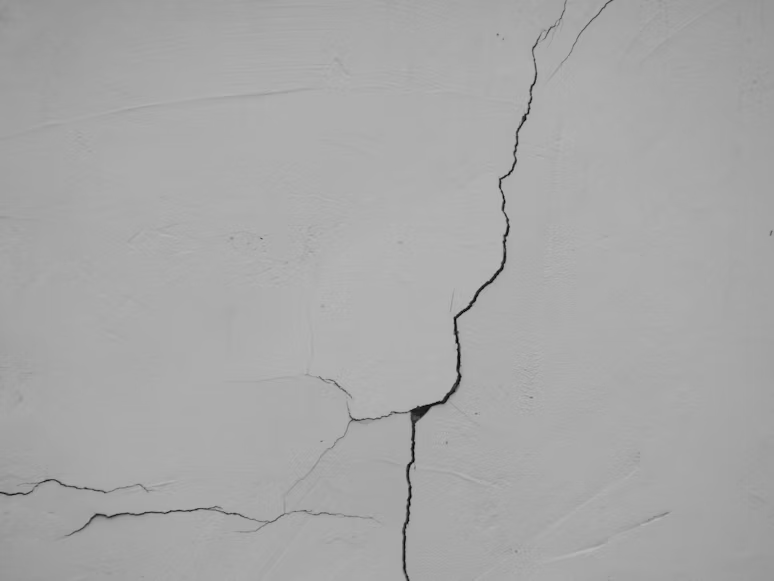
If hairline cracks reappear in the same place over and over that is not normal. That wall is trying to tell you something is happening below the surface. It could be water penetrating past the plaster. It could be the plaster failing itself. It could be movement in the wall behind the plaster exceeding tolerances.
Either way, repeat cracks deserve a closer look before they get worse.
Big Diagonal Cracks: The Serious Warning
This is where you need to pay attention.
Diagonal cracks – cracks that angle across a wall surfaces typically near windows or door frames – are generally a structural problem. They commonly indicate movement of the building. Research into climate change suggests over 40% of London homes could be impacted by subsidence by 2030 due to clay soils drying up.
That’s a lot of cracks.
Look out for these signs:
- Cracks wider than a 10p coin (about 3mm)
- Cracks that keep growing
- Doors and windows that suddenly stop closing
- Skirting boards pulling away from walls
Before you think about filling cracks like these, get a surveyor in first. Skimming over structural cracks will only disguise the problem. They will reappear in weeks.
Bumps And Bulges: When Walls Push Outward
Bumps and bulges are sneaky. People often miss them until they get really bad.
A bulge generally indicates that the plaster has detached itself from the surface behind the bulge. “Blown plaster” is the result of:
- Trapped moisture behind the plaster
- Old age — some plaster just gives up after decades
- Poor original work — the plaster never bonded properly
Tap around any suspicious bumpy area. If it sounds hollow you have found where the plaster has separated away. Solution? Rip it all the way back down to the wall and replaster. Herein lies the beauty of wet plastering. You can create a new, well bonded surface.
Trying to mud a bulge or paint over it almost never succeeds. The plaster continues to pull away and the bulge reappears.
The Damp Problem Behind Many Wall Issues
A massive amount of wall problems trace back to one thing — damp.
Damp ruins plaster. It causes:
- Staining
- Bubbling paint
- Salt deposits (those weird white crystals)
- Plaster crumbling and falling off
And this issue affects millions. England’s Housing Survey reported 1.4 million UK homes had a damp problem in 2024. That’s up significantly from 2022.
That’s a lot of walls quietly failing.
If it is damp you’re fighting then plastering will not solve the problem. You have to fix whatever caused the problem first — leaking pipe, DPC failure or simply lack of ventilation. Once fixed wet plastering can be used as part of the remedial works.
When Wet Plastering Is The Right Fix
Wet plastering isn’t always needed. Sometimes a quick patch job is fine.
But there are times when proper wet plastering is the only real answer:
- Large areas of blown plaster — patching looks awful, replastering looks seamless
- After damp treatment — a fresh plaster coat seals everything properly
- Old tired walls — years of patches pile up and you want a fresh start
- New extensions or renovations — achieve that smooth professional finish with wet plaster
Wet plastering is a longer process than dry lining but the plaster needs time to dry. However, the result is smoother. Harder. More durable.
How To Catch Wall Problems Early
Catching problems early saves money. Lots of it.
Here’s what you should be doing:
- Walk around every room once a month — look at walls properly
- Mark any cracks with a pencil — include the date so you know how fast they grow
- Tap on suspicious bumps — hollow sound means blown plaster
- Check for damp smells — musty smell means moisture is sitting somewhere
- Look behind furniture — problems love to hide where nobody can see
The earlier you catch it, the smaller (and cheaper) the fix.
Final Thoughts
Walls talk. Loudly, sometimes. Quietly, other times.
Cracks, bumps and bulges all mean exactly that. Hairline cracks are normally nothing to worry about. Diagonal cracks require a surveyor. Bulges equal blown plaster. Damp stains mean moisture is penetrating.
The trick is knowing which is which.
Rendering is a great solution for blown plaster, walls damaged by damp and general shabby surfaces. Wet plastering creates a hard smooth surface that can last decades when applied correctly. It does however rely on the cause of the damage having been addressed.
Instead of painting over that weird mark on your wall next time, pause. Observe. Interpret what your wall is whispering to you.
Then fix it properly.
About the Author