


Strong family traditions do more than create fond memories. They establish routines that improve communication, reinforce shared values, and give every family member a stronger sense of belonging. Unlike expensive vacations or elaborate celebrations, meaningful traditions are often simple. They rely on consistency rather than cost.
Research continues to show that regular family rituals contribute to emotional resilience, better social development, and healthier relationships. Small, repeated activities become anchors that children and adults carry with them for years.
Why Traditions Matter
Family traditions provide structure in a fast-moving world. They create predictable moments where everyone can reconnect without distractions. Over time, these experiences become part of a family’s identity.
According to the American Psychological Association, shared family routines are associated with stronger emotional well-being, healthier relationships, and improved resilience in children and adults alike. This highlights how consistent family habits can positively influence mental and emotional health.
Traditions also encourage face-to-face interaction. That matters as digital devices increasingly compete for attention. Even one dedicated family activity each week helps maintain meaningful conversations that might otherwise disappear.
Preserve Shared Memories
Traditions create stories worth remembering. Documenting them ensures those moments remain accessible for future generations.
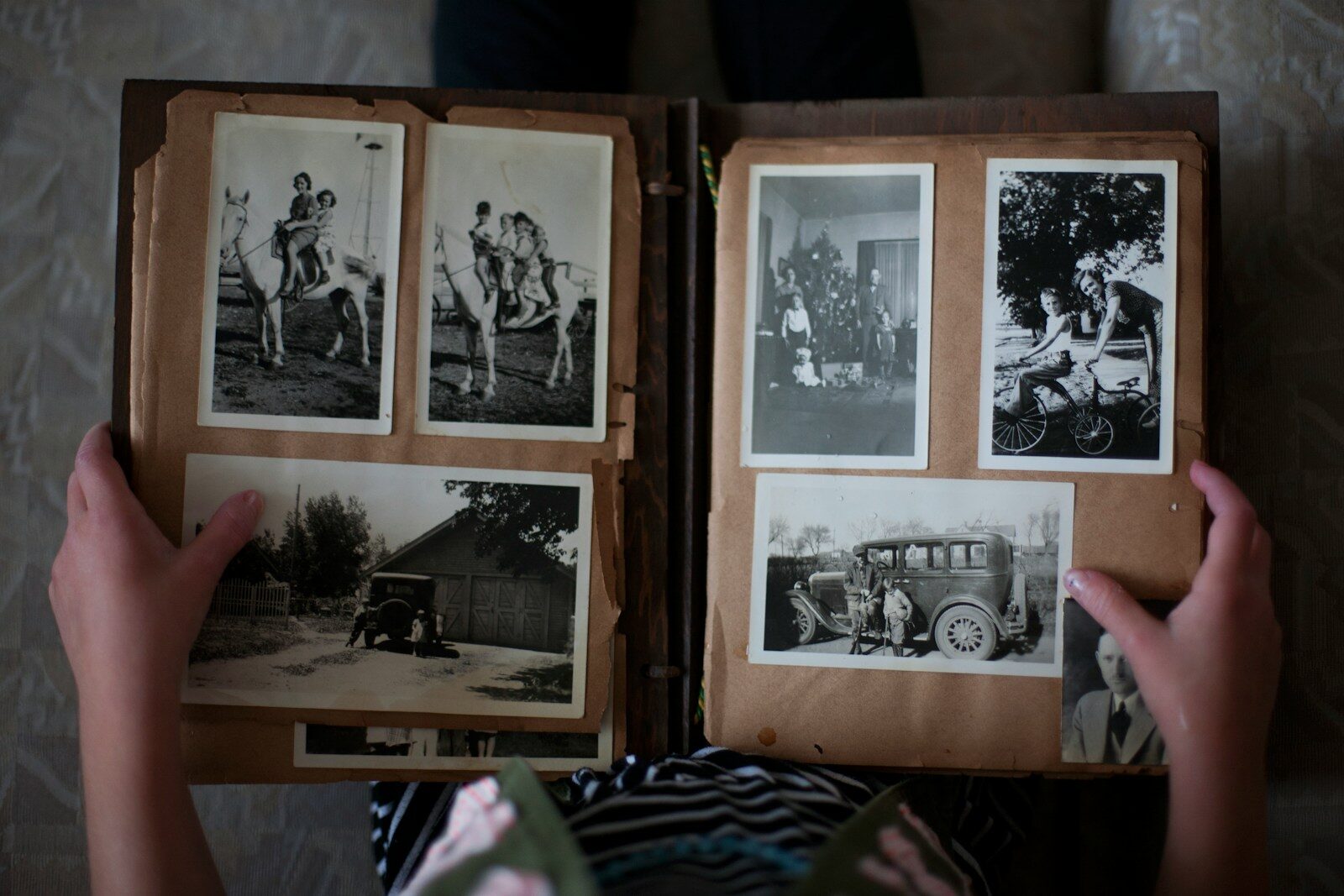
Many families organize yearly vacations, birthdays, holiday dinners, or school milestones into photo books. A printed collection tells a chronological story that digital galleries rarely achieve. It also becomes easier to revisit family experiences without searching through thousands of files spread across multiple devices.
Printed collections encourage storytelling. Grandparents share memories. Children ask questions. Each page becomes part of a family’s history.
Build Traditions Around Everyday Life
Traditions do not need to revolve around holidays. The strongest ones often grow from ordinary routines.
Examples include:
- Friday family movie nights
- Sunday breakfast cooked together
- Monthly nature walks
- Reading together before bedtime
- Annual neighborhood volunteer projects
These activities require little planning. The consistency matters far more than the activity itself.
Families often underestimate how repeated experiences strengthen emotional connections. Familiar routines reduce stress because everyone knows what to expect.
Encourage Active Participation
Successful traditions involve everyone.
Avoid activities where one person plans everything while others simply participate. Instead, rotate responsibilities.
For example:
- One family member chooses the weekly recipe.
- Another selects the movie.
- Children help plan holiday decorations.
- Teenagers organize the next family outing.
- Grandparents share family stories or recipes.
Participation creates ownership. Ownership encourages long-term commitment.
Children who contribute also develop confidence and decision-making skills. These benefits extend beyond the tradition itself.
Create Digital Boundaries
Technology offers convenience, but it also fragments attention.
Many families establish technology-free traditions. Phones stay off during dinner. Tablets remain in another room during board games. Notifications wait until the activity ends.
This approach creates uninterrupted conversations.
Removing digital distractions also improves memory formation. People remember experiences more vividly when they are fully engaged rather than splitting attention between conversations and screens.
Families should communicate these expectations clearly so everyone understands the purpose. The goal is not to eliminate technology but to create intentional moments without it.
Celebrate Small Milestones
Major celebrations happen only a few times each year.
Smaller milestones provide more opportunities to connect.
Consider recognizing:
- Completing a school project
- Learning a new skill
- Starting a new job
- Personal fitness achievements
- Acts of kindness within the family
Simple celebrations reinforce positive behavior without becoming elaborate events.
A favorite homemade dessert or handwritten note often carries more meaning than expensive gifts.
Keep Traditions Flexible
Life changes.
Children grow older. Work schedules shift. Family members move to different cities.
Traditions should adapt instead of disappearing.
Virtual dinners, shared online games, or collaborative digital scrapbooks can help long-distance families maintain continuity. The activity may change, but the commitment remains the same.
Flexibility also prevents traditions from feeling like obligations. Families should adjust frequency or format as needed while preserving the original purpose.
Focus on Consistency
The most meaningful traditions are rarely the most elaborate.
They happen regularly. Everyone understands their importance. Participation becomes natural instead of forced.
Strong traditions improve communication, preserve family history, and strengthen relationships over time. They also create reliable opportunities for connection in increasingly busy lives.
Families do not need to introduce several traditions at once. Starting with one simple routine and maintaining it consistently often produces the greatest long-term impact. Small actions, repeated year after year, become the experiences people remember most.
About the Author