

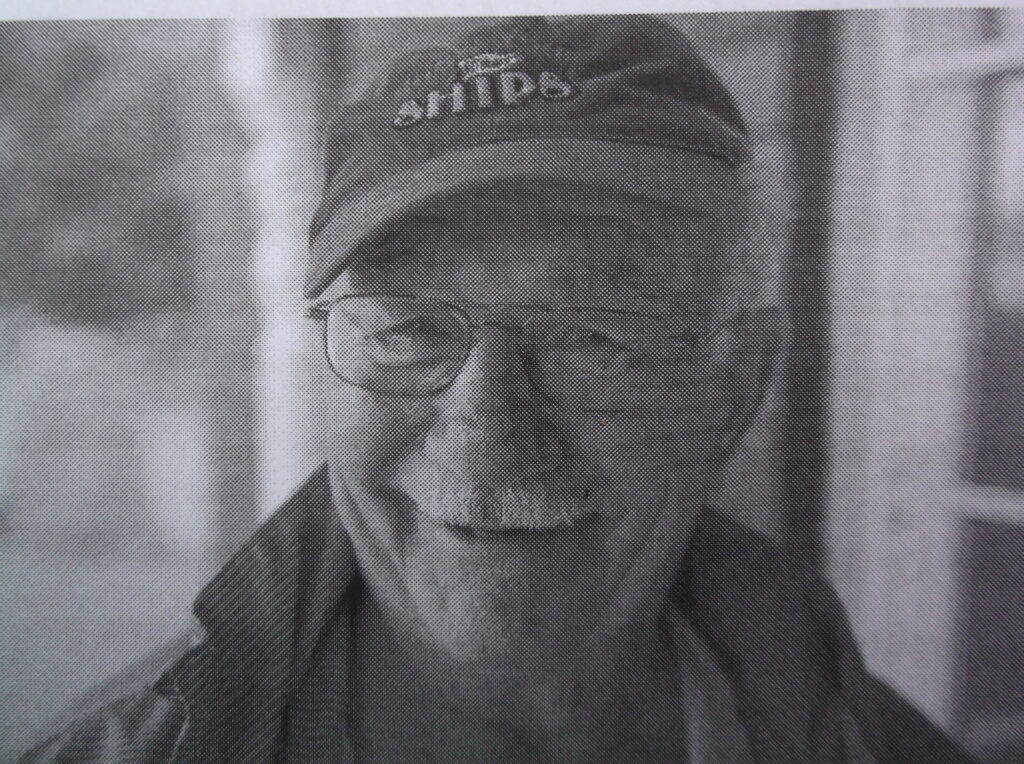
Historian and Lost Villages champion Jim Brownell endorsed the book saying: "Having enjoyed the stories expressed by Alan Rafuse in his lifetime. It was such a joy to read his written words in Views From the Pilot House. Besides being a river man, Alan was a story teller and poet, and Ginette has woven his thoughts so carefully into the text of this book. Indeed, this book is a wonderful tribute to Alan and his life on the river and then as the story-telling volunteer with the Lost Villages Historical Society."
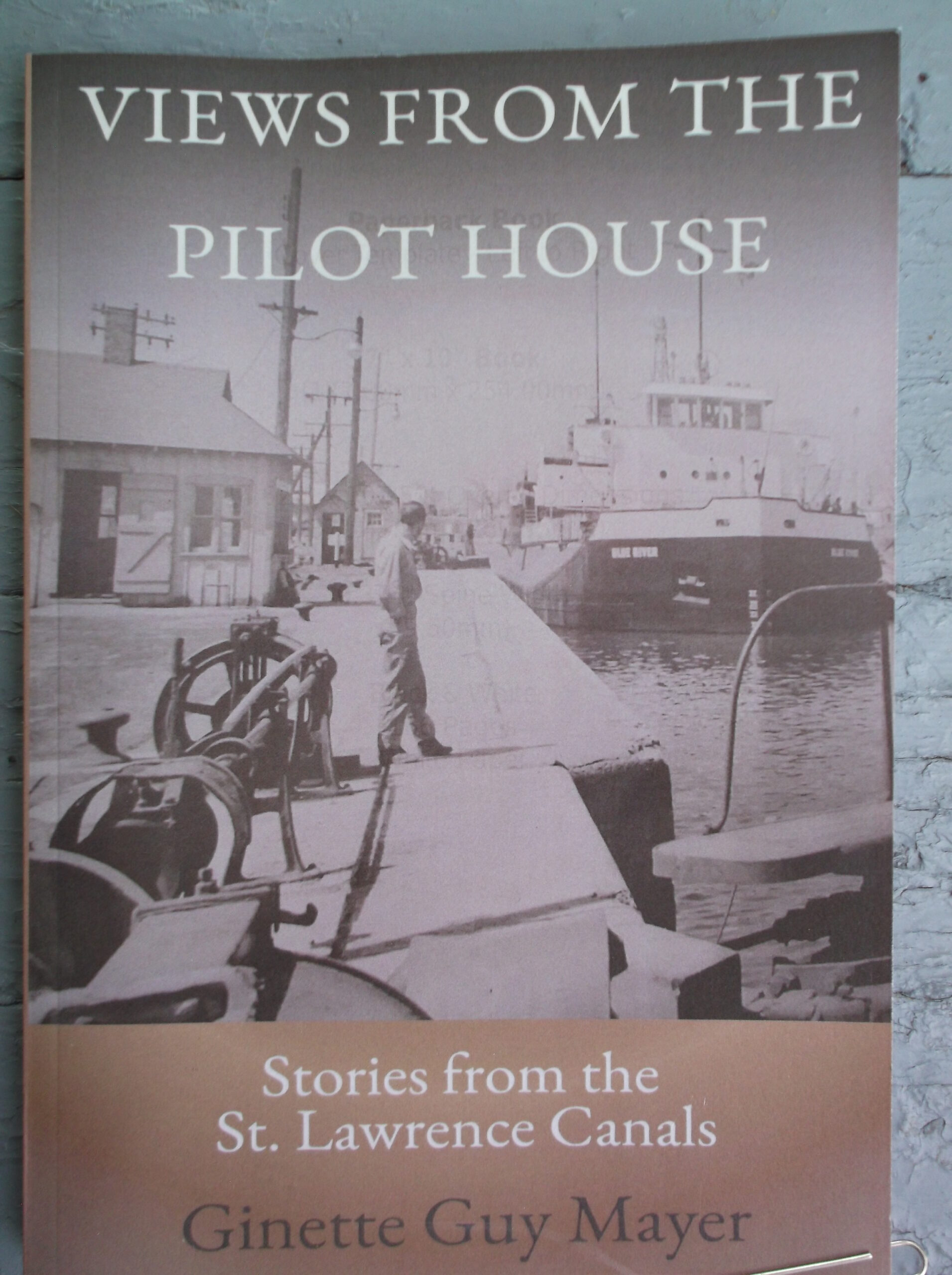
History is a puzzle that is rarely completed. Local historian Ginette Guy Mayer in her exceptional interpretation of former canaler Alan Rafuse’s 56 stanza poem “The Canaler (A Trip),”has filled-in one of the most significant pieces of the history of the pre Seaway era river, in her new book Views From the Pilot – Stories from the St. Lawrence Canals.
Until now, books about the St. Lawrence and the Cornwall and Williamsburg Canals, describe the river from the shore. This ground-breaking book provides the reader with a first -hand view of the shore, from the river, by a seaman. Describing river life in his epic poem, sailor Alan Rafuse, lets the reader experience the river as canalers lived it. “One of the boys,” Alan sets the tone with the following stanza describing what happened after a riverboat docked in Montreal:
Spending time in Montreal
Was a real treat at the end of the haul.
‘Twas time to let loose at the end of the day.
Do your thing and be on your way.
Allan also captures pre Seaway life as seen from the deck of a canal boat:
“Moulinette was in passing,
And then the ‘Frying Pan,’
Three blasts of the whistle about the point,
And the ‘swing bridge’ would open its span.Mille Roches and its busy paper mill
Were seen along the way.
The school house and cheese factory,
You could smell the curds and whey.
The book is more than Allan’s poetry, in the capable hands of local historian Ginette Guy Mayer, the reader has a new history of the river and the canals, presented in three sections, enhanced with 58 historic photographs and archival records.
As a prelude, Ginette provides an overview of the river’s history and the early attempts to tame it, and protect us from potential American invasion. In doing so Ginette t races Cornwall’s growth from a small Protestant, Loyalist outpost, to a village with a large Irish Catholic population, of “navvies” and their families, who dug the canal that provided the water power for Cornwall’s future industrial growth. In the process Mayer describes the incredible hardships and prejudice, these immigrants endured, all intertwined with the various disasters that plagued the canal through contemporary newspaper stories. For the first time, Mayer also provides an 1898 diagram of the Ottawa and New York Railway Swing Bridge, from Archives Canada, which clearly demonstrates how the swing bridge wheel ended-up in the river in 1908, where it remains today.
The Canals now built, Part II, discuses canal life, by examining the “rapids runners, such as the S.S. Britannic,” and locks 15 in Cornwall to lock 28 in Cardinal, all illustrated with historic aerial photographs. The scene now set, the reader comes to Alan’s poem, followed by descriptions of life on a canal boat, including for the first time the vital role women played. Ginette tops this off with the performance known as “passing the locks,” From Cornwall to Farran’s Point.
Part III brings the reader to the creation of the Seaway and its ramifications.
Here Allan provides the last word about the impact of the Seaway, in his 1992 poem “Our Lost Villages,” he penned:
The world has changed it venue,
The Seaway had had it’s day,
They should give us back Sheek’s Island
Which we used to live and play—
All of us have been affected
By this water-logged engineer’s dream;
Mentally, spiritually, all of those things,
That would tempt a person to screamBut at the end of the day, when they’ve all had their say,
It takes years to go through all the trials;
They can’t part the memories of people like us
‘Cause our memories are permanent files.
The book is a must for those wanting to relive those days, while for the rover it provides a ready guide to where this past can still be found, in such places as the Victoria Hotel:
Coteau Lock was quiet little spot,
But the Victoria Hotel –
Across the road –
Was not!
Here along with enjoying a pint you will see the western entrance of the Soulange Canal, and one of the few remaining swing bridges.
Views From the Pilot House, is available for $20, at the Lost Villages Museum, Red Cart Book, the author at local book fairs, or Amazon.
AND if this isn’t enough to entice you to obtain a copy, this praise from Jim Brownell should:
Through her meticulous research and power with written words, it almost seems that Ginette could have fit into most of the roles undertaken by personnel on the canalers of the St. Lawrence. Having spent much time with Ginette as she researched and discussed the book project, the finished product is so much more than was revealed in our discussions. She has left no stone unturned. It is such a complete story of the men and women who plied the canals of the St. Lawrence, as well as the construction details of these canals and locks during the 19th and 20th centuries.
About the Author